
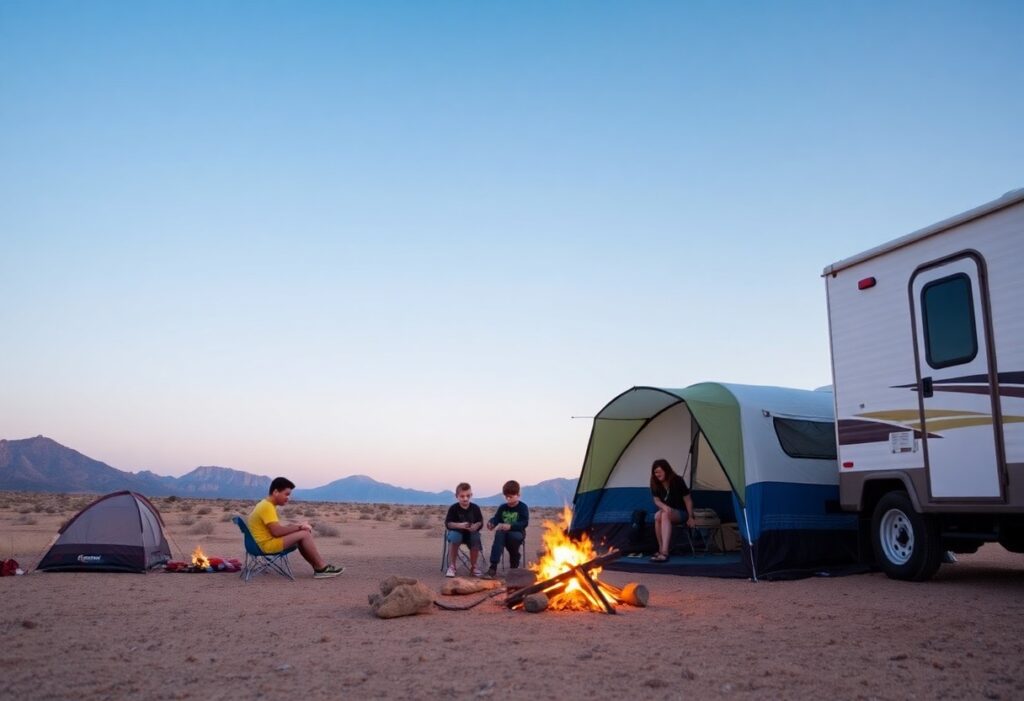
Just planning a boondocking trip on BLM land with your kids can be an adventure filled with excitement and exploration. To ensure everyone stays safe and enjoys the experience, you’ll need to prepare by understanding local regulations, and selecting appropriate sites. Equip your vehicle with imperative supplies, and teach your children about environmental safety practices. With the right preparation and knowledge, you can create lasting memories while fostering a deep appreciation for the great outdoors.
Key Takeaways:
- Prioritize safety by ensuring kids are aware of their surroundings and have access to safety gear.
- Choose a family-friendly location on BLM land that offers features like shade, water sources, and distance from high-traffic areas.
- Plan engaging activities and establish a routine to keep children entertained and active during the stay.
Understanding Boondocking
Boondocking refers to the practice of camping in remote areas without amenities or services, often on public lands such as BLM (Bureau of Land Management) territories. This type of camping allows you to immerse yourself in nature while enjoying the peace and solitude that comes from being away from established campgrounds. It encourages a self-sufficient, off-grid lifestyle that is especially appealing for adventurous families seeking a unique outdoor experience.
What is Boondocking?
Simply put, boondocking involves camping in locations that are off the beaten path, typically without direct access to water, electricity, or restrooms. You might park your RV or set up a tent in scenic areas that allow you to explore the beauty of the outdoors. It’s all about finding a spot in nature that offers both adventure and tranquility.
Benefits of Boondocking on BLM Land
Boondocking on BLM land provides numerous advantages, including affordability, freedom to explore, and access to breathtaking landscapes. These lands often feature ample space for camping, making it an ideal choice for families. You can enjoy a variety of activities such as hiking, fishing, and wildlife watching without the constraints of traditional campgrounds.
Choosing BLM land for boondocking not only saves you money-most spots are free or low-cost-but also gives you the chance to experience the vast and varying ecosystems found across the country. With over 250 million acres managed by BLM, you have countless opportunities to set up camp in stunning locations, from rugged mountains to serene deserts. This variety encourages outdoor education for your kids, allowing them to learn about the environment firsthand while enjoying activities like star gazing or nature photography. Such experiences can create lasting memories and deepen their appreciation for the natural world.
Planning Your Trip
Before heading out, plan your boondocking trip thoroughly. Research potential sites, assess the distances, and consider travel time. Utilize resources like Boondocking (Dispersed Camping) on Public Lands to identify suitable locations and prepare for your adventure. Confirm the seasonality of the sites and check weather conditions as they can greatly impact access and safety.
Selecting the Right BLM Land
Your choice of BLM land can significantly affect the success of your trip. Look for areas that are designated for family-oriented camping, minimizing risks from wildlife or difficult terrain. Accessibility is key; choose sites that are easy for kids to navigate and have ample space for exploration and play. Check for amenities and nearby attractions that engage your family.
Essential Gear and Supplies
Gathering the right gear is vital for a successful boondocking experience. Essential items include a reliable GPS, first aid kit, sufficient food and water supplies, cooking equipment, and safety gear like helmets for biking. Additionally, consider portable power sources for devices, as well as camping gear designed for comfort, such as sleeping bags and comfortable sleeping pads. It’s also wise to have tools for vehicle repairs in case of breakdowns.
When planning your gear list, ensure you include items tailored for your kids. Items like lightweight backpacks, entertaining games, and books can keep them engaged during downtime. A portable toilet solution is also a must for convenience in remote locations. Always plan for the unexpected, ensuring you have enough food, water, and safety supplies for a minimum of 72 hours beyond your expected stay. This preparation can make the difference between a fun adventure and a stressful situation.
Safety Considerations
Ensuring your family’s safety while boondocking on BLM land requires thoughtful planning and awareness of potential hazards. Familiarize yourself with the area where you’ll be camping, including wildlife encounters, unpredictable weather, and navigational challenges. Staying informed and equipped can prevent situations from escalating and ensure everyone enjoys a safe outdoor experience.
Assessing Your Family’s Readiness
Evaluating your family’s readiness for boondocking is crucial. Consider your children’s ages, abilities, and comfort levels with outdoor activities. For younger children, ensure they can stay close and follow directions. If your family is new to camping, starting with shorter trips can build confidence before venturing into more remote locations.
Health and Safety Precautions
Being prepared with health and safety precautions enhances your boondocking experience. Packing a well-stocked first-aid kit, sufficient water, and non-perishable food ensures you’re equipped for any unexpected situations. Encourage your kids to wear appropriate clothing, use sunscreen, and stay hydrated, especially in warmer climates. Additionally, familiarize them with basic survival tips, such as staying together and knowing what to do in an emergency.
With respect to health and safety precautions, ensuring everyone understands the importance of hygiene and cleanliness is key. Teach your children to wash their hands regularly, especially before meals, and to keep food stored securely away from wildlife. Pack necessary medication and familiarize yourself with the nearest medical facilities in case of an emergency. If your family has allergies, bring appropriate medications and avoid bringing potentially hazardous snacks, such as those containing peanuts or gluten. Preparing for these scenarios can lead to a much more enjoyable and worry-free boondocking trip.
Tips for Boondocking with Kids
Planning a successful boondocking trip with kids involves a few key strategies. Ensure you choose a kid-friendly location on BLM land by checking for nearby activities and safety features. Bring ample supplies, including food, water, and entertainment. Always put safety first by establishing clear rules and boundaries. Engage your children in nature by involving them in setting up camp or cooking meals. Prepare for changing weather conditions and ensure everyone has appropriate clothing. Knowing these tips can significantly enhance your family’s experience. For more guidance, check out How To Camp On BLM Land.
Engaging Activities for Children
Keeping kids engaged during boondocking can lead to memorable experiences. Plan activities that allow them to explore the outdoors, like scavenger hunts or nature walks. Bring along binoculars or a simple guidebook to help them identify local wildlife and plants. Set aside time for stargazing at night, encouraging them to learn about constellations. Such activities not only entertain but also foster a sense of adventure and curiosity about the world around them.
Teaching Kids About Nature and Safety
Involving children in understanding nature enhances their appreciation for the outdoors. Teach them to identify hazards like poison ivy or animal tracks, focusing on safety. Discuss the importance of staying hydrated and recognizing signs of distress in extreme weather. Equip them with tools like a compass and simple navigation skills, instilling confidence in their ability to explore responsibly. Effective education on these topics makes your boondocking experience safe and enjoyable.
Setting Up Camp
Choosing the Perfect Spot
Finding the right place to set up camp ensures a safe and enjoyable experience for you and your kids. Look for areas away from potential hazards like cliffs, fast-moving water, or unstable ground. Ideally, choose a site with natural windbreaks, ample shade, and access to water sources for cooking and cleaning. Check the terrain for soft ground to pitch tents comfortably, and ensure the area is free from toxic plants like poison ivy.
Setting Up Safe and Comfortable Living Spaces
Create a welcoming environment by organizing your camp efficiently and prioritizing safety. Position your tent away from any potential hazards, ensuring it’s set up on level ground. Establish a cooking area that is at least 10 feet away from sleeping spaces to minimize fire risk and avoid attracting wildlife. Designate a spot for storing food and trash securely using bear-proof containers or high-placed storage to keep your area clean and protected.
Utilizing a tarp can provide extra protection from rain and sun, making your camp more comfortable. Set up a cozy seating area with portable chairs, and consider bringing along an easy-to-assemble canopy for shade. Keep a first aid kit readily accessible and ensure your children know where it is stored. Establish boundaries around your camp area, using gear or markers, so kids can play safely while remaining in sight. These strategies will help deepen your camping experience while maintaining a safe environment for all.
Leave No Trace Principles
Practicing Leave No Trace principles while boondocking ensures you protect the beautiful landscapes of Camping on Public Lands. These guidelines advocate for minimizing your impact and maintaining the pristine nature of your surroundings, allowing future generations to enjoy these spaces as well.
Importance of Environmental Responsibility
Being environmentally responsible goes beyond personal enjoyment; it’s about safeguarding the ecosystems that thrive in BLM areas. You instill in your children the values of conservation and respect for nature. By practicing these principles, you ensure that wildlife habitats are preserved and that the land remains accessible for everyone.
How to Properly Dispose of Waste
Proper waste disposal is vital in minimizing your environmental footprint during your boondocking adventure. Always pack out what you pack in, including trash, leftover food, and personal items. Establishing a designated waste bag for trash ensures that nothing is left behind, keeping the campsite clean for the next visitors.
Utilizing biodegradable bags for food waste is a good practice, but it’s critical to take all waste back to designated disposal areas. If restroom facilities are unavailable, dig a hole 6-8 inches deep, at least 200 feet away from water sources and trails, to bury human waste. Educating your kids about proper waste disposal fosters awareness and encourages environmentally friendly habits that will last a lifetime.
Summing up
As you plan your boondocking adventure on BLM land with your kids, prioritize safety and preparation. Equip yourself with knowledge about your destination, pack imperative supplies, and ensure your family understands the surrounding environment. Familiarize your children with outdoor safety practices, establish clear boundaries, and encourage them to explore while remaining vigilant. With proper planning and awareness, you can create memorable experiences that combine fun with responsibility, allowing you to enjoy the beauty of nature without compromising safety.