
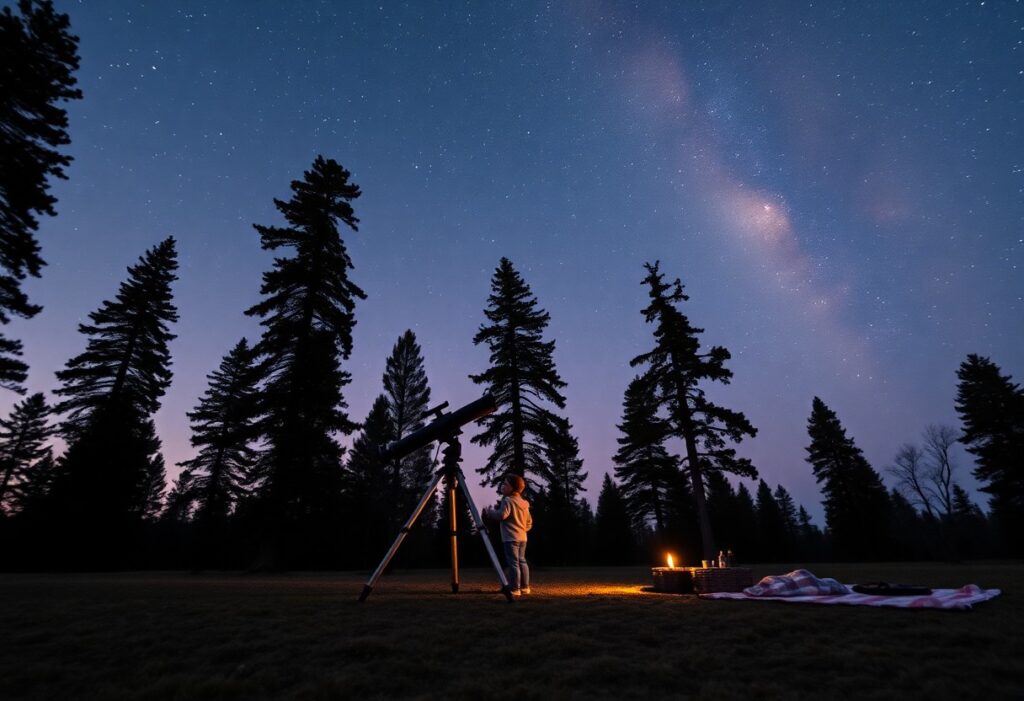
This guide will help you navigate the process of discovering the best Dark Sky parks for unforgettable family stargazing adventures. You’ll learn how to assess light pollution levels, explore park amenities, and choose locations with the best celestial views. By following these tips, you can create magical nights under the stars, fostering a love for astronomy in your children while ensuring their safety and enjoyment during your outings.
Parks offer some of the most breathtaking opportunities for stargazing, especially when you seek out “Dark Sky” parks renowned for their minimal light pollution. To ensure a rewarding experience, you need to consider several factors such as accessibility, amenities, and local regulations. Researching these aspects will help you select the perfect destination for your family’s celestial exploration. With the right information, you can create unforgettable memories under the starry skies that your loved ones will cherish for years to come.
Key Takeaways:
- Research locations designated as International Dark Sky Parks, which prioritize minimal light pollution for optimal stargazing.
- Consider amenities and accessibility for families, such as camping options, viewing areas, and educational programs.
- Check local weather patterns and seasonal events to enhance the stargazing experience and promote visibility of celestial phenomena.
Key Takeaways:
- Research the park’s light pollution levels to ensure optimal stargazing conditions.
- Check for family-friendly amenities and activities offered at the park.
- Consider the timing of your visit, ensuring it aligns with nighttime celestial events for better experiences.
Understanding Dark Sky Parks
Dark Sky Parks serve as sanctuaries for stargazers, prioritizing the preservation of natural night skies by reducing light pollution. These locations not only offer stunning celestial views but also promote conservation and environmental education. Designated by the International Dark-Sky Association, they provide a retreat from urban light distractions, allowing visitors to experience the wonders of the universe in their purest form.
What Defines a Dark Sky Park
A Dark Sky Park is characterized by low levels of artificial light pollution, ensuring that the night sky remains vibrant and visible. To achieve this designation, parks undergo strict evaluations based on their lighting management practices, natural surroundings, and the quality of the night sky. A standard measure used is the Bortle Scale, which categorizes light pollution levels to reflect the darkness of the sky.
Benefits of Stargazing in Dark Sky Parks
Stargazing in Dark Sky Parks offers numerous benefits, from unparalleled views of celestial bodies to positive impacts on mental well-being. The lack of artificial light enhances visibility of stars, planets, and even the Milky Way, allowing you to connect deeply with the cosmos. Furthermore, spending time in nature and observing the night sky can significantly boost your mood and reduce stress, fostering a sense of tranquility and wonder.
Stargazing in these parks significantly enhances your experience with astronomy. For instance, studies indicate that being in a natural environment can elevate your creativity and boost your overall happiness levels. The tranquility of a Dark Sky Park, combined with the beauty of a clear night sky, allows you to escape daily distractions, making it a perfect family bonding activity. You can view not only stars but also meteor showers, planets, and even galaxies, enriching your appreciation for the universe and fostering curiosity in children about science and exploration.
Understanding Dark Sky Parks
Dark Sky Parks are protected areas that offer an optimal environment for stargazing by minimizing artificial light pollution. These parks are specifically designated to preserve the night sky’s natural darkness, allowing you and your family to experience the cosmos in all its glory. Many of these parks provide facilities for education and awareness, ensuring visitors can engage with astronomy and appreciate the wonders above.
What is a Dark Sky Park?
A Dark Sky Park is a location recognized for its exceptional quality of starry nights and nocturnal environments, offering outstanding opportunities for astronomical observation. These areas are managed to reduce light pollution from urban sources, providing family-friendly environments where you can enjoy the night sky without interference from artificial lights.
Importance of Light Pollution Awareness
Being aware of light pollution is crucial in protecting our natural night skies. By understanding its impact on both the environment and human health, you can actively contribute to initiatives that strive to reduce it. Light pollution affects wildlife behavior, interferes with ecosystems, and disrupts our connection to nature, as well as inhibiting your ability to observe celestial events.
Studies indicate that light pollution not only diminishes your stargazing experience but also poses risks to nocturnal wildlife, disrupting their natural habits. For instance, migratory birds rely on natural light cues for navigation, which can be confused by artificial lights. By advocating for reduced light pollution in your community, you aid in preserving these ecological connections, while enhancing your own family’s enjoyment of starry nights. Participating in local astronomy events and supporting dark sky initiatives enhances your stargazing adventures and fosters a deeper appreciation for the universe.
Key Factors to Consider
Choosing the right dark sky park for your family stargazing adventure involves several key factors that can enhance your experience. Consider the following aspects:
- Location – Proximity matters for ease of access.
- Light Pollution – Areas with minimal artificial light are best.
- Facilities – Check for amenities like restrooms and picnic areas.
- Programs – Look for parks that offer guided stargazing events.
- Safety – Ensure the area is secure for your family.
Thou should take these factors into account to ensure an enjoyable adventure.
Location and Accessibility
Your chosen park should be easily accessible by car, with nearby accommodations if you plan to stay overnight. Opt for parks located in areas with little urban development, as these will provide the clearest views of the night sky. Regions renowned for high visibility can often be reached within a few hours of major cities, making them ideal for family trips.
Weather Conditions and Climate
Understanding the local weather patterns is necessary for a successful stargazing outing. Different regions may have various seasons of clear skies, so check historical weather data. Ideal conditions typically feature low humidity and minimal cloud cover, increasing the likelihood of an unobstructed view of the stars.
For example, locations in the high desert tend to offer more stable and clear conditions than coastal regions, which might experience fog. Summer months usually allow for milder evenings, while winter can bring deeper clarity but harsher temperatures. Monitoring forecasts ahead of your trip can help prepare you for potential weather changes, ensuring your family can fully enjoy the stargazing experience without interruptions.
How to Choose the Right Dark Sky Park
Selecting the ideal Dark Sky Park for your family stargazing adventure involves assessing various factors that meet your needs. Explore options based on An RVer’s Guide to Stargazing – THOR Industries to find parks that offer an enriching experience while enjoying the wonders of the universe.
Consider Geographic Location
Your choice of Dark Sky Park should factor in geographic location to minimize light pollution and maximize visibility. Parks situated away from urban centers will typically provide clearer views of celestial bodies. Ideal locations often include mountainous or remote areas, where natural landscapes further enhance your stargazing experience.
Evaluate Accessibility and Amenities
Accessibility and available amenities significantly impact your family’s overall experience at a Dark Sky Park. Look for parks that provide easy road access, ample parking, and nearby facilities like restrooms or picnic areas. Amenities like star guides or telescopes can also enrich your adventure, making it more convenient and enjoyable.
When evaluating accessibility, consider the routes leading to the park. Some may require off-road travel or involve unpaved paths, which can be challenging for families with young children. Amenities play a vital role as well; parks with educational programs or visitor centers can provide necessary resources, enhancing your stargazing knowledge. Additionally, safe viewing areas with seating arrangements can make the experience comfortable for everyone, allowing you to focus on the splendor of the night sky.
Essential Tips for Family Stargazing
To make the most of your family stargazing adventures, it’s important to plan adequately. Choose a dark sky park known for low light pollution, and check weather forecasts for clear skies. Arrive early to familiarize yourselves with the area and avoid the crowd. Bring along snacks and drinks to keep everyone energized, and dress in layers to stay comfortable as temperatures drop at night. Also, locate nearby restrooms for convenience. Any stargazing session can become a fantastic memory with the right preparations.
- Plan ahead for optimal stargazing
- Check weather forecasts for clear skies
- Bring snacks and drinks for energy
- Dress in layers for comfort
- Arrive early to avoid crowds
- Find restrooms for convenience
Best Times for Stargazing
The best times for stargazing typically fall between dusk and dawn, sparking the most brilliant views of the night sky. Aim for nights when the moon is new or waxing; this minimizes its brightness. Timing your visit in the middle of the week can also help you avoid larger weekend crowds, enhancing your experience. Any stargazing session conducted during these periods ensures your family enjoys a spectacular sky filled with stars, planets, and constellations.
Equipment and Preparation
Preparation and equipment are vital for successful stargazing adventures. Invest in a good quality telescope or pair of binoculars for closer views of celestial objects. A smartphone app can help you identify constellations and planets, enhancing the learning experience for kids. Bring a blanket or reclining chairs for comfortable seating. Additionally, including a star chart can assist in recognizing different star patterns. Any investment in the right gear not only boosts enjoyment but also enriches educational opportunities for your family.
When packing equipment, prioritize items that enhance both comfort and visibility. A red flashlight is important to preserve night vision while navigating, and layered clothing keeps everyone warm as temperatures drop. Consider taking along an insulated thermos with hot chocolate or cider to keep spirits high. Educational materials, such as books about astronomy, can also ignite curiosity in younger family members. Any thoughtful inclusion of these tools will ensure your family enjoys a fulfilling stargazing adventure together.
Tips for Planning Your Stargazing Adventure
To ensure an unforgettable family stargazing experience, it’s necessary to plan effectively. Identify a suitable dark sky park close to your location, taking travel time into account. Check weather conditions as clear skies are vital for visibility. Bring along food and drinks for a comfortable outing, and use apps or star charts for navigation. Lastly, consider joining a local astronomy group to enhance your adventure with expert insights. Recognizing these elements will elevate your stargazing experience.
Best Times of Year for Stargazing
Stargazing is best during periods when the moon phase is minimal, typically around new moons. Late spring through early fall offers stunning views due to warmer temperatures and less atmospheric disturbance. During these months, meteor showers like the Perseids provide spectacular views. Choosing these times will enhance the quality of your observations and provide more enjoyable family outings.
Essential Gear and Preparation
To maximize your stargazing experience, gather the right gear beforehand. Binoculars or telescopes sharpen your view of celestial bodies, while layered clothing ensures comfort against the night chill. Bring a blanket for seating and a red flashlight to preserve your night vision. A comfortable sleeping bag is ideal for lying back and embracing the cosmos. A journal can help document your sightings and insights.
When preparing, consider downloading stargazing apps that identify constellations, planets, and celestial events as they occur. These tools can enhance your understanding and engagement during the adventure. Additionally, a thermos of hot chocolate or tea can make evenings more enjoyable. Having a plan and taking the right gear ultimately enriches the stargazing experience, making it both educational and memorable for you and your family.
Activities for Families at Dark Sky Parks
Each dark sky park offers a variety of activities that cater to families, ensuring an engaging and memorable visit. From scenic hikes to interactive exhibits, these locations provide opportunities for everyone to enjoy the beauty of the night sky and the wonders of nature. Families can bond over shared experiences, such as observing meteor showers, participating in constellation mapping, and enjoying night-time photography sessions, making the most of their stargazing adventure.
Guided Programs and Events
Participating in guided programs enhances your stargazing experience significantly. Many parks offer regular night sky programs, led by knowledgeable guides who provide insights about celestial bodies and their movements. Events often include telescope viewing sessions, where you can catch glimpses of planets, nebulae, and star clusters, allowing your family to connect with the universe in a profound way.
Educational Opportunities
Dark sky parks serve as excellent venues for educational opportunities. Many parks host workshops and classes designed to teach visitors about astronomy and the science behind stargazing. These programs often cater to different age groups, ensuring that both children and adults gain valuable insights into the night sky, enhancing your family’s overall understanding and appreciation of the universe.
Exploring educational opportunities at dark sky parks can greatly enrich your family’s experience. Workshops may cover topics such as the phases of the moon, star recognition, and even astrophotography techniques. Many parks also collaborate with local universities or astronomy clubs, providing access to expert-led sessions and interactive exhibits. Engaging in these activities allows you to deepen your connection with astronomy, fostering a love for science and exploration that can last a lifetime.
Factors Affecting Stargazing Experience
When planning your stargazing adventure, several factors will significantly influence your experience. These include light pollution levels, altitude, weather conditions, and moon phases, all of which can impact visibility. Opt for parks with low light pollution, high elevation, and clear skies to enhance your view of celestial wonders. For guidance on incredible locations, refer to 10 Dark-Sky Adventures in North Carolina. Perceiving the vastness of the night sky enhances the adventure, creating lasting family memories.
Weather Conditions
Weather plays a pivotal role in your stargazing experience. Clear skies are necessary, as clouds can obstruct your view of stars and planets. Cold temperatures can also affect comfort, so dress appropriately for the forecasted conditions. Wind can disturb the stability of telescope setups and make outdoor activities less enjoyable. Aim for nights with minimal humidity and breezes to ensure an optimal experience.
Moon Phases and Light Levels
The moon’s phases significantly impact stargazing quality. A full moon emits substantial light that can outshine celestial bodies, while a new moon offers dark skies, perfect for viewing faint stars and galaxies. Scheduling your stargazing around the new moon will maximize your experience by minimizing light interference, allowing for clearer visibility of celestial features.
Understanding moon phases is fundamental to your stargazing plans. During a full moon, the brightness can wash out fainter stars and diminish the overall stargazing experience. Contrastingly, new moons create optimal conditions, revealing more stars and deep-sky objects. Tracking moon cycles can help you select the best nights for observing specific constellations or celestial events, enhancing your family astronomy adventure.
Resources for Finding Dark Sky Parks
To uncover the best dark sky parks for your family, several resources can guide your search. Explore the 13 Darkest Skies in the U.S. for Stargazing that highlights key locations renowned for their starlit vistas and educational programs.
Online Tools and Apps
Utilize various online tools and mobile apps designed for stargazers. Services like Dark Sky Finder and Clear Outside provide maps indicating light pollution levels, ensuring you choose a site with minimal interference for optimal viewing. Additionally, stargazing apps can help identify constellations and planets visible in your chosen location.
Community Recommendations
Your fellow stargazers can be an invaluable resource. Engaging with local astronomy clubs, social media groups, and online forums allows you to tap into collective experiences, helping you find hidden gems amidst popular destinations. These communities often share recent sightings, park reviews, and tips for families.
Community recommendations can vastly enrich your planning process. Not only can members of local clubs offer their favorite dark sky parks, but they can also provide insights about the best viewing spots within them, especially for families. Additionally, participating in organized events or star parties hosted by these groups can enhance your stargazing experience with guided observations and family-friendly activities that deepen your appreciation of the night sky.
Engaging the Family in Stargazing
Fostering a shared interest in the night sky can create lasting memories for your family. Involve everyone by hosting themed nights, where each member can choose a star or constellation to research and present. Consider bringing along a portable telescope to enhance your view, while utilizing resources such as An RVer’s Guide to Stargazing – THOR Industries for practical tips and inspiration.
Educational Activities for Kids
Planning interactive activities can deepen your children’s understanding of astronomy. Create a scavenger hunt for celestial objects or use storytelling to explain the myths behind constellations. Incorporating fun facts and hands-on experiments can ignite their curiosity and encourage questions, making stargazing not just an outing, but a fun learning experience.
Family-Friendly Stargazing Apps
Utilizing technology can greatly enhance your stargazing adventure. Apps like SkyView and Star Walk allow you to identify stars, planets, and constellations by simply pointing your device at the night sky. These tools often feature educational content, integrating fun facts and challenges to make your experience more engaging.
While you can explore numerous stargazing apps, opting for those that offer augmented reality features significantly enriches your experience. They provide a real-time view of celestial surroundings, improving your navigation through the universe. Many apps also track celestial events, helping you plan visits during meteor showers or eclipses, maximizing your family adventure in the cosmos.
Safety and Etiquette in Dark Sky Parks
While exploring dark sky parks, prioritize safety and etiquette to ensure an enjoyable experience for everyone. Always adhere to park rules, maintain quiet conversations, and use red light to preserve night vision. Avoid shining bright flashlights directly at stargazers, and be aware of your surroundings. For more insights, check out the 6 best dark sky parks in the western U.S. for families.
Protecting the Natural Environment
To protect the delicate ecosystems of dark sky parks, it’s vital that you adhere to the Leave No Trace principles. Avoid disturbing wildlife, stay on marked trails, and remove any trash you create. This respect for nature not only enhances your stargazing experience but also preserves the beauty of these parks for future visitors.
Respecting Other Stargazers
Your behavior impacts fellow stargazers. Keeping noise to a minimum, avoiding bright devices, and respecting personal space are fundamental. Monitor your children closely as their natural excitement might disrupt others’ experiences. By being considerate, you help cultivate a shared atmosphere of enjoyment under the stars.
When stargazing, observing the etiquette of respecting others is necessary for a harmonious experience. If someone is trying to set up their telescope, allow them to do so without interruption. Conversations should remain hushed as to not disturb those focused on the sky. If you need to use a light source, opt for a red filter or a headlamp to minimize disruption. Your attention to these details fosters a respectful environment where everyone can appreciate the awe of the universe together.
Safety and Etiquette in Dark Sky Parks
Prioritizing safety and etiquette in dark sky parks enhances your family’s stargazing experience. Always stay close to your group to avoid getting lost in the dark and use red flashlights to preserve night vision. For detailed guidelines on dark sky parks, check the 6 best dark sky parks in the western U.S. for families.
Respecting Nature and Wildlife
Preserving the natural environment is vital when visiting dark sky parks. Stay on designated trails to prevent damaging local flora and avoid disturbing wildlife. Animals are more active at night, and remaining quiet and respectful ensures you don’t disrupt their habitat while enhancing your own experience under the stars.
Stargazing Conduct Guidelines
To maintain a peaceful atmosphere, adhere to specific stargazing conduct guidelines. Keep noise levels low to avoid disturbing other stargazers and limit the use of bright white lights that can ruin everyone’s night vision. Ensure cell phones are silenced, and if you need to communicate with your group, do so in hushed tones.
Conclusion
Upon reflecting on your journey to find the best “Dark Sky” parks for family stargazing adventures, you should prioritize locations that minimize light pollution, offer educational programs, and provide accessible amenities. Consider factors such as time of year and weather conditions to enhance your experience. By selecting parks that align with these criteria, you ensure memorable nights under the stars, fostering a love of astronomy in your family for years to come.
Summing up
Ultimately, finding the best “Dark Sky” parks for your family stargazing adventures involves thorough research and thoughtful planning. Focus on locations that prioritize low light pollution, offer educational programs, and ensure safe environments for your loved ones. Utilize reputable online resources and apps to pinpoint these parks, and consider visiting during peak celestial events for a more memorable experience. By taking these steps, you can create unforgettable nights under the stars that inspire wonder and curiosity in your family.