
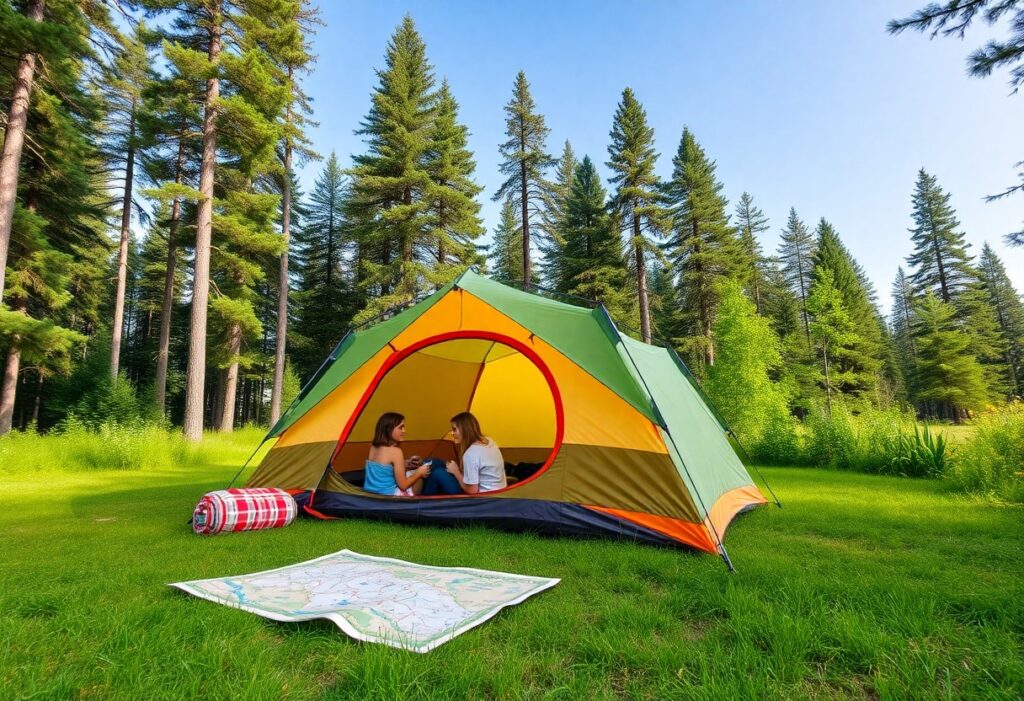
Many families seek unforgettable bonding experiences in nature, and camping in national and state parks offers a perfect escape. To ensure a safe and enjoyable adventure, you’ll need to plan activities that cater to all ages, maintain a flexible schedule, and be prepared for unexpected weather changes. By selecting kid-friendly trails, engaging in fun campfire activities, and prioritizing safety, you can create lasting memories while exploring the great outdoors together.
Camping can be an enriching experience for families when done right. By choosing the right parks, ensuring safety measures, and planning engaging activities, you can create lasting memories with your children. Prioritize family-oriented amenities and consider wildlife safety to foster a positive environment. This guide will equip you with vital tips to make your camping adventures enjoyable and stress-free, ensuring everyone in your family has a great time reconnecting with nature.
Key Takeaways:
- Choose campgrounds with amenities such as restrooms, picnic areas, and family activities for an enjoyable experience.
- Plan age-appropriate activities that keep children engaged, such as nature scavenger hunts or guided ranger programs.
- Pack necessary safety and comfort items, including first-aid kits, insect repellent, and comfortable sleeping gear.
Key Takeaways:
- Select campgrounds that offer family-oriented amenities and activities, such as hiking trails, fishing spots, and educational programs.
- Plan meals and snacks ahead of time, incorporating simple, kid-friendly recipes that can be easily prepared outdoors.
- Engage children in the camping experience by assigning them age-appropriate tasks, encouraging them to explore nature, and fostering teamwork.
How to Choose the Right National or State Park
Considering amenities is vital when selecting a park. Evaluate facilities such as restrooms, picnic areas, and play zones that cater to your family’s needs. Parks with well-maintained trails and visitor centers often offer engaging programs for children, enhancing your camping adventure. Check online reviews or park websites for the latest information on these amenities to ensure a comfortable experience.
Assessing Park Amenities for Families
Explore parks that provide amenities tailored for families, including camping cabins, child-friendly trails, and organized activities. Facilities like swimming areas or junior ranger programs can significantly elevate the enjoyment for younger campers. Prioritize parks that feature interactive exhibits or educational workshops, ensuring that your kids stay engaged and learn about nature.
Evaluating Accessibility and Safety Features
Assessing accessibility and safety is vital for family trips. Look for parks with accessible trails and facilities that accommodate strollers and wheelchairs. Pay attention to safety features such as lifeguards at swimming areas, clearly marked trails, and emergency services nearby. Choosing parks with robust safety measures helps ensure your family can explore without undue worry.
Furthermore, consult park maps and resources to understand specific safety protocols, such as wildlife awareness programs or emergency contact points. Verifying the availability of first-aid stations and well-defined evacuation routes adds layers of security to your camping experience. In addition, check if the park has organized ranger programs focused on safety, which can equip your family with knowledge crucial for enjoying nature responsibly while minimizing risks. Investing time in understanding these features can profoundly impact the overall enjoyment and comfort of your camping adventure.
How-To Select the Perfect National or State Park
Selecting the right national or state park can significantly enhance your family’s camping experience. Look for parks that align with your family’s interests and needs to maximize enjoyment and relaxation. Consider factors like accessibility, your family’s activity level, and available facilities to ensure a memorable trip.
Factors to Consider: Location, Amenities, and Activities
When choosing a park, evaluate the location for travel convenience, the available amenities such as restrooms and picnic areas, and the range of activities offered from hiking to educational programs. Knowing these aspects can ensure your family has everything needed for a fun and stress-free adventure.
- Geographical proximity to home
- Essential amenities for families
- Variety of activities based on interests
Tips for Finding Family-Friendly Parks
To pinpoint parks that cater to families, utilize resources like park websites, social media, and reviews from fellow campers. Search specifically for family-friendly features, including safety measures, kid-centric programs, and accessible trails. The right information can help your family create lasting memories in a safe environment.
- Online reviews from other families
- Social media for photos and updates
- Local ranger stations for expert advice
Explore dedicated family camping resources and websites, which often highlight family-friendly parks with features like educational ranger programs, kid-friendly trails, and nearby attractions. In addition, check park calendars for special events that may coincide with your visit. The knowledge gained will help you choose a park that aligns with your family’s preferences and ensures an enjoyable experience in nature.
- Available educational programs
- Kid-friendly trails and attractions
- Seasonal events and activities
Tips for Planning a Family Camping Trip
Planning a family camping trip requires attention to detail to ensure a fun and safe experience for everyone. Start by selecting a family-friendly destination, factoring in travel time and distance. Create a checklist to include camping gear, food, and activities suitable for all ages. Confirm campsite reservations in advance and check for amenities like restrooms and running water. Involve your children in the planning process to make it more engaging. Any trip planned with consideration will enhance your family’s enjoyment and adventure.
Creating an Itinerary that Engages All Ages
Crafting an itinerary that includes activities for every family member fosters togetherness and fun. Balance outdoor adventures such as hiking and biking with downtime for relaxation or games. Incorporate short, educational programs offered by park rangers, which can captivate both young and older audiences, ensuring everyone finds something enjoyable. Be flexible; adjusting plans based on your family’s energy levels keeps the experience light and enjoyable.
Packing Essentials for a Family-Friendly Experience
To ensure a smooth camping experience, pack vitals that cater to your family’s needs. Bring enough tent space for everyone, reliable sleeping bags rated for the temperatures you’ll encounter, and a first aid kit for minor injuries. Don’t forget a portable grill, easy-to-prepare meals, and plenty of snacks for energy boosts. Additionally, consider packing outdoor games or a fishing rod to enhance your recreational options. Sufficient planning in your packing list guarantees comfort and enjoyment.
In terms of packing vitals, prioritize items that improve your family’s camping comfort and fun. Double-check that your sleeping gear is adequate for the conditions, ensuring everyone stays warm and rested. Bring ample hydration options like refillable water bottles to keep everyone hydrated, especially during hikes. Include some sunscreen and bug spray for protection against the elements. Include entertainment options such as books or cards for quiet evenings. Preparing thoughtfully makes all the difference in your family’s overall camping satisfaction.
How-To Plan Your Camping Trip
Planning your camping trip involves several strategic steps to ensure a fun and organized experience. Begin by assessing your family’s interests and needs, selecting a location that aligns with the activities you wish to enjoy. Utilize resources like How to Plan a Camping Trip with Kids: Turning Wilderness … for tips that cater specifically to families. After establishing your destination, you can move on to logistical details.
Factors for Choosing the Right Time of Year
The timing of your camping trip can significantly impact your experience. Consider weather patterns, holiday seasons, and campground availability. Popular parks may be crowded during peak seasons, whereas off-peak times could offer solitude. Additionally, evaluate your family’s schedules and local school holidays to synchronize your plans easily. After determining the best time, you can start planning your itinerary.
- weather patterns
- holiday seasons
- campground availability
Tips for Making Reservations and Itinerary Planning
Securing reservations early is vital, especially during peak seasons. Make use of online platforms for booking campsites and consider flexibility in your dates to increase options. Craft a detailed itinerary that includes travel times, meals, and activities to keep everyone engaged. Don’t forget to include backup plans for weather changes or unforeseen circumstances. After confirming your reservations, it’s time to pack.
- booking campsites
- itinerary
- backup plans
In addition to making reservations, consider including activities for all family members, from kids to adults. Plan mealtimes and incorporate family games or hikes into your schedule for shared enjoyment. Familiarize yourself with the park’s specific amenities and rules to optimize your experience. After you finalize your plans, ensure that everyone is prepared for the adventure ahead.
- mealtimes
- family games
- park amenities
How to Involve Kids in Camping Activities
Engaging kids in camping activities not only makes the experience more enjoyable but also cultivates a love for nature. Involve them in planning by using resources like Plan for going to all 63 National Parks as a family with… to choose destinations and activities suited to their interests.
Fun Outdoor Games for the Whole Family
Incorporate outdoor games like scavenger hunts, frisbee, or capture the flag to foster teamwork and bonding. Create a nature-themed scavenger hunt by listing items such as pine cones, specific leaves, or animal tracks. This interactive play keeps everyone engaged while exploring the wilderness.
Educational Experiences in Nature
Turn camping into an educational adventure by introducing your children to the wonders of nature. You can teach them about local flora and fauna through guided walks, where they can learn to identify plants and animals. Consider incorporating hands-on activities, such as stargazing or understanding ecosystems, to deepen their appreciation of the environment.
Educational experiences enhance your kids’ connection to nature. Organize nature journaling sessions where they can document observations, drawings, and reflections on their surroundings. Explore resources like park visitor centers that offer programs and guided excursions tailored for families, enriching your outdoor experience with knowledge and fun.
How-To Prepare for Camping with Kids
Effective preparation for camping with kids ensures a more enjoyable experience for everyone. Start by planning ahead, considering both logistics and vitals. For valuable insights, check out How to Plan a Seamless Family Camping Trip. A detailed list of items can help streamline your packing process and reduce last-minute stress.
Factors Involved in Packing Essentials
When packing for a camping trip, consider the following vital factors:
- Clothing: Pack weather-appropriate and layered clothing.
- Food: Bring easy-to-prepare meals and snacks.
- Gear: Ensure tents, sleeping bags, and cooking equipment are included.
- Safety items: Include first-aid kits and insect repellent.
Assume that by planning your gear ahead, you will avoid unnecessary issues during your trip.
Tips for Involving Kids in Preparation
Involving kids in the preparation process makes them feel more invested in the camping adventure. Assign age-appropriate tasks, such as packing their clothing or choosing fun snacks. This also fosters teamwork and excitement for the trip ahead.
- Let them choose: Let kids pick a few items to take.
- Give responsibility: Assign tasks like packing sleeping bags.
- Involve in planning meals: Have them select their favorite camping recipes.
Recognizing the importance of their input not only enhances their enthusiasm but also teaches them valuable life skills.
Further engagement can be achieved by discussing the camping itinerary and allowing kids to contribute ideas about activities. This inclusion can transform their anticipation into active participation, making the trip even more special.
- Discuss the itinerary: Share activities and let them contribute.
- Cultural elements: Introduce state or national park facts.
- Plan group games: Brainstorm fun activities for downtime.
Recognizing that kids thrive on involvement prepares them for an active role in the camping experience.
Tips for Cooking and Meal Preparation
Efficient meal preparation can elevate your camping experience, making it both enjoyable and stress-free. Plan your meals ahead of time, categorize them by type, and balance quick meals with more elaborate cooking sessions. Invest in durable cooking gear and don’t forget imperative ingredients for easy cleanup. Bringing along pre-prepped ingredients will save you time, while meal kits can simplify logistics. Thou can create lasting family memories by involving everyone in the cooking process.
Easy and Kid-Friendly Campfire Recipes
Simple campfire recipes can engage kids while delighting their taste buds. Consider pizzas wrapped in foil and cooked over the fire or banana boats made by stuffing bananas with chocolate and marshmallows. These recipes are not only fun to make but also allow kids to customize their meals, fostering creativity. Involving children in meal prep will boost their confidence and create shared joy.
Safety Tips for Cooking While Camping
Prioritizing safety while cooking outdoors is imperative. Always set up your cooking station away from tents and flammable materials. Keep a fire extinguisher and first aid kit handy, and instruct kids on hot zone awareness around the fire. Finally, ensure all cooking equipment is stable and keep food at safe temperatures to prevent spoilage. Assume that vigilance is key for a safe cooking experience.
- Use a designated cooking area.
- Check equipment for stability.
- Ensure flames are contained and not too high.
- Teach fire safety to children.
- Maintain hygiene with food handling guidelines.
- Store food securely to avoid wildlife encounters.
- Always supervise kids around heat sources.
- Have a plan for emergency situations.
- Keep cooking tools and supplies organized.
- Engage everyone in cooking tasks.
- Assume that being prepared enhances safety.
When cooking while camping, consider additional layers of safety to enrich your experience. Ensure that the cooking area is well-lit and clean, as this minimizes accidents while preparing meals. Familiarize your family with camp-specific fire regulations, as this varies by park. Always cool down cooking tools before storage to prevent damages. To elevate safekeeping, utilize heavy-duty containers for storing food, safeguarding against wildlife interactions. Assume that consistent communication about safety measures helps maintain a secure atmosphere for the entire family.
- Check for local camping regulations.
- Establish designated roles for each family member.
- Incorporate fire safety drills into your plan.
- Utilize proper utensils to avoid contamination.
- Engage in first aid training for emergencies.
- Install a routine for clean-up after cooking.
- Stay updated on weather conditions.
- Always hydrate and have first aid supplies accessible.
- Assume that vigilance leads to a safer camping experience.
How-To Set Up Camp Efficiently
Setting up camp efficiently can transform your outdoor experience. Firstly, gather your family to establish a clear plan on where each item goes while ensuring safety and convenience. Prioritize setting up the tent and designated cooking area before unpacking the rest of your gear, making sure to select a flat, dry surface that minimizes discomfort.
Factors for Choosing the Right Campsite
Choosing the right campsite can significantly impact your family’s enjoyment. Look for flat, stable ground away from water sources and dead trees. Assess proximity to trails, restrooms, and your travel itinerary to enhance convenience.
- Flat ground for comfort
- Away from hazards like dead trees
- Proximity to facilities for convenience
Assume that investing time in selecting the campsite will pay off when you’re enjoying meals and activities without disturbances.
Tips for Organizing Camping Gear
Organizing your camping gear is imperative for a stress-free experience. Use labeled bins or bags to separate items like cooking supplies, clothing, and first-aid kits, ensuring everyone knows their locations. Keep frequently used items readily accessible, and maintain a checklist to prevent forgetting imperatives, allowing for seamless camping adventures.
- Labeled bins for easy access
- Checklist to prevent forgetfulness
- Accessibility for frequently used items
Thou will find that an organized setup enables quicker meal prep and a smoother daily routine, promoting overall family harmony during your adventure.
In-depth organization of your camping gear can elevate your entire experience. Consider using collapsible containers for space-saving options, and designate individual roles among family members for gear-related tasks. Devote time at the start of the trip to double-check the larger items like tents and sleeping bags to ensure nothing is damaged or missing. Consistently sorting and repacking during your stay helps make packing up significantly easier.
- Collapsible containers for saving space
- Designated roles for family efficiency
- Inspect gear before packing
Thou will appreciate the enhanced efficiency and less chaos when it comes time to settle into your campsite for a fun-filled trip.
Factors to Consider for Campfire Safety
Understanding campfire safety is vital for a successful family camping trip. Always choose a clear area away from tents and vegetation for your fire. Use established fire rings, keep a bucket of water or fire extinguisher nearby, and never leave the fire unattended. Ensure it’s completely out before leaving the site. Additionally, be aware of local conditions about fire bans during dry seasons. For more details on safe camping techniques, refer to Planning a Great Family Camping Trip. Recognizing the importance of these precautions can significantly enhance your family’s safety and enjoyment.
Understanding Fire Regulations in Parks
Each national and state park has specific fire regulations that must be adhered to. Before your trip, check for any fire bans or restrictions that may be in place due to environmental conditions. Fires may only be permitted in designated areas, and using a portable stove may be a safer alternative during drought conditions. Failing to comply with these rules can result in fines and potential hazards.
Teaching Kids About Fire Safety
Engaging your children in discussions about fire safety is a fantastic way to instill responsibility and awareness. Explain the dangers associated with fire, such as burns and wildfires. Demonstrating safe practices while involving them in the camping experience helps them understand the importance of respecting fire. Reinforce safety protocols by encouraging them to report when a fire is too close to their play area.
Further, consider interactive activities to teach them about fire safety. Create a fire safety checklist that your kids can help you enforce. Use practical examples, like showing them how to properly extinguish a campfire and explaining why it’s necessary to ensure it’s cold before leaving it unattended. This hands-on approach will make the lesson memorable and reinforce their understanding of vital safety practices while camping.
How-To Keep Everyone Entertained
Engaging family members during camping adventures is vital for ensuring everyone enjoys the experience. Explore a range of activities tailored to various age groups and interests, promoting bonding and fun. From nature hikes to evening storytelling, having a mix of options keeps spirits high and boredom at bay. This helps foster lasting memories for your family.
Factors for Choosing Activities and Adventures
Selecting appropriate activities involves considering the *age*, *interests*, and *energy levels* of all family members. Focus on *outdoor skills* when planning. Ensure the *location* offers diverse choices, including hiking trails or educational programs. This creates an inclusive atmosphere where everyone feels engaged and valued.
- age
- interests
- energy levels
- outdoor skills
- location
Tips for Family-Friendly Camp Games and Crafts
Incorporating fun games and creative crafts into your camping itinerary is necessary for keeping everyone entertained. Opt for *simple group games* that can be played outdoors, like scavenger hunts or relay races. Utilize natural materials to inspire *creative crafts*, ensuring that it’s an enjoyable learning experience. Knowing what suits your family’s preferences encourages participation.
- simple group games
- scavenger hunts
- relay races
- creative crafts
Embrace activities that utilize the environment to enhance family bonding. For example, create art with *leaves*, *rocks*, or *twigs*. Bring along easy-to-pack game equipment like a *frisbee* or *playing cards* for versatile fun. Incorporating *educational elements* into games can spark curiosity in nature and wildlife. Knowing how to adapt games for different age groups fosters cooperation and ensures enjoyment for everyone.
- leaves
- rocks
- twigs
- frisbee
- playing cards
How to Encourage Environmental Stewardship
Promoting environmental stewardship within your family can enhance camping adventures and foster a deeper appreciation for nature. Share what are fun camping activities for families? that not only entertain but also educate about conservation practices, like packing out what you pack in and respecting wildlife habitats. Engage your kids in discussions about the importance of preserving natural spaces, turning every camping trip into an opportunity for personal accountability toward the environment.
Ideas for Teaching Kids About Nature Conservation
Engaging children in nature conservation can be both fun and educational. You can start by organizing nature scavenger hunts, encouraging kids to explore and learn about local flora and fauna. Interactive activities like planting trees or creating wildlife habitats at your campsite teach responsibility and the importance of biodiversity. By presenting conservation as an adventure, you instill a sense of stewardship that lasts a lifetime.
Fun Activities that Foster a Love for the Outdoors
Incorporating fun activities into outdoor adventures can greatly enhance your family’s connection to nature. Activities like star-gazing, nature walks, or bird-watching not only provide entertainment but also encourage curiosity about the natural world. Whether you’re hiking a scenic trail or enjoying a campfire storytelling session, each experience strengthens your family’s bond with the environment.
Consider planning themed evenings around nature and exploration. For instance, you could hold a night of storytelling under the stars, sharing tales about constellations, or a scavenger hunt focusing on local wildlife. Engaging kids with crafts, like building birdhouses or creating nature journals, further enlivens their outdoor experience. Such activities not only spark curiosity but also nurture respect and a lasting love for the outdoors, necessary for fostering environmental stewardship.
How-To Ensure Safety and Comfort
Ensuring safety and comfort while camping involves planning for unexpected challenges. Prioritize your family’s well-being by packing necessary safety gear, reviewing park regulations, and being prepared for emergencies. Don’t forget to educate your family about wildlife encounters and proper food storage techniques to minimize risks. The right preparation significantly enhances your camping experience.
Factors for Weather Preparedness and Safety
Weather conditions can change rapidly in national and state parks, making it necessary to stay informed. Always check the forecast before your trip and bring appropriate gear to guard against sudden rain or temperature drops. Clothing, tarps, and sleeping bags should be suitable for diverse weather conditions. The adaptability of your gear ensures you can enjoy your adventure comfortably.
- Clothing for layering
- Tarps for waterproof coverage
- Sleeping bags rated for temperatures
Tips for Maintaining Comfort and Health Throughout the Trip
Maintaining comfort and health while camping means prioritizing hydration, nutrition, and sanitation. Carry plenty of water and keep meals balanced with fruits, vegetables, and protein sources to sustain energy. Regular hand washing and proper food handling discourage illness. Knowing these basics can transform your outdoor experience into a more enjoyable and safe adventure.
- Water for hydration
- Balanced meals for energy
- Hand washing to prevent illness
Cooking outdoors can become a creative outlet, and ensuring you have nutritious snacks and meals enhances everyone’s mood. Carrying a first-aid kit addresses minor injuries quickly, while insect repellent helps prevent uncomfortable bites. First-aid training could boost your confidence during emergencies. Knowing how to handle these situations makes your trip far more relaxed and enjoyable.
- Nutritious snacks for energy
- First-aid kit for emergencies
- Insect repellent for comfort
Final Words
Drawing together your family for camping adventures in national and state parks enriches bonds and creates lasting memories. By planning engaging activities, ensuring safety, and embracing nature’s wonders, you can craft an enjoyable experience for all ages. Invest time in selecting the right destination, preparing your gear, and involving everyone in the adventure. Engage in storytelling by the campfire, explore hiking trails, and teach your children about conservation. These efforts make your camping trips exciting, educational, and unforgettable, nurturing a lifelong appreciation for the great outdoors.
Conclusion
As a reminder, creating family-friendly camping adventures in national and state parks requires thoughtful planning and engagement. You can ensure a memorable experience by selecting suitable locations, involving your family in activity choices, and preparing for comfort and safety. Emphasizing exploration, connection with nature, and shared activities enhances the bonding experience. By applying these strategies, you equip your family with the tools to enjoy the outdoors and build lasting memories together.