
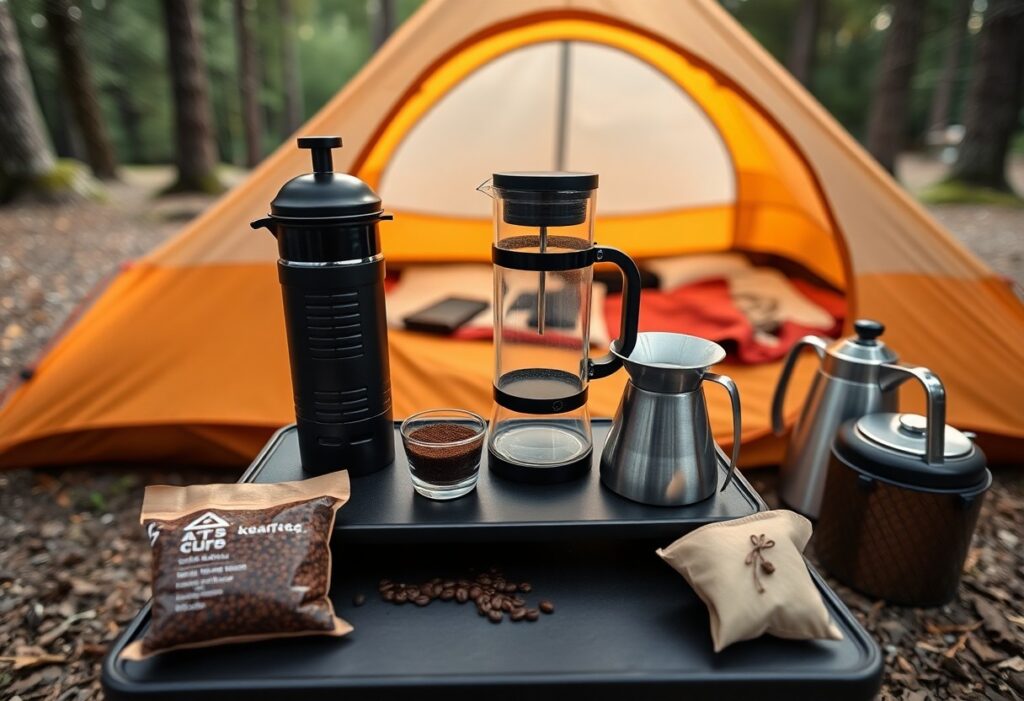
Brewing your own barista-level coffee while tent camping can elevate your outdoor experience. With tools like the AeroPress, French Press, or pour-over, you can enjoy rich and flavorful coffee even in the wilderness. Each method offers distinct benefits, ensuring that your caffeine fix is not only convenient but also delicious. This guide will help you select the right brewing technique and provide tips on achieving the perfect cup in the great outdoors.
Key Takeaways:
- Choose the right brewing method based on your taste preference and available equipment: AeroPress for espresso-like coffee, French Press for a rich body, or Pour-Over for a clean finish.
- Utilize freshly ground coffee beans for optimal flavor; bring a portable grinder if possible.
- Pay attention to water temperature and brew time to achieve the best extraction and flavor balance.
Understanding Coffee Brewing Methods
Every coffee brewing method offers unique flavors and experiences, allowing you to customize your caffeine fix even in the wild. Selecting the right technique can significantly enhance your camping coffee ritual, depending on your taste preference, the type of grounds, and convenience. Here’s a closer look at three popular methods: AeroPress, French Press, and Pour-Over.
AeroPress
AeroPress is ideal for those who appreciate a rich coffee with a smooth finish. This method uses air pressure to push hot water through coffee grounds, resulting in a concentrated flavor profile. Portable and easy to clean, it’s perfect for camping setups where space is limited.
French Press
With the French Press, you get a robust brew that showcases the coffee’s natural oil and flavor. By steeping coffee grounds in hot water before pressing them down, this method produces a full-bodied drink. It’s slightly bulkier than other options, but the payoff is well worth it for coffee enthusiasts.
The French Press allows for versatility in brewing times, which can customize the strength of your coffee. A longer steep time yields a more intense flavor, while a shorter time results in a milder brew. Ensure your grind is coarser to avoid sediment while enjoying a cup that highlights the essence of the beans, making it a popular choice among camping aficionados.
Pour-Over
Pour-Over brewing is a hands-on technique that elevates your coffee experience through precise control over water flow. This method highlights the coffee’s subtleties, resulting in a clean and aromatic cup. It requires a few more steps but is immensely rewarding for those keen on flavor nuances.
A key aspect of the Pour-Over method is the water temperature and pouring technique. Using water around 200°F and a steady, circular motion helps extract the best flavors without bitterness. It’s a great way to experiment with different grind sizes and coffee varieties while camping, giving you the chance to refine your skills in the great outdoors.
Essential Equipment and Tools
To achieve barista-level coffee while camping, you’ll need the right equipment. Essential tools include a quality coffee grinder, a kettle for heating water, and appropriate filter options tailored to your brewing method. Each component plays a significant role in enhancing flavor extraction and ensuring a smooth brew, allowing you to enjoy a premium coffee experience outdoors.
Coffee Grinder
A quality coffee grinder is non-negotiable for optimal flavor. A burr grinder is ideal, as it provides a consistent grind size, which is vital for extracting the best taste from your coffee beans. The grind size can drastically affect your brew time and flavor profile, so invest in a portable, hand-operated burr grinder to maintain precision while on the go.
Kettle
Choosing the right kettle is important for pouring control and water temperature. An efficient camping kettle should be lightweight, durable, and ideally have a spout designed for precision pouring. Look for options made from stainless steel or titanium for optimal heat retention and even boiling.
Consider a kettle with a built-in thermometer or an adjustable pour spout to regulate water temperature and flow rate, imperative for different brewing methods. Heating water to the correct temperature-typically around 195°F to 205°F-ensures that coffee flavors are fully extracted without bitterness, enhancing your overall experience.
Filter Options
Selecting the right filter can intensify the depth of your coffee. Various options include paper filters, metal filters, or even cloth filters, each providing a unique brew experience. Paper filters yield a cleaner cup, while metal filters allow more oils and fines, producing a fuller-bodied coffee.
Using paper filters in your AeroPress or pour-over method will minimize sediment and provide a crisp, smooth taste. If you’re experimenting with a French press, a metal filter is suitable for handing over more robust flavors. Always pack extra filters to ensure functionality throughout your trip, as they can be a small yet imperative detail for achieving that perfect cup of coffee while camping.
Factors Influencing Coffee Quality
Your coffee experience is shaped by several elements, each contributing to the overall flavor and satisfaction. Among these, the selection of coffee beans, quality of water, and control over brew time and temperature are key. Each factor plays a significant role, influencing taste nuances and aromatic profiles. Assume that by optimizing these aspects, you can greatly enhance the quality of your coffee while camping.
- Coffee beans selection
- Water quality
- Brew time and temperature
Coffee Bean Selection
The type of coffee beans you choose impacts flavor, aroma, and intensity. Opt for freshly roasted, whole beans for the best results. Specialty beans often offer unique flavor profiles, ranging from fruity to earthy notes. Prioritize beans with a roast date to ensure freshness, enhancing your camping coffee experience.
Water Quality
Your coffee’s taste is heavily influenced by water quality. Clean, filtered water without any impurities or strong mineral content will yield a superior cup. Avoid using tap water if its taste or smell is off; instead, choose bottled or filtered water to bring out the best in your brew.
Using filtered water ensures that you avoid undesirable flavors from contaminants commonly found in tap water. Minerals like chlorine can result in a dull taste, so a good-quality filter will enhance the extraction process of your coffee. A balanced mineral content can actually improve extraction, highlighting your chosen bean’s flavors.
Brew Time and Temperature
Pay attention to brew time and temperature as these factors directly affect extraction. Ideal brewing temperatures for most methods range between 195°F to 205°F, while brew times vary; AeroPress usually takes 30 seconds to 1 minute, French Press needs about 4 minutes, and pour-over may take 2 to 4 minutes. Adjust accordingly to your taste preference.
Brew Time and Temperature
| Brew Method | Ideal Time & Temperature |
|---|---|
| AeroPress | 30 seconds – 1 minute at 195°F – 205°F |
| French Press | 4 minutes at 195°F – 205°F |
| Pour-Over | 2 – 4 minutes at 195°F – 205°F |
Fine-tuning brew time and temperature helps unlock different flavor notes. Longer extraction might result in bitterness, while shorter may yield a sour taste. Striking the right balance allows you to customize your cup, catering to your unique palate while camping.
Step-by-Step Brewing Guide
For the ultimate camping coffee experience, follow this detailed brewing guide to create barista-worthy coffee using the AeroPress, French Press, or Pour-Over methods. Each technique offers unique characteristics, allowing you to choose based on your taste preferences and available equipment. For a comprehensive walkthrough, check out How To Make Barista Worthy Coffee While Camping.
| Brewing Method | Key Steps |
|---|---|
| AeroPress | Use fine coffee grounds, add hot water, stir, and press into your mug. |
| French Press | Coarse grounds and hot water steep together, then plunge to serve. |
| Pour-Over | Place coffee in a filter, slowly pour hot water over to extract flavor. |
AeroPress Brewing Instructions
To brew with the AeroPress, first, use about 15-20 grams of finely ground coffee. Add hot water (around 200°F) up to the recommended line. Stir briefly and let it steep for 30 seconds before pressing down the plunger steadily into your mug. This method yields a smooth, rich coffee.
French Press Brewing Instructions
The French Press requires coarsely ground coffee, with a typical ratio of one ounce of coffee to 15 ounces of water. Add your coffee and hot water, allowing it to steep for four minutes. After that, press the plunger down firmly, separating the grounds and enjoying a deep, flavorful brew.
The French Press method allows oils and fines to remain in your coffee, giving it a fuller body and depth of flavor compared to filtered methods. Alter the steeping time and coffee-to-water ratio based on your taste to find the perfect balance.
Pour-Over Brewing Instructions
For Pour-Over, use a medium grind with a coffee-to-water ratio of 1:16. Place the filter in your cone, add coffee, and slowly pour hot water in a circular motion, ensuring even saturation. This method highlights the coffee’s complexity, offering detailed flavor notes.
This method allows you to control the extraction by adjusting water flow and temperature, which can enhance the flavor profile of your brew substantially. Experiment with different grind sizes and pouring techniques to find what suits your palate best.
Tips for Perfect Camping Coffee
Achieving the ideal camping coffee involves key elements to enhance flavor and satisfaction. Key tips include using freshly ground coffee beans, maintaining optimal water temperature (around 200°F), and ensuring your equipment is clean. Experiment with brew times for different methods to perfect your cup. Additionally, for more insights, check out this Camping coffee: pour over, percolator, or French press?. Perceiving these nuances will elevate your coffee game.
Pre-Trip Coffee Preparation
Prior to your camping trip, focus on coffee preparation to streamline your mornings. Pre-grind your coffee beans into the preferred consistency for your brewing method and store them in an airtight container. Measuring out the right amount for each day ensures quick access. Consider packing portable brewing gear to maintain a compact setup without compromising on quality.
Storage and Freshness Tips
To keep your coffee beans fresh during your trip, store them in a cool, dry place away from sunlight. Utilize vacuum-sealed bags for optimal preservation. Once opened, transfer any remaining coffee into a dark container to prolong shelf life. This ensures you enjoy fresh flavor throughout your camping adventure.
- cool, dry place
- vacuum-sealed bags
- dark container
Maintaining your coffee’s freshness can significantly impact taste. Opt for smaller quantities to consume quickly, as exposure to air can degrade flavor. Consider packing additional containers for different brew methods to optimize your options for various coffee experiences while camping.
- exposure to air
- smaller quantities
- optimize options
Clean-Up Best Practices
After enjoying your camping coffee, focus on efficient clean-up to maintain your gear and campsite. Rinse your brewing equipment with hot water right away to prevent residue buildup. Use biodegradable soap for thorough cleaning, ensuring you leave no trace.
A clean workspace fosters a better brewing experience. Establish a routine to tackle your gear after each use, as residue can affect your next brew’s taste. Dirt and leftover coffee oils build up quickly, leading to a less enjoyable cup. Investing time in clean-up makes your next camping coffee session even more satisfying.
Troubleshooting Common Issues
When brewing coffee in the great outdoors, issues can arise that impact your enjoyment. Whether it’s bitterness or weakness in your brew, knowing how to troubleshoot can save your coffee experience. If you encounter problems, consider checking out this thread on What’s your preferred method for making campsite coffee? I … for insights from fellow campers.
Over-Extraction and Bitterness
Over-extraction occurs when water extracts too many compounds from the coffee grounds, resulting in a bitter taste. To mitigate this, reduce your brewing time or adjust your grind size to be coarser, allowing the flavors to remain balanced.
Under-Extraction and Weakness
Under-extraction leads to weak coffee, lacking richness and flavor. If your brew tastes sour or flat, you may need to increase brewing time or use a finer grind. Both adjustments ensure flavor compounds are fully extracted, enhancing the overall taste.
To avoid under-extraction, be attentive during brewing. Quality coffee demands specific grind sizes and brewing durations. If the water flows through too quickly, it won’t extract enough flavor. Aim for a fine grind if using methods like the AeroPress, and ensure you let the coffee steep long enough to capture the robust essence you desire.
Equipment Malfunctions
Equipment issues can spoil your coffee enjoyment quickly. Common problems include leaks, blockages, or cumbersome setups. Always check seals and connections before brewing, ensuring all parts are secure to avoid spills or ineffective brewing.
Before your trip, familiarize yourself with your chosen coffee equipment. Bring backup parts or an extra brewing method to prevent worries about potential breakdowns. A thorough pre-trip check can last for several campsites, ensuring every cup of coffee is as satisfying as your first, no matter the conditions.
Summing up
Taking this into account, you can elevate your tent camping experience by mastering the art of brewing barista-level coffee using an AeroPress, French press, or pour-over method. Each technique offers unique flavor profiles and convenience suited to your preferences and camping setup. By selecting the right equipment and following the simplified brewing steps, you ensure that your coffee not only energizes your mornings but also enhances your overall outdoor adventure. So gear up, choose your brew method, and enjoy exquisite coffee in the great outdoors.