
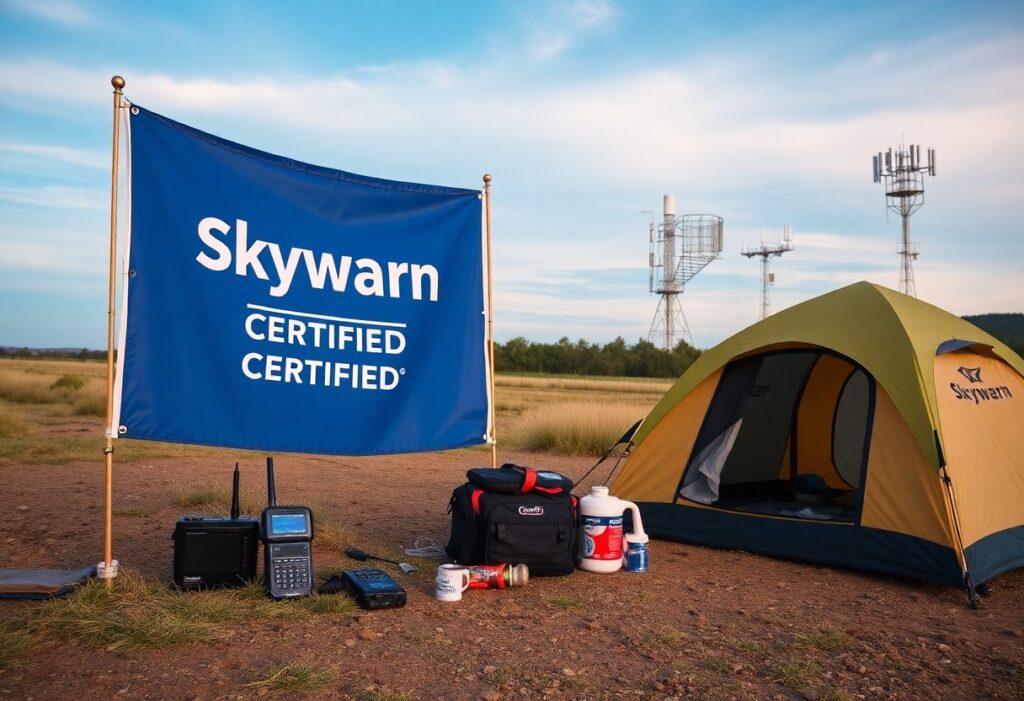
There’s a vital need for safety when you’re camping outdoors, and being Skywarn certified empowers you to effectively monitor and respond to severe weather conditions. This certification equips you with the skills to identify dangerous weather patterns and take proactive measures, ensuring you and your companions remain safe. By learning how to recognize warning signs, you enhance your outdoor experience, allowing for a focus on adventure rather than anxiety. In this guide, you’ll discover the steps to achieve certification and stay alert while enjoying the great outdoors.
Key Takeaways:
- Obtain Skywarn certification to improve weather awareness and response skills while camping.
- Understand the basics of severe weather patterns and warnings to enhance safety during outdoor activities.
- Participate in local Skywarn programs for hands-on training and community support in severe weather monitoring.
Understanding the Importance of Staying Alert Outdoors
Staying alert outdoors isn’t just about enjoying nature; it’s vital for your safety and well-being. Remaining aware of your surroundings allows you to identify potential hazards, such as wildlife, unstable terrain, or changing weather conditions. Enhanced alertness also enables you to respond quickly to emergencies, thereby minimizing risks during your camping trip. As you immerse yourself in the wilderness, keeping your senses sharp can mean the difference between a peaceful retreat and a dangerous situation.
Key Factors Affecting Alertness
Your alertness can be influenced by several factors that require your immediate consideration. These include your level of rest, nutrition, and hydration, which all play a significant role in how effectively you perceive the environment around you. Environmental conditions like temperature and light can also affect your senses.
- Quality of sleep
- Food intake
- Water consumption
- Surrounding temperature
- Exposure to sunlight
Recognizing these factors means you can adjust your routine and environment to boost your focus and safety while camping.
The Role of Weather in Outdoor Safety
Weather acts as a key element of outdoor safety, affecting both your comfort and survival. Sudden changes in weather can create dangerous situations, so keeping updated with forecasts is vital during your trip. Strong winds, thunderstorms, and extreme temperatures pose specific risks. Being prepared involves having the right gear and an action plan in place for weather-related emergencies.
Consider this: storms can develop rapidly, leading to flash floods or lightning strikes, especially in mountainous regions. Research indicates that nearly 30% of weather-related fatalities happen outdoors, largely due to unpreparedness. Ensuring you have a weather radio and learning to recognize forecast signs are vital steps in maintaining safety. Always evaluate the local climate for specific conditions that can affect your activities and your alertness. This preparation empowers you to make informed decisions, ensuring your outdoor experience remains enjoyable while minimizing risks associated with unpredictable weather.
How-To Get Skywarn Certified
Becoming Skywarn certified enhances your ability to recognize severe weather patterns and respond appropriately. The certification process involves attending an official training session, which is typically offered by National Weather Service offices. These sessions cover storm spotter basics, safety tips, and reporting techniques. For more information, refer to When a Safe Building or Vehicle is Nearby.
Steps to Obtain Certification
To obtain Skywarn certification, start by locating a training session nearby through the National Weather Service website. Attend the training, which usually lasts a few hours and includes interactive components. After completing the session, you will receive official certification that allows you to report severe weather conditions to the authorities, enhancing local safety protocols.
Benefits of Being Skywarn Certified
Being Skywarn certified significantly boosts your ability to stay safe while camping. You acquire valuable knowledge about identifying storm signs, which can prevent dangerous situations. Additionally, your reports contribute to community awareness and response strategies during severe weather events.
The benefits extend beyond personal safety, as your role as a Skywarn spotter means you can help your community prepare for extreme weather. With your training, you become an important line of communication between the general public and meteorologists. Furthermore, having this certification enhances your confidence in outdoor activities, knowing that you possess the skills to act proactively and protect yourself and others when conditions turn hazardous.
How-To Prepare for Safe Camping
Preparation is key to ensuring a safe camping experience. Check weather conditions regularly and keep your camp area secure by reviewing Campground Weather Safety and Preparedness. Make a comprehensive checklist of supplies and gear, ensuring you have everything needed to respond to emergencies and adverse weather.
Essential Gear and Supplies
Your campsite should be stocked with necessary gear and supplies, including a reliable tent, first aid kit, and adequate food and water. A portable phone charger and emergency blanket are also vital in case of unexpected situations. Proper footwear and durable clothing suited for varying weather will keep you comfortable and safe.
Setting Up Camp with Safety in Mind
When setting up your campsite, select a flat area away from hazards like falling branches and potential flood zones. Ensure your tent is at least 200 feet from water sources to prevent contamination and consider wind direction when positioning your tent to minimize exposure. Keep fire pits a reasonable distance from your tent and equip your site with a fire extinguisher or water bucket for emergencies.
Tips for Staying Alert While Camping
Staying alert while camping enhances your safety and overall experience. Implement these practices to remain vigilant:
- Regularly check your environment for changes.
- Practice effective communication with your camping group.
- Limit distractions by disconnecting from technology.
- Adopt a healthy sleeping schedule to avoid fatigue.
Knowing these tips can be integral in avoiding potential dangers during your outdoor adventures.
Maintaining Awareness of Surroundings
Your safety hinges on how well you maintain awareness of your surroundings. Regularly scan the area for wildlife, fellow campers, and potential hazards. Be mindful of the terrain and the location of your gear. Familiarizing yourself with trails, landmarks, and escape routes not only enhances your confidence but also prepares you for any unexpected situations.
Recognizing Signs of Weather Changes
Being attuned to the weather is necessary while camping. Watch for sudden temperature drops, darkening clouds, or unusual wind patterns. These changes can signal approaching storms, allowing you to take proactive measures to protect yourself and your setup.
Understanding weather patterns can be a life-saving skill. For instance, a rapid increase in humidity can foreshadow thunderstorms, while persistent cloud cover might indicate rain. Monitoring wildlife behavior also provides clues; animals may seek shelter or behave unusually before severe weather. Stay informed with weather apps and carry a portable weather radio for up-to-date forecasts. Taking these steps ensures you won’t be caught off guard during outdoor excursions.
Tips for Emergency Preparedness
Being prepared for emergencies is imperative when you’re outdoors. Ensure you have a well-stocked first aid kit, reliable communication devices, and a weather radio. Familiarize yourself with local emergency protocols and always let someone know your itinerary. Practice your emergency plan with your camping group to ensure everyone knows their roles during a crisis. The Lightning Safety | National Oceanic and Atmospheric … guide is an excellent resource for understanding weather-related threats.
Creating an Emergency Plan
Drafting an effective emergency plan involves identifying potential hazards and devising strategies to mitigate them. Include important contact numbers, meeting points, and evacuation routes in your plan. Ensure each person in your group understands the steps to take when faced with an emergency. Regularly review and practice this plan to boost confidence and readiness in unexpected situations.
Utilizing Technology for Safety
Technology enhances your ability to stay safe while camping. Utilize apps that track weather changes and alert you to severe conditions. Portable chargers for your devices can ensure connectivity in emergencies. Consider using GPS devices for navigation to avoid getting lost and to find rescue services if needed.
Utilizing a smartphone can enhance your safety with various apps designed for outdoor enthusiasts. Weather apps provide real-time updates about changing conditions, while mapping apps can help you navigate unfamiliar terrains. Emergency alert systems enable communication with nearby emergency services. Additionally, using social media can connect you with other campers and share safety updates. Making technology part of your safety toolkit can make all the difference in critical situations.
Final Words
Following this guidance will enhance your outdoor experiences and ensure your safety while camping. By getting Skywarn certified, you equip yourself with the knowledge and skills necessary to interpret weather conditions effectively, allowing you to make informed decisions. Being proactive in seeking out training and staying alert will empower you to enjoy nature responsibly, reduce risks, and respond adeptly to potential hazards. Your ability to assess threats in real-time will not only protect you but also contribute to the safety of those around you.