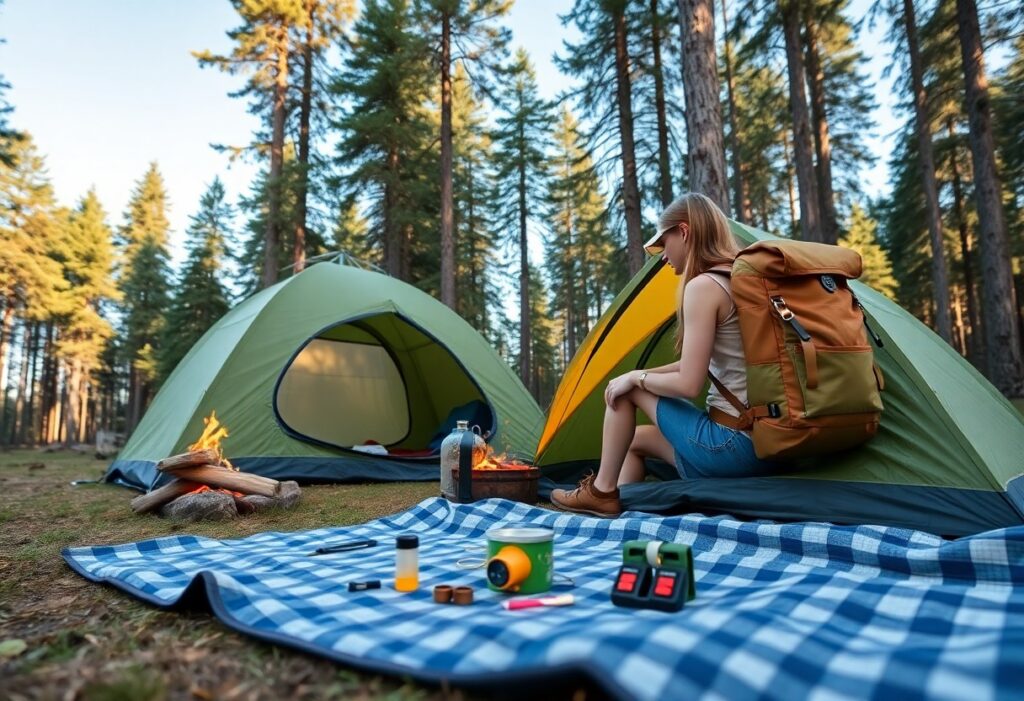
Many women seek the thrill of solo camping but may feel hesitant about safety. This guide will empower you with crucial tips to enhance your security and boost your confidence in the great outdoors. You’ll learn how to prepare effectively, select safe campsites, and stay aware of your surroundings. With the right knowledge and precautions, camping alone can be a rewarding experience that brings you peace of mind and a deeper connection with nature.
Key Takeaways:
- Choose a safe and popular camping location, ideally with other campers nearby.
- Inform someone about your itinerary and schedule before heading out.
- Practice self-defense techniques and carry personal safety devices, such as a whistle or pepper spray.
Understanding Solo Camping
Solo camping offers a unique experience that pushes your boundaries and fosters independence. Engaging with nature alone can lead to self-discovery, as you navigate challenges on your own terms. The absence of distractions allows you to fully immerse yourself in your surroundings, creating a peaceful atmosphere for reflection and growth.
Benefits of Solo Camping
Solo camping provides numerous advantages, including enhanced self-reliance and confidence. You’ll develop vital skills like navigation and fire-building while enjoying the freedom to set your schedule. The tranquility of being alone in nature can significantly reduce stress levels, promoting mental well-being and creativity.
Key Factors for Solo Female Campers
When commenceing on a solo camping trip, various factors significantly impact your safety and enjoyment. Choosing the right location is important – opt for well-populated campsites with good reviews. Additionally, consider your level of experience and choose sites that match your skills. Always carry proper gear and prepare for emergencies, ensuring access to communication devices. Assume that a little preparation goes a long way in ensuring a fulfilling experience.
- Location – Select safe and populated sites.
- Experience – Match your skills with the campsite difficulty.
- Gear – Ensure you have important camping equipment.
Understanding your environment also plays a pivotal role in solo camping. Gauge the weather conditions and potential wildlife encounters. Entering unfamiliar territories increases inherent risks; therefore, researching the area beforehand can make a considerable difference. Familiarize yourself with local regulations and trail maps, as knowing the challenges ahead is important for your safety. Assume that knowledge enhances not only your confidence but also your overall adventure.
- Local regulations – Be aware of campsite rules.
- Wildlife awareness – Understand possible animal encounters.
- Weather conditions – Prepare for potential changes in environment.
Essential Safety Tips
Safety should be your top priority when camping alone as a female. Implementing a few important safety tips can enhance your experience and provide peace of mind. Always carry a reliable communication device and have it fully charged. Opt for busy campsites, and take note of the emergency contacts in your area. Invest in a sturdy tent and familiarize yourself with basic survival skills. Perceiving your surroundings and remaining alert will significantly reduce potential risks.
Planning Your Trip
Your trip plan should detail your itinerary and include all necessary supplies. Research your destination thoroughly, considering weather conditions, trail difficulties, and local wildlife. Utilize apps or websites to check for recent camping reviews and reports about camping regulations. Clear communication with family or friends about your intended schedule also reinforces your safety.
Choosing the Right Campsite
When identifying a campsite, prioritize locations that are well-frequented and have visible signs of other campers. This not only fosters community but also ensures that help is nearby if needed. Look for sites within practical proximity to facilities, such as water sources and restrooms, to enhance convenience and safety. Check for suitability against natural hazards or potential threats like wildlife encounters.
Pay attention to the campsite’s terrain; choose a flat, dry area that is away from cliff edges or flood-prone zones. Additionally, ensure the campsite is well-lit and easily accessible, especially if you need to navigate in the dark. Trust your intuition-if something feels off, consider relocating to a different site. Choosing a safe and suitable campsite will greatly contribute to your overall camping experience, allowing you to focus on enjoying the great outdoors.
Packing for Success
Your packing list determines your comfort and safety while camping solo. Prioritize lightweight, durable items, and opt for gear that serves multiple purposes to enhance your experience. Planning your space wisely will allow you to make the most of your surroundings. For tips on safe campsite selection, check out How I Choose Safe Campsite as a Solo Woman Camper.
Must-Have Gear
Invest in a quality tent, sleeping bag, and stove tailored for solo camping. Your sleeping bag should be rated for the season and climate, ensuring a warm, restful night. A portable stove or campfire cooking set-up can turn meal prep into a pleasurable activity, and a reliable flashlight or headlamp ensures you can navigate your campsite after dark.
Personal Safety Items
Always pack personal safety items to enhance your peace of mind while camping alone. Items like a whistle, personal alarm, or pepper spray can help you feel secure and prepared for unexpected situations. Investing in a first aid kit is necessary, allowing you to address minor injuries promptly.
Consider carrying a whistle to signal for help if needed, as its sound travels further than your voice. A personal alarm can deter unwanted attention. When hiking or exploring, keep a multi-tool handy for various tasks, including food preparation or minor repairs. Finally, stay connected with a portable charger for your phone, ensuring you can call for help if necessary. These items empower you and provide an extra layer of safety, so you can enjoy your adventure fully.
Navigating the Wilderness
Map and Navigation Skills
Being proficient in map and navigation skills is vital for solo female campers. Familiarize yourself with topographic maps and compass use. Download offline maps on your GPS device or smartphone to ensure access when signal loss occurs. Carry a physical map as a backup. Understanding how to interpret various terrains can help you traverse safely and confidently. For additional insight, check out 10 Safety Tips for Solo Female Campers.
Staying Aware of Your Surroundings
Your awareness of the environment is crucial for your safety while camping. Take note of any potential hazards, such as wildlife or unstable terrain, and remain alert to other campers or unusual noises. Trust your instincts; if something feels off, don’t hesitate to change your plans or move to a safer location. Pay attention to changes in weather, as sudden shifts can pose significant risks.
Building situational awareness involves not only observing your environment but also actively engaging with it. For instance, listen for sounds such as rustling in bushes or unexpected movement around your campsite. Make mental notes of landmarks for easy navigation back to your site. Staying aware also means developing a routine to practice vigilance. Briefly scan your surroundings whenever you settle down or enjoy a moment of quiet; it helps reinforce your keen sense of safety in the wilderness.
Emergency Preparedness
To enhance your camping experience, prioritize emergency preparedness. Keep a well-stocked first aid kit, familiarize yourself with basic survival skills, and carry a reliable communication device. Ensure your friends or family are aware of your location and expected return. For more tips, check out Solo camping as a woman, safety tips and what to look for …
First Aid Essentials
Having a robust first aid kit is non-negotiable. Include items like adhesive bandages, antiseptic wipes, gauze, pain relievers, and any personal medications. Additionally, a CPR mask and a snake bite kit can be lifesavers in emergencies. Regularly check your kit for expired items to keep it effective.
Contingency Plans
Outline precise contingency plans before heading out. In the event of an emergency, these plans should detail evacuation routes, alternative contact persons, and nearby medical facilities. Based on your campsite’s proximity to civilization, evaluate how quickly you can reach help if needed. It’s wise to carry a map and compass, or a GPS device, to navigate effectively.
Building Confidence in the Outdoors
Embracing the great outdoors alone can be liberating, yet building your confidence is key to fully enjoying the experience. Start by familiarizing yourself with your camping gear and the environment. Understanding how to set up your tent, start a fire, and navigate is vital. This practice not only enhances your skills but also empowers you to handle unexpected situations. Over time, these small victories accumulate, bolstering your self-assurance while you explore nature on your terms.
Practicing Outdoor Skills
Establish a routine of practicing basic outdoor skills to boost your confidence level. Set aside time at home or in your local park to work on tasks like setting up a tent or cooking over a camp stove. The more comfortable you become with these skills, the less anxiety you’ll feel when camping solo. Engaging in mock scenarios can also help prepare you for real-life situations, ensuring you’re better equipped to handle them when they arise.
Connecting with Other Campers
Building connections with fellow campers can provide both support and camaraderie during your solo adventures. Engaging with others enhances your experience, allowing you to share tips and stories while keeping your spirits high. Initiating conversations at campsites, joining group hikes, or participating in local workshops can significantly enhance your confidence. Additionally, discussing your concerns openly with other women who have camping experience can offer valuable insights and reassurance.
Finding community among fellow outdoor enthusiasts not only provides a sense of belonging but can also be a source of safety. Local camping groups or online forums often have meetups, where you can cultivate lasting friendships while honing your skills. Sharing your journey enhances your knowledge and may encourage you to tackle new challenges fearlessly. These supportive networks can transform your solo excursions into memorable adventures backed by collective encouragement and wisdom.
To wrap up
With these considerations in mind, you can embrace solo camping with confidence and enjoy the tranquility of nature. Prioritizing your safety through careful planning, choosing the right gear, and staying aware of your surroundings will empower your outdoor experience. Trust your instincts and practice these tips to create a secure environment for yourself. The adventure awaits, and with these strategies, you’re equipped for a fulfilling and safe camping journey.