
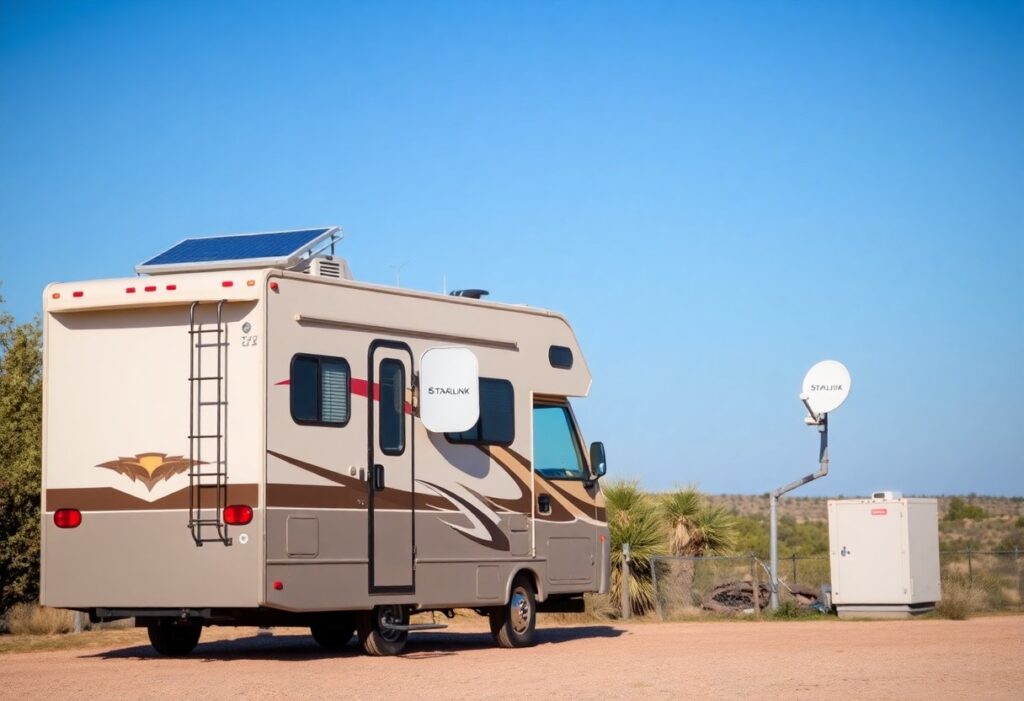
Many RV enthusiasts seek the freedom of going off-grid, and with the right setup, you can enjoy reliable power in remote locations. In this guide, you’ll learn how to implement Starlink for internet connectivity, harness solar energy for electricity, and choose the best batteries to store your energy. By following these steps, you’ll be equipped to maximize your RV adventures while staying self-sufficient and connected, even in the most isolated areas.
Key Takeaways:
- Combining solar panels with a battery system enables sustainable energy storage for off-grid living in an RV.
- Starlink provides reliable internet access regardless of location, enhancing connectivity while traveling remotely.
- Proper sizing of solar and battery systems is crucial for meeting power needs effectively during extended off-grid periods.
Understanding Off-Grid Power
What is Off-Grid Power?
Off-grid power refers to systems that operate independently of the traditional electrical grid, providing you with a self-sufficient energy source. This setup is commonly achieved through a combination of solar panels, batteries, and other renewable resources. By harnessing energy from the sun, wind, or water, you can power your RV wherever you go, eliminating reliance on external power sources.
Benefits of Going Off-Grid
Opting for an off-grid power solution offers numerous advantages, such as increased freedom in travel, reduced utility bills, and a positive impact on the environment. You’ll no longer be tied to campsites with power hookups, allowing you to explore remote locations while minimizing your carbon footprint.
In addition to the freedom to travel anywhere, off-grid systems enhance your RV experience by providing energy security during power outages or natural disasters. With batteries storing energy, you’ll have a reliable power supply even when sunlight is scarce. Furthermore, you can customize your setup based on your specific needs and power requirements, tailoring everything from panel size to battery capacity, ensuring optimal efficiency and sustainability on your adventures.
Choosing the Right Solar System
When selecting a solar system for your RV, prioritize your power needs to determine the appropriate system size and configuration. Factors include the number of devices you’ll use, their power consumption, and the available sunlight. For guidance on specific setups, see Suggestions on how to power Starlink for 8 hours without ….
Solar Panel Types and Recommendations
Options for solar panels vary widely, affecting efficiency and cost.
- Monocrystalline: Highly efficient, ideal for limited space.
- Polycrystalline: More affordable but less efficient.
- Thin-Film: Flexible and lightweight but requires more space for the same power output.
- Grid-Tied: Doesn’t store energy but can reduce electricity bills when plugged.
- Off-Grid: Requires battery storage to provide power when not generating.
Knowing the type of solar panel that fits your needs can enhance your off-grid experience.
| Panel Type | Efficiency |
| Monocrystalline | 15-22% |
| Polycrystalline | 13-16% |
| Thin-Film | 10-12% |
| Grid-Tied | N/A |
| Off-Grid | N/A |
Sizing Your Solar Setup
Accurately sizing your solar setup involves calculating the total energy you consume and matching it with solar panel output. Estimate daily usage in watt-hours by listing devices and their power ratings, and adjust for efficiency losses in the system. Generally, RV users should aim for enough solar capacity to meet daily needs with a bit of surplus for cloudy days.
To size your solar system, you must assess the total wattage needed for all your appliances. Multiply their usage hours by their wattage, and then divide by the average solar availability in your region to determine the necessary solar wattage. This ensures you have adequate capacity under various conditions, enabling you to enjoy a reliable and efficient power source while off-grid.
Battery Selection and Storage
Selecting the right batteries for your RV’s off-grid setup is necessary for optimizing performance and longevity. Consider lithium-ion batteries for their efficiency and lightweight nature, or AGM batteries, known for their durability and low maintenance requirements. For a more detailed overview, refer to Solar Power for Starlink: Complete Off-Grid Setup Guide. The following table outlines key battery types:
| Type | Advantages |
| Lithium-Ion | High efficiency, longer lifespan |
| AGM | Low maintenance, safe to use |
| Lead Acid | Cost-effective, widely available |
| Gel | Protection against deep discharge |
| Nickel Cadmium | Exceptional performance in extreme temperatures |
Types of Batteries for RVs
You have several options for RV batteries, each with its own benefits. Lithium-ion is ideal for prolonged use and rapid charging, while AGM batteries offer excellent safety and ruggedness. Lead-acid batteries are less expensive but require more maintenance. Gel batteries are suitable for varied conditions, and Nickel Cadmium performs well in harsh environments. Thou should choose based on your specific needs and usage patterns.
Proper Battery Maintenance and Safety Tips
Maintaining your RV batteries prolongs their lifespan and ensures safe operation. Regularly check the charge levels, keep connections clean, and ensure they are properly ventilated. Use a battery management system for optimal performance, and store batteries in a cool, dry place. Inspect for leaks and corrosion. Knowing how to maintain your batteries correctly enhances reliability and safety.
- Check charge levels
- Clean connections regularly
- Use a battery management system
- Store in a cool, dry place
- Inspect for leaks
Understanding battery maintenance can significantly impact your RV’s functionality. Always ensure connections are tight and free from corrosion. Check fluid levels in flooded lead-acid batteries, and ensure batteries are securely mounted to resist movement and vibrations during travel. Knowing these tips will help you enjoy peace of mind while off-grid.
- Secure connections
- Regular fluid checks
- Stable mounting
- Vibration resistance
- Peace of mind
Integrating Starlink for Connectivity
Seamless connectivity while off-grid is achievable with Starlink. This satellite internet service is designed to provide high-speed internet in remote areas, making it an excellent addition to your RV lifestyle. Establishing a reliable internet connection enhances your ability to work, stream, and stay connected, even miles away from the nearest town.
Setting Up Starlink in Your RV
Setting up Starlink in your RV involves mounting the dish securely and establishing power to the unit. Place the dish in a location with a clear view of the sky, preferably on the roof for stability. Connect the necessary cables to your Starlink router, and utilize the Starlink app for optimal positioning and troubleshooting, ensuring that you’ll be online as quickly as possible.
Tips for Optimizing Internet Speed
To enhance your Starlink internet speed, ensure a clear line of sight for the dish and minimize physical obstructions. Regularly update the Starlink app, as improvements and optimizations can significantly boost performance. Additionally, maintaining a strong connection to your devices with a reliable Wi-Fi router will further enhance your overall online experience.
- Clear view of the sky
- Regular updates to the Starlink app
- Use a strong router
- Minimize obstructions
- Track performance metrics
Exploring adjustments to your setup, like elevating the dish or changing its orientation, can yield noticeable improvements in speed. Check for any software updates frequently and experiment with different router configurations to maximize your internet speed. Recognizing your environment might require adjustments will help you maintain a stable connection no matter where you park.
- Elevate the dish
- Change orientation as needed
- Check the performance regularly
- Test different configurations
- Stay adaptable to conditions
Essential Off-Grid Equipment
Your off-grid RV setup will hinge on vital components that ensure reliable power generation and management. Key equipment such as solar panels, batteries, inverters, and charge controllers are fundamental to creating a self-sufficient system. These elements work together to capture, store, and convert solar energy so you can enjoy your adventures in nature without compromising comfort.
Inverters and Charge Controllers
Inverters serve as the heart of your off-grid system by converting the stored DC power from your batteries into usable AC power for your appliances. A good rule of thumb is to choose an inverter that matches or exceeds your peak wattage needs, which can range from 1,000 to 3,000 watts for most RV setups. Charge controllers, on the other hand, regulate the voltage and current coming from your solar panels to prevent battery overcharging and extend battery life.
Additional Tools for Off-Grid Living
To further enhance your off-grid experience, consider integrating additional tools such as monitoring systems, energy-efficient appliances, and backup generators. These tools not only optimize your power management but also provide insights into your consumption patterns, helping you make informed decisions on energy usage.
Investing in a monitoring system allows you to track real-time data on battery levels and solar production, enabling proactive adjustments to your energy consumption. Energy-efficient appliances play a pivotal role in extending your power supply, as they use significantly less energy compared to standard models. Incorporating a backup generator can provide peace of mind during prolonged cloudy days or in emergencies. Together, these tools elevate your off-grid RV lifestyle, ensuring independence and comfort while exploring the great outdoors.
Factors to Consider for Successful Off-Grid Living
Your off-grid experience will succeed based on several factors that influence power generation and lifestyle. Consider the availability of solar energy, battery capacity, and usage patterns for maximizing efficiency. Weather conditions can impact power generation, while your chosen location may affect internet connectivity. Effective load management ensures that your energy consumption aligns with available resources. Understanding these elements is vital for a seamless off-grid transition. This comprehensive guide on Starlink Off-Grid Setup? offers insights for better planning.
Climate and Weather Impact
The climate and weather you encounter significantly dictate your off-grid efficiency. Sunlight availability, rain patterns, and temperature extremes can all hinder your solar power generation. For instance, an area with consistent cloud cover may require you to invest in larger battery storage to compensate for less solar energy. Planning your trips during optimal weather conditions will enhance your experience and efficiency off-grid.
Load Management and Energy Efficiency
Optimizing your energy consumption directly impacts your off-grid sustainability. You must prioritize crucial devices and use energy-efficient appliances to reduce load. Invest in LED lighting and energy star-rated appliances to ensure minimal energy use while maintaining comfort. Tracking your energy usage through a management system can help identify power hogs, allowing you to adjust habits and avoid battery depletion.
To dive deeper into load management, consider installing an energy monitor that provides real-time feedback on your power consumption. This allows you to strategize your energy use better by turning off non-crucial devices and planning high-energy tasks during peak solar generation times. By embracing energy-efficient habits, you’ll ensure a comfortable and reliable off-grid lifestyle.
Summing up
Conclusively, powering your RV off-grid effectively requires a balanced integration of Starlink for connectivity, solar panels for energy capture, and a reliable battery setup for storage. By thoughtfully selecting each component, you can ensure a seamless experience, allowing you to enjoy the freedom of off-grid living without sacrificing imperative services. Implementing these strategies will enable you to harness renewable energy and stay connected, making your adventures more enjoyable and sustainable.