Camping during the shoulder season offers a unique opportunity to enjoy nature with fewer crowds and often more pleasant weather. To maximize your experience, plan ahead by checking local regulations and weather patterns, as conditions can be unpredictable. Equip yourself with appropriate gear to handle potential temperature shifts and pack importants to stay comfortable. Engage in off-season activities like hiking and fishing, which can be more rewarding when fewer campers are around. By embracing this transitional camping period, you can create lasting memories in a peaceful and serene environment.
Key Takeaways:
- Plan for variable weather by packing appropriate clothing and gear.
- Take advantage of lower campsite fees and reduced crowds during the shoulder season.
- Research local flora and fauna specific to the season for a more enriching experience.
Understanding Shoulder Season
This period between peak and off-peak seasons is when camping becomes exceptionally rewarding. Characterized by milder weather, fewer tourists, and vibrant natural displays, shoulder season typically encompasses spring and fall months. During these times, you can experience serene landscapes and pleasant temperatures, enhancing your connection with nature.
Definition and Timing
Shoulder season refers to the transitional months that fall between the busy summer camping season and the quieter winter months. Depending on your location, these periods often occur in late March to early June and September to October. This timing allows you to capitalize on favorable weather while maximizing enjoyment in lesser-crowded outdoor spaces.
Benefits of Shoulder Season Camping
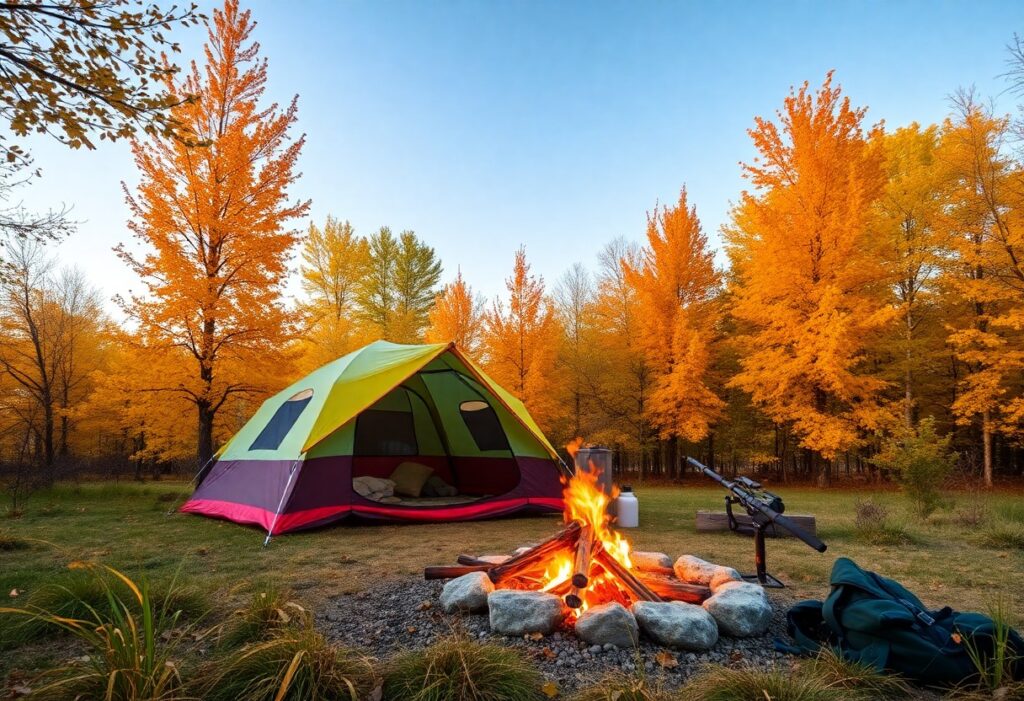
Camping during the shoulder season comes with several advantages. You’ll likely encounter lower campsite fees, fewer people, and increased opportunities for wildlife sightings. Additionally, many natural areas showcase stunning fall foliage or spring blooms, enhancing your overall experience. You can fully immerse yourself in the tranquility of nature without the noise of bustling crowds.
For instance, numerous national parks offer significant discounts during the shoulder season, often cutting fees by up to 50%. With less competition for popular campsites, you can secure prime spots near lakes or scenic overlooks. Furthermore, wildlife is often more active during transitional seasons, giving you a rare chance to witness animals in their natural habitats without human interference. The blend of cost savings, fewer visitors, and breathtaking scenery makes shoulder season an ideal time for your next camping adventure.
Preparing for Your Trip
Preparation is key to enjoying a successful shoulder season camping trip. Start by researching weather patterns for your destination; conditions can vary greatly between seasons. Choose appropriate times to visit to avoid extreme temperatures and crowded sites. Utilize resources like Shoulder Season – The Time in Between to gather insights on optimal trip planning strategies. Having a solid plan will ensure that you maximize your time outdoors.
Researching Campsites
Identify campsites that are operational during shoulder season, as some may close due to weather or maintenance. Use online platforms and local forums to check availability, amenities, and reviews. It’s wise to consider alternatives in case your first choice is full or unsuitable for the conditions expected during your trip.
Packing Essentials
Your packing list can make or break your camping experience, especially in shoulder season. Prioritize layering clothing, a versatile sleeping bag, and reliable shelter. Include gear specifically suited for variable conditions, like a waterproof jacket or insulated items. Due to fluctuating daytime and nighttime temperatures, prepare for both warm and cool weather.
In addition to clothing, your gear should also cater to unique shoulder season challenges. Include items like a robust camping stove for chilly mornings, extra insulation for your sleeping setup, and a reliable first aid kit to address any potential injuries. Always check local regulations and pack out what you pack in to minimize your impact on the environment. Being well-prepared enables you to adjust to changing conditions seamlessly, enhancing your overall adventure.
Tips for Choosing the Right Destination
Selecting the perfect destination for your shoulder season camping trip involves considering factors such as climate, accessibility, and local attractions. Look for areas known for their stunning fall foliage or tranquil spring blooms to enhance your experience. Evaluate campgrounds that offer both amenities and natural beauty, ensuring they suit your style. Any location that provides unique outdoor opportunities will elevate your adventure.
- Climate
- Accessibility
- Local attractions
- Amenities
- Natural beauty
Factors to Consider
When determining your camping destination, assess weather, crowd levels, and campground facilities. Some regions may experience unpredictable weather, impacting your comfort level. Investigate how busy the area tends to be during the shoulder season; fewer crowds often mean a more relaxed atmosphere. Additionally, some campgrounds provide vital services like restrooms and showers, which can significantly enhance your experience. Perceiving these factors early will help pinpoint the ideal location for your trip.
- Weather
- Crowd levels
- Campground facilities
Popular Shoulder Season Locations
Some popular shoulder season camping locations include national parks such as Great Smoky Mountains, Zion, and Yosemite, all known for their vibrant scenery and diverse ecosystems. During fall, you can enjoy brilliant foliage and cooler temperatures, making hikes more enjoyable. In spring, locations like Shenandoah offer blooming wildflowers and easier access to trails. These destinations not only provide stunning views but also less congested trails, creating a tranquil outdoor experience.
Campground Etiquette in Off-Peak Times
During shoulder season, being mindful of campground etiquette is vital for enhancing everyone’s experience. With fewer campers around, strive for harmony by following basic rules, such as keeping noise levels low and maintaining a tidy campsite. Respecting quiet hours is particularly important in these less busy settings, as fellow campers are likely seeking peace and solitude. By adhering to these guidelines, you help foster a welcoming environment for all visitors.
Respecting Nature and Other Campers
Making a concerted effort to respect both the natural surroundings and your fellow campers elevates the camping experience for everyone. Always practice *Leave No Trace* principles, ensuring you pick up all trash and minimize your impact on the ecosystem. Sharing communal spaces, offering a friendly smile, and being courteous in common areas can go a long way toward building a sense of community, especially when campgrounds are less crowded.
Safety Considerations
In off-peak times, *safety* should remain a top priority despite the reduced number of campers. Verify that your first aid kit is well-stocked and that you have appropriate gear for fluctuating temperatures and conditions. It’s vital to check in with local rangers for any wildlife activity, as many animals are more active during this time. Communicating your plans with someone outside of the trip ensures accountability.
Additionally, familiarize yourself with the *specific hazards* of the area you are camping in, such as seasonal changes that could affect trails or common wildlife encounters. Always be prepared for inclement weather, which can be unpredictable during shoulder seasons. Carry a reliable map and compass, or a GPS device, and make sure your phone is fully charged, as signal can be spotty in remote areas. Keep your campsite safe by not leaving food out, as it may attract wildlife, which is particularly active during transitioning seasons.
Weather Readiness
Understanding the weather during shoulder season can greatly influence your camping experience. It’s necessary to check the forecast regularly for your destination, noting potential changes. Equip yourself with versatile gear suitable for various weather conditions, ensuring a comfortable trip. For more tips, you can explore How to Make the Most of Shoulder Season at Your Campground.
Understanding Seasonal Weather Patterns
Seasonal weather can be unpredictable, especially in shoulder seasons. Areas may experience sudden temperature drops or unexpected rain. Research the typical climate for your campsite’s location, noting the average highs and lows during your travel dates. Some regions may have significant temperature swings or frequent precipitation, which could require adjustments to your plans.
Preparing for Temperature Variations
Temperature variations often occur during shoulder seasons and can shift dramatically from day to night. Packing layers, such as thermal base layers, insulating mid-layers, and waterproof outer shells, allows you to adapt to changing conditions. Keep necessarys like hats and gloves on hand, as night temperatures can drop below freezing in certain regions.
Temperature Preparation Checklist
| Daytime Gear | Lightweight clothing, sunscreen, hydration supplies |
| Nighttime Gear | Warm layers, thermal sleeping bag, weather-resistant tarp |
| Weather Forecast Tools | Smartphone apps, portable weather radio |
| Emergency Supplies | Extra blankets, first-aid kits, extra food and water |
When preparing for temperature shifts, focus on selecting appropriate clothing for layering. For daytime, choose moisture-wicking fabrics that keep you dry, while lighter layers can ensure comfort as temperatures rise. As evening approaches and the temperature drops, your insulated jackets and thermal layers will help retain warmth. Being well-equipped allows you to fully enjoy your adventure while remaining comfortable despite any weather surprises.
Layering Strategies
| Base Layer | Moisture-wicking thermal shirts and pants |
| Mid Layer | Fleece or down jackets for insulation |
| Outer Layer | Water-resistant shell to block wind/rain |
Activities to Enjoy During Shoulder Season
Shoulder season camping offers an array of unique activities, from trail adventures to community gatherings. You can immerse yourself in the serene beauty of nature while engaging in less crowded and more intimate experiences. Research local attractions and don’t miss out on Top Tips for Shoulder Season Backpacking to maximize your outdoor enjoyment.
Hiking and Nature Exploration
With lesser crowds and vibrant fall colors or vibrant spring blooms, hiking during shoulder season can be particularly rewarding. Trails that may be bustling in peak season will offer you peaceful solitude and an opportunity to truly connect with nature. Equip yourself with the appropriate layers to adapt to quick weather changes, and keep your camera ready for stunning views.
Local Events and Festivals
Tapping into local events and festivals enhances your shoulder season camping experience. Many towns host seasonal fairs, farmers markets, or cultural events that celebrate the local community. You can explore artisanal goods, enjoy live music, and even participate in unique traditions, adding an exciting dimension to your trip.
For example, many regions celebrate harvest festivals or outdoor concerts, providing a chance to taste local foods and enjoy artistic performances. Connecting with the locals not only enriches your adventure but also supports regional economies. Check community calendars for events during your visit, ensuring you partake in these vibrant gatherings that showcase the area’s unique flavor, such as apple picking in northern states or spring flower festivals in the south.
To wrap up
With this in mind, your shoulder season camping trips can be highly rewarding when approached with the right strategies. Optimize your experience by targeting less crowded locations, keeping an eye on weather changes, and being prepared with appropriate gear. Embrace flexibility in your plans to fully enjoy the peaceful ambiance and stunning natural beauty this season offers. By following these tips, you can enhance your camping adventure and create lasting memories while enjoying the benefits that shoulder season brings.