Many adventurers seek out the thrill of boondocking, but finding free campsites for your RV or tent can be daunting. This guide will empower you with vital tools and techniques to discover serene locations for your next outdoor escape. You’ll learn where to search, what to consider for your safety, and how to fully enjoy the benefits of camping without the cost. Unlock the adventure of free camping and make the most of your outdoor experiences today!
Key Takeaways:
- Utilize online resources, such as websites and apps, to locate free camping sites suitable for RVs and tents.
- Check local regulations and guidelines regarding boondocking to ensure compliance and avoid fines.
- Engage with camping communities and forums for tips and recommendations on lesser-known free campsites.
Understanding Boondocking
Boondocking involves camping outside of designated campgrounds, often on public land, without the amenities typically found in established sites. This practice allows you to experience nature more fully while exploring remote areas that may be untouched by commercial developments. You’ll need to be self-sufficient and prepared for the unique challenges that come with off-grid camping, making it an adventurous alternative for both RV and tent campers.
What is Boondocking?
Boondocking, also known as dispersed camping, refers to camping in undeveloped areas where you won’t find traditional camping facilities such as restrooms, water, or trash disposal. This form of camping typically occurs on public lands, such as those managed by the Bureau of Land Management (BLM) or national forests, where you can pitch your tent or park your RV without reservation fees.
Benefits of Free Camping
Free camping through boondocking offers significant opportunities for adventure, including saving money and enjoying picturesque locations. By eliminating campsite fees, you can allocate funds toward experiences and imperative travel costs, making it ideal for budget-conscious adventurers. Additionally, the freedom to camp in isolated or scenic spots means you’ll often enjoy less crowded environments, fostering a deeper connection with nature.
Many campers find that boondocking enhances their outdoor experience. It provides an escape from the hustle and bustle of everyday life, allowing you to connect with nature directly. With the option to camp at scenic overlooks, by tranquil lakes, or among ancient forests, you can create unique memories that a traditional campground may not offer. Furthermore, the variety of locations available throughout the country expands your options, adapting your camping style to suit your personal preferences and desired level of solitude.
How to Find Free Campsites
When searching for free campsites, you can maximize your chances by combining various resources and techniques. Researching locations in advance ensures that you uncover spots that meet your needs for amenities and accessibility. Consider off-peak seasons when sites are less crowded, making it easier to find a place that’s safe and enjoyable for your outdoor experience.
Utilizing Online Resources
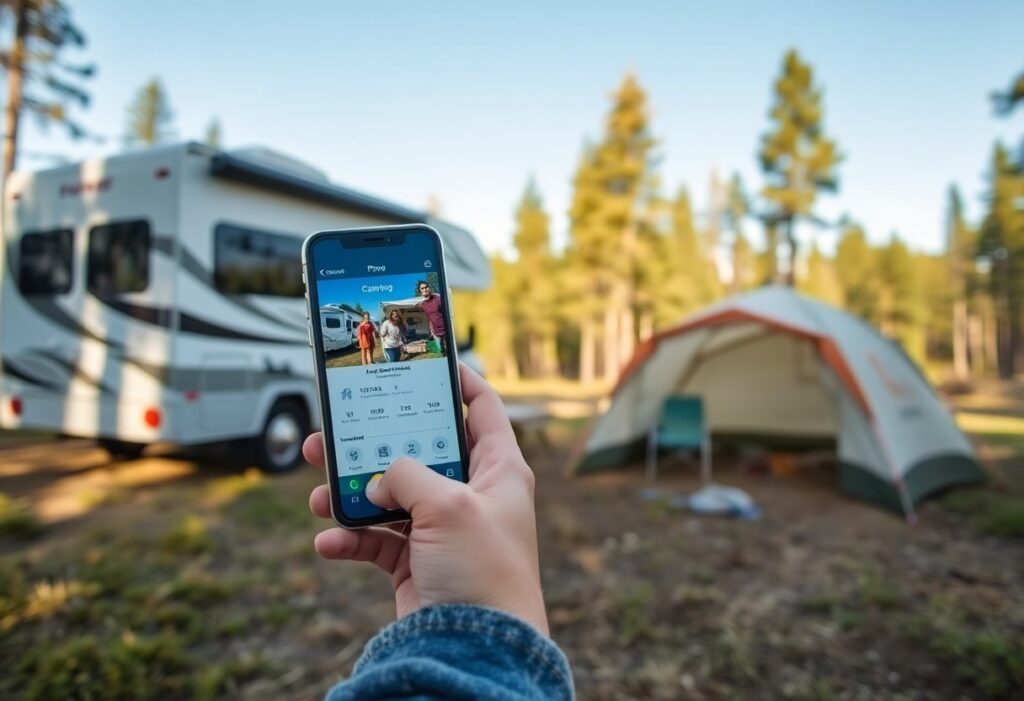
Leverage websites and mobile apps dedicated to camping to streamline your search for free campsites. Platforms like Campendium and FreeCampsites.net provide user-generated reviews and detailed site information, while GPS mapping tools help you navigate to these locations effortlessly. Don’t forget to check for recent updates and visitor comments for the best experience.
Local Community Insights
Engaging with local communities can reveal hidden gems that aren’t advertised online. Forums like Reddit or nextdoor.com often provide tips on nearby camping spots. Additionally, local outdoor shops or visitor centers frequently have staff knowledgeable about the best and lesser-known places to camp for free.
Connecting with local campers can also enhance your experience. Ask for recommendations on forums or at campgrounds, and consider joining local Facebook groups where members share their experiences and tips. For example, a casual inquiry might lead you to a pristine location near a river that’s perfect for fishing, or a site known for its stunning views at sunset. Information from locals often uncovers opportunities that mainstream resources might overlook, truly enriching your camping adventure.
Important Tips for Successful Boondocking
Successful boondocking requires a mix of preparation, flexibility, and respect for nature. Research your location thoroughly, pack efficiently, and always have a backup plan. Embrace the freedom that comes with camping off-grid but ensure you practice *Leave No Trace* principles. Some key tips include:
- Scout the area before settling down.
- Bring adequate supplies, including water and food.
- Keep your RV or tent environment clean.
- Stay aware of wildlife and local regulations.
Assume that well-prepared boondockers enjoy a more fulfilling experience in nature.
Preparation and Planning
Before heading out, thorough preparation can make or break your boondocking experience. Identify potential sites, check accessibility conditions, and verify availability of resources. Pack important gear such as solar-powered devices, a high-quality water filter, and ample food supplies. It’s also wise to familiarize yourself with local weather patterns and potential hazards that could affect your trip.
Safety and Legal Considerations
Understanding local laws is paramount when boondocking. Ensure you know the distinctions between public and private land. Be aware of fire regulations and what to do in case of extreme weather. Ignoring these factors can lead to fines or unsafe situations.
Your well-being is linked to comprehending the legal landscape for free camping. Many areas allow dispersed camping, but specific rules can vary from region to region. Notably, places like the Bureau of Land Management (BLM) often welcome boondockers while others may restrict camping altogether. Always check the latest rules and consider registering with local authorities when necessary. Engaging with local outdoor communities can provide valuable insights into safe practices and regulations, ensuring your adventure remains thrilling but responsible.
Factors to Consider When Choosing a Campsite
When opting for a campsite, several factors come into play that can significantly impact your experience. You’ll want to assess the location, accessibility, amenities, and overall safety. Consider the proximity to attractions, weather conditions, and any specific regulations that might affect your stay. Additionally, evaluate the terrain and the activities available nearby. How do you find free places to camp without paying? Knowing these elements ensures a more enjoyable and stress-free outing.
Accessibility and Terrain
Evaluating accessibility and terrain is vital when choosing a campground. Ensure that roads are well-maintained for your RV or vehicle, especially if you’re bringing a larger rig. Look for signs of previous maintenance or potential hazards like steep inclines or rough roads. Suitable terrain is crucial for setting up your tent or parking your RV to avoid flooding or damage.
Amenities and Resources Nearby
Nearby amenities such as clean water, restrooms, and waste disposal can enhance your camping experience. Some campsites may offer picnic tables and fire pits, while others might have proximity to stores or restaurants, which can save you time and effort. Access to hiking trails or fishing spots adds value, so check maps or reviews for insights on local resources.
In addition to basic amenities, consider the availability of internet access or cell service, especially if you plan to work remotely or need to stay connected. Being close to medical facilities can also be a safety precaution. Research into local attractions or nearby visitor centers could further enrich your stay, enhancing both convenience and adventure.
Essential Gear for Boondocking
To enhance your boondocking experience, certain gear can make a substantial difference. A high-quality solar panel or portable generator provides vital power for your devices, while a complete water filtration system ensures you stay hydrated with clean water. Don’t overlook sturdy tools for setting up camp and maintaining your gear. For additional resources, check out How to Find Free Camping Near Me.
Recommended Camping Equipment
Investing in durable camping equipment is imperative for a successful boondocking adventure. A reliable tent that withstands weather elements and a sleeping bag rated for various temperatures ensure your comfort. Additionally, portable cooking gear like a camp stove allows you to prepare meals easily, while a multi-tool serves multiple functions, saving space in your gear. Make sure to pack a first aid kit for safety during your excursions.
Sustainable Practices
Practicing sustainability during boondocking is vital for preserving natural landscapes. Always adhere to the ‘Leave No Trace’ principles, which include disposing of waste properly and respecting wildlife. By using biodegradable products and minimizing your impact, you contribute to maintaining the beauty of campsites for future visitors.
Adopting sustainable practices not only benefits the environment but also enhances your camping experience. Prioritize using eco-friendly products, such as reusable containers and natural cleaning supplies, to reduce plastic waste. When burning wood, choose dead and downed timber, ensuring you’re not negatively affecting the local ecosystem. Educating yourself on the local flora and fauna helps you avoid damaging sensitive habitats while enjoying the great outdoors responsibly.
Connecting with the Boondocking Community
Being part of the boondocking community enhances your camping experience by providing tips, support, and camaraderie. Engaging with fellow enthusiasts allows you to share insights about the best spots and campsite etiquette. For those seeking options, check Free Camping Near You | Go Camping for Free! to find ideal locations and connect with others who share your passion.
Online Forums and Social Media
Online platforms like Facebook groups and Reddit forums are fantastic resources for connecting with fellow boondockers. These communities often share firsthand experiences, site recommendations, and crucial tips for navigating the challenges of free camping. You can benefit from seasoned travelers’ advice and find real-time updates about campsite conditions.
Local Meetups and Events
Participating in local meetups and events can deepen your connection to the boondocking community. These gatherings often consist of group outings, workshops on camping skills, or information sessions about sustainable boondocking practices. Engaging with others face-to-face can lead to valuable friendships and collaborations for future trips, making your outdoor adventures even more rewarding.
To wrap up
Conclusively, finding free campsites for your RV or tent can be an accessible and rewarding experience. Utilize online resources, mobile apps, and local regulations to uncover hidden gems in nature. Engage with fellow campers for recommendations and insights, and always stay informed about site rules and conditions. By following these steps, you can enjoy an adventurous and budget-friendly outdoor experience while maximizing the beauty of your surroundings.