
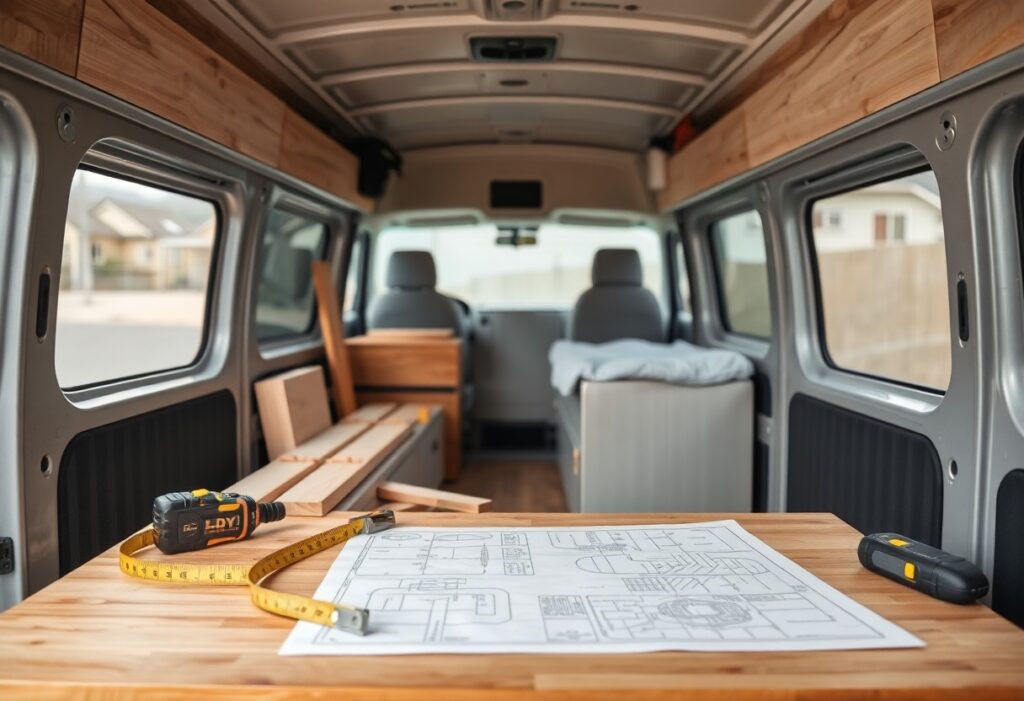
Just stepping into a DIY van conversion can feel overwhelming, but you can sidestep expensive errors and create a functional space with some guidance. This post covers vital tips that will help you steer clear of common pitfalls many beginners face, ensuring that your van becomes a comfortable home on wheels rather than a source of frustration. By following these straightforward strategies, you’ll enhance your experience and make the most of your conversion project.
Key Takeaways:
- Plan your layout carefully before making any permanent modifications to maximize space and functionality.
- Invest in quality materials and tools to avoid common pitfalls and ensure durability.
- Research electrical and plumbing systems thoroughly to prevent safety hazards and costly repairs.
Understanding Van Conversion
Venturing into DIY van conversion requires a clear understanding of the unique challenges and opportunities it presents. Familiarizing yourself with the imperatives, including layout, materials, and systems, sets the foundation for a successful project. You’ll navigate a range of variables like insulation types, electrical systems, and space optimization-all pivotal in creating a functional and comfortable living environment.
How-to Choose the Right Van
Selecting the perfect van is fundamental to your conversion success. Consider factors such as size, reliability, fuel efficiency, and the type of travel you plan to undertake. Popular choices among converters include the Mercedes Sprinter, Ford Transit, and Ram ProMaster. Evaluate your needs against the specific features of each van model to ensure an ideal fit.
Tips for Setting a Budget
A well-defined budget is imperative to avoid overspending during your van conversion. Start by outlining your priorities and distinguishing between must-have and nice-to-have features. Allocate funds for major expenses, such as the van, materials, and appliances, and leave room for unexpected costs that may rise during the conversion.
- Outline priorities to identify must-have versus nice-to-have features.
- Allocate funds for major expenses like the van and materials.
- Leave room for unexpected costs throughout the conversion.
Consider getting quotes from suppliers and estimating labor costs (if applicable) to refine your budget further. Evaluate online resources or forums for insights, as other converters often highlight common pitfalls and financial surprises. Keep track of every expense and adjust your budget as you go to ensure you stay on target. After you’ve set a solid foundation, you’re in a better position to realize your vision without financial strain.
- Get quotes from various suppliers for accurate budgeting.
- Evaluate online resources for insights and experiences shared by other converters.
- Adjust budget as necessary to reflect any new information or changes.
Planning Your Layout
One of the most impactful decisions in your van conversion is the layout. Spend time mapping out your design to ensure a functional space that reflects your daily needs and lifestyle. Consider visiting this discussion on newbie mistakes to avoid in van life? to gather insights from experienced converters. Prioritize flow and accessibility to enhance convenience during your travels.
How-to Design a Functional Space
Functionality is key when designing your van. Focus on integrating multipurpose furniture, such as a bed that converts into a seating area or storage compartments that double as steps. These elements maximize your usable space and contribute to a more efficient layout. Think about how you can leverage vertical space for storage solutions. It’s about optimizing every inch!
Factors to Consider for Comfort
Comfort in your van goes beyond just furnishings; it encompasses insulation, ventilation, and temperature control. Proper insulation helps regulate temperature, while effective ventilation minimizes condensation and ensures airflow. Use materials that are both durable and pleasant to touch, creating a cozy atmosphere. Consider installing a fan or air conditioning unit to maintain optimal conditions during extreme weather. Knowing how these factors interact will make your van feel like home.
- insulation
- ventilation
- temperature control
- durability
For your comfort, integrate soft textures and personalized decor to make your space inviting. Consider how light affects your mood by using both natural and artificial lighting effectively. Adding curtains or shades can provide privacy and help regulate temperature. Choose a comfortable mattress for a good night’s sleep, as your rest is vital for energy levels on the road. Knowing these comfort elements will significantly enhance your van life experience.
- decor
- natural and artificial lighting
- comfortable mattress
Essential Tools and Supplies
Having the right tools and supplies is vital for a successful van conversion. You’ll need a variety of tools such as a circular saw, drill, and measuring tape to ensure precision in your build. For a detailed account of common pitfalls, check out 5 of My Biggest Van Conversion Mistakes.
How-to Gather the Right Tools
Start by creating a checklist of necessary tools you’ll need. Consider renting or borrowing expensive tools to minimize initial costs. Local tool libraries or community workshops often have tools available for use, which can be an excellent resource. Prioritize quality over quantity to ensure your tools will last throughout your project.
Tips for Sourcing Quality Materials
When sourcing materials, focus on quality and sustainability. Local hardware stores often have better selection compared to big-box retailers. Explore options like reclaimed wood or repurposed materials, which not only save money but also add character to your conversion. You can also utilize online marketplaces for affordable options.
- Local hardware stores
- Reclaimed wood
- Online marketplaces
- Quality materials
Utilizing multiple sources increases your chances of finding high-quality materials at competitive prices. Visit thrift stores or construction salvage yards for unique items to incorporate into your van. Networking with other van lifers can also provide leads on excellent material sources, enhancing your build’s potential with unique features. Knowing your options can save you time and money.
- Multiple sources
- Thrift stores
- Networking
- Construction salvage yards
Electrical and Plumbing Basics
Mastering the basics of electrical and plumbing systems will enhance your van conversion’s functionality and safety. Understanding the voltage requirements, configuring your circuit correctly, and ensuring proper water flow are vital steps. This knowledge not only saves time and effort but also prevents costly mistakes that could lead to equipment failures or water damage.
How-to Install a Reliable Electrical System
To install a reliable electrical system, start by selecting a quality deep-cycle battery and ensuring your wiring is of appropriate gauge, minimizing voltage drop. Use an inverter for AC power if needed, and fuse each circuit to protect against overloads. Properly label your wires for easy troubleshooting and maintain a neat layout to facilitate modifications later.
Common Mistakes in Plumbing
Avoiding common plumbing mistakes can save you from leaks and water damage. Improper sealing of connections, using incorrect pipe materials, or neglecting to install a water filter can lead to significant problems down the line. Understanding the best practices and maintaining proper drainage will help ensure a smooth operation.
Common plumbing mistakes often arise from inadequate planning for water flow and drainage. Failing to account for the layout can lead to bottlenecks or unnecessary bends, making your system inefficient. Additionally, using incompatible materials like PVC for hot water lines can result in leaks. Implementing appropriate pressure regulators and regularly checking for leaks can significantly enhance system longevity, ensuring that your plumbing remains effective throughout your travels.
Insulation and Weatherproofing
Proper insulation and weatherproofing are key elements that can significantly enhance your van conversion. Inadequate insulation leads to uncomfortable thermal conditions and increased energy costs, while poor weatherproofing can result in moisture issues and structural damage. Avoid these pitfalls by following expert advice from 8 Horrible Van Build Mistakes You Don’t Want to Make. Ensuring you get these elements right is vital for a long-lasting and enjoyable living space.
How-to Properly Insulate Your Van
To effectively insulate your van, start with measuring your walls, ceiling, and floor accurately. Choose materials like foam board or spray foam for optimal thermal resistance. Install the insulation tightly without gaps and don’t forget to cover areas around windows and doors. Properly insulating your van maintains comfortable temperatures year-round, minimizing the need for excessive heating or cooling.
Tips for Effective Weatherproofing
Effective weatherproofing includes sealing gaps with high-quality caulk and ensuring windows and doors have proper weather stripping. Utilize moisture-resistant materials and apply a robust sealant to the exterior of the van. Regularly inspect your weatherproofing during upkeep to catch any potential issues early. Thou shalt maintain your van rigorously to foster a dry and secure interior.
Employing the right techniques for weatherproofing can prevent considerable damage over time. Selecting proper materials such as rubber seals for doors and windows helps block drafts effectively. Consider installing an additional membrane or barrier beneath your flooring to further protect against moisture. Routinely checking for signs of wear will ensure your van remains in prime condition. Thou shall not overlook these critical steps to uphold your van’s integrity.
Testing and Making Adjustments
After completing your van conversion, it’s necessary to test all systems and components to identify any issues. This involves ensuring that plumbing, electrical, and heating systems function correctly. Spotting problems early can save you time and money on fixing them later. Address any leaks, unusual sounds, or malfunctions immediately to ensure a safe and comfortable living environment.
How-to Evaluate Your Conversion
Evaluating your conversion involves assessing functionality, comfort, and usability regularly. Test appliances, check for leaks, and ensure seating and sleeping arrangements work for your lifestyle. Spend time living in the van to gain valuable insights into necessary improvements, refining your space to match your needs.
Tips for Adjusting to Liveability
Making your van livable requires practical adjustments once you’ve evaluated your space. Consider ergonomics in your design, ensuring that everything is comfortably within reach. Experiment with organization methods to maximize space, and incorporate personal touches to enhance comfort. This might include adding decorative elements or optimizing storage solutions.
- evaluate your space to enhance functionality
- test appliances and systems thoroughly
- refine layout based on usability
- optimize storage for comfort
- Knowing how to adapt elements can significantly increase your van’s liveability.
Focus on how you interact with your living space to make it truly yours. Create distinct zones for work, relaxation, and sleep to improve daily routines. Incorporate multi-functional furniture, like bed frames with storage underneath, to save space. Also, keep a balance between aesthetics and functionality, ensuring your van feels like home while meeting your practical needs.
- create distinct zones for different activities
- incorporate multi-functional furniture
- balance aesthetics with functionality
- maximize storage without compromising comfort
- Knowing how to blend style and utility will enhance your living experience.
Final Words
Hence, by avoiding common DIY van conversion mistakes, you can ensure a smoother and more enjoyable process. Pay attention to research, plan meticulously, and invest in quality materials to enhance your project’s success. Familiarize yourself with necessary systems and create a realistic timeline, ensuring you don’t rush important decisions. By utilizing these strategies, your van conversion journey will lead to a functional and personalized living space that meets your needs.