
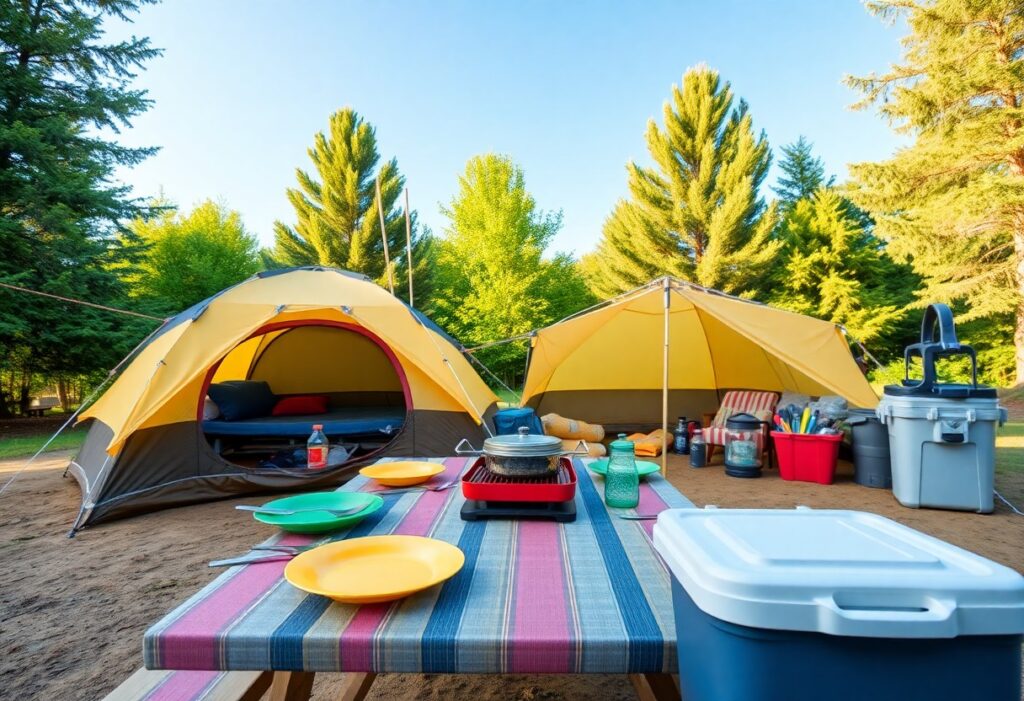
Many families find camping to be an enriching experience, yet it can also be overwhelming without the right preparation. By mastering imperative camping hacks, you can ensure a trip that keeps everyone safe and enjoyable. This guide will provide you with the best tips to streamline your packing, enhance your campsite setup, and manage potential challenges, allowing you to focus on what truly matters: creating lasting memories with your loved ones.
This guide will help you navigate the necessarys of family camping with practical hacks that can make your trip more enjoyable and less stressful. By focusing on the right gear, planning ahead, and utilizing smart techniques, you can ensure that your family bonds over nature without the usual headaches that come with camping. From packing efficiently to creating a fun environment, these tips will prepare you for an unforgettable outdoor adventure.
Key Takeaways:
- Plan meals in advance and pack pre-prepared food for convenience.
- Create a checklist for packing and setting up camp to ensure nothing is forgotten.
- Include recreational activities and group games to keep everyone engaged and entertained.
Key Takeaways:
- Plan meals in advance to simplify cooking and reduce waste while ensuring everyone enjoys their favorites.
- Keep a well-organized packing list to avoid forgetting vital gear and to maintain a stress-free setup at the campsite.
- Incorporate entertaining activities and games to keep the family engaged and create memorable experiences during the trip.
How-to Choose the Right Camping Gear
Choosing the appropriate camping gear is important for a successful trip. Start by assessing your family’s needs based on the location and duration of your stay. Consider factors like weather conditions, the age of your children, and the activities you plan to undertake. Aim for lightweight options that are easy to set up and pack, ensuring a hassle-free experience.
Essential Equipment
Your core camping gear must include a reliable tent, sleeping bags rated for the season, and a durable cooking system. Select a tent that provides ample space for your family, focusing on ones with good ventilation and easy assembly. Sleeping bags should be comfortable and reflect the temperature range you’ll encounter, while a portable stove or grill enables efficient meal preparation.
Comfort and Convenience Items
To enhance your camping experience, include comfort and convenience items like portable chairs, a high-quality cooler, and a camping lantern. These additions can significantly improve your outdoor living conditions and make your stay more enjoyable. Easy-to-pack items such as hammocks or inflatable pillows add a touch of luxury, allowing for relaxation after a day of adventure.
Investing in comfort and convenience items is about enhancing your family’s outdoor experience. For instance, portable chairs provide a cozy place to relax around the campfire, while a well-insulated cooler keeps perishable food fresh and drinks cold. A reliable camping lantern offers important illumination for evening activities, making it easier to navigate the campsite after dark. Small touches, like a portable charger or solar lights, can significantly boost your comfort and make your camping trip feel less like a chore and more like a vacation.
Planning Your Family Camping Trip
Effective planning is the backbone of a successful family camping trip, ensuring a seamless experience for everyone involved. Start by considering the needs and preferences of each family member, factoring in activities, dietary restrictions, and any special requirements. Always check the weather forecast and prepare accordingly; unfavorable weather can drastically affect your outing. Establish your budget early on to avoid overspending, allowing for necessary supplies and activities.
How to Choose the Perfect Campsite
Selecting the right campsite can make or break your camping experience. Look for a site that offers convenient access to amenities like restrooms and water, and consider the proximity to hiking trails or water bodies for recreation. Safety is paramount; avoid sites with hazardous wildlife activity or proximity to unstable ground. Make sure to read reviews and descriptions from other campers to ensure your chosen site meets your family’s needs.
Tips for Creating an Itinerary
An organized itinerary helps maximize your fun and ensures that everyone knows the plan. Include time for travel, meals, and various activities, allowing for flexibility between events. Prioritize necessary activities that cater to all family members, balancing adventure with relaxation. Simply jotting down a rough schedule can alleviate stress on-site, letting you focus on the experience itself.
- Create an itinerary that includes travel times and meal plans.
- Prioritize activities for all family members.
- Maintain flexibility for unexpected changes in plans.
- Thou shall not overlook the benefits of an organized schedule.
Creating a detailed itinerary can also smooth out potential conflicts during your trip. Assign specific roles or tasks to each family member, such as meal prep or leading a hike, to foster teamwork and shared responsibility. Incorporate buffer time for rest or unexpected discoveries along the way, enhancing the overall experience. The balance of structure and spontaneity will ensure everyone remains engaged and enthusiastic throughout your camping adventure.
- Assign roles to ensure participation from everyone.
- Incorporate buffer time for relaxation and exploration.
- Balance structure and spontaneity during your outings.
- Thou will find joy in sharing responsibilities to strengthen family bonds.
How-to Plan Your Camping Menu
Your camping menu should be simple yet satisfying to keep energy levels up during outdoor activities. Start by planning meals that are easy to prepare and can be cooked over a campfire or portable stove. Focus on incorporating fresh ingredients, as well as shelf-stable options like canned beans or pasta. Create a balanced mix of proteins, carbs, and vegetables to fuel your family, and always account for dietary restrictions or preferences. Planning ahead will save you last-minute stress and ensure everyone enjoys their meals.
Easy and Nutritious Meals
Opt for meals that require minimal preparation and can be made in one pot, such as stir-fries or foil packets. Incorporate whole grains like quinoa or brown rice, and protein-rich options such as chicken or tofu. Add colorful vegetables to enhance the nutritional value and flavor. These meals can be pre-prepped at home and quickly assembled at the campsite, allowing you to enjoy healthy food without the fuss.
Snacks and Treats for the Family
Snack time is imperative for keeping spirits high during your camping trip. Prepare a variety of healthy snacks like mixed nuts, granola bars, and fresh fruit that are easy to pack and eat. For treats, consider s’mores kits or trail mix for a fun, sweet boost that the whole family will enjoy. Having these ready will keep everyone satisfied and energized throughout your adventures.
Include a mix of both healthy snacks and festive treats to cater to different moods. Sliced veggies with dip or whole-grain crackers provide wholesome options, while chocolate-covered pretzels or gummy bears can be reserved for evenings by the fire. Pre-packaging snacks in resealable bags ensures easy access without excess mess, letting you focus more on enjoying the great outdoors together.
Packing Essentials for Family Camping
Prioritize packing necessarys to enhance your family camping experience. Bring a mix of practical gear like a tent, sleeping bags, and a portable stove, along with comforts such as camp chairs and games for downtime. Ensure you also have safety items like a first aid kit and a flashlight. The right packing prevents stress and maximizes enjoyment, making trips more memorable for your family.
How to Make a Family Camping Checklist
Creating a family camping checklist is vital to ensure you have everything you need. Start by categorizing items into groups such as clothing, cooking supplies, and personal items. Involve your family in the process by having them suggest items, ensuring everyone is prepared and excited. This collaborative effort helps you stay organized and reduces last-minute packing stresses.
Tips for Efficient Packing
Packing efficiently can save time and space, ensuring a smooth camping experience. Use packing cubes to organize smaller items and keep clothing sorted. Roll your clothes instead of folding them to maximize space in your bags. Prioritize items based on usage frequency, placing necessarys on top. Lastly, for bulky items, utilize the outdoor backpack to distribute weight evenly. Perceiving the layout of your gear will simplify setup and unpacking at your campsite.
- Packing cubes optimize space.
- Rolling clothes saves room.
- Organized layout simplifies access.
A well-thought-out packing approach makes a significant difference in your camping venture. Use compartments for different categories like food, gear, and personal items. Label your bins to easily identify contents, speeding up packing and setup. When camping with family, consider packing a shared communal bag for group items to minimize overlap. Perceiving the benefits of efficient packing leads to a more enjoyable camping experience for the whole family.
- Labeling bins aids organization.
- Shared bags cut redundancy.
- Group gear enhances efficiency.
Tips for Setting Up Camp Efficiently
To maximize your camping experience, focus on efficiency during setup. Begin by designating specific roles for each family member, ensuring that tasks are assigned based on age and ability. Create a dedicated spot for all gear to prevent searching through bags, and consider using color-coded storage bins for easy identification. When pitching your tent, scout a level area free of debris, and always practice the setup at home first. Assume that following these strategies transforms your campground into a home away from home. For additional guidance, check out Family Camping Made Easy: PLUS Free Printable Packing ….
Tent Setup Secrets
Invest in a pop-up tent for an effortless setup, especially if camping with young kids. Familiarize yourself with the tent’s features, including guylines, rainfly, and internal pockets for storing imperatives. Always secure the tent with stakes from the get-go to withstand unpredictable conditions. Additionally, bring a tarp to place under the tent for added protection against moisture, ensuring a comfortable night’s sleep.
Organizing Your Campsite
A well-organized campsite enhances your overall camping experience. Start by laying out different zones for cooking, sleeping, and relaxation. Use a portable table for meal prep and designate a cooking area away from the tent to prevent attracting insects. Store food securely in airtight containers or bear boxes and label them clearly. Keep your space tidy by establishing a ‘clean zone’ for gear and trash, promoting good camp hygiene. With zones in place, your campsite will serve as a peaceful oasis amidst nature.
When organizing your campsite, consider the flow of activities. A cooking zone should be set apart from play areas to ensure safety and reduce chaos. Utilize versatile gear like collapsible bowls for cooking and dining to save space. Brightly colored tarps or rugs can define spaces, helping everyone to know where items belong and making it easier to keep your campsite neat. Utilize clips or hooks to hang lightweight gear, and always encourage the family to put things back in designated spots after use. This simple habit makes packing up significantly quicker when your trip ends.
Cooking and Meal Preparation
How to Plan Family-Friendly Meals
Choosing family-friendly meals involves incorporating favorite dishes while ensuring nutritional balance. Plan meals that are simple, require minimal ingredients, and can be cooked in one pot. Think about options like tacos that allow everyone to customize their fillings or soup that rehydrates well. A well-planned menu reduces fuss and enhances enjoyment during your trip. For additional tips, check out 8 tips for stress-free camping – The Art of Simple.
Tips for Easy Cooking at the Campsite
To streamline cooking at your campsite, gather crucial cooking gear and prepare ingredients in advance. Use a portable grill or camp stove and consider pre-chopping vegetables and marinating proteins. Opt for one-pan meals to simplify clean-up, and pack biodegradable soap for quick washing. You’ll find that having a solid system in place is key to maintaining a relaxed atmosphere. This is where organization pays off.
- pack pre-chopped ingredients
- use one-pan meals
- minimize cleanup with biodegradable soap
Utilizing a well-thought-out cooking strategy not only saves time but also enhances the camping experience. Preparing meal kits at home helps you stay organized, allowing you to focus more on family time. Create simple, versatile recipes that can be altered based on ingredients available, making adjustments without too much fuss. This flexibility enables everyone to enjoy their favorites and keeps mealtime stress to a minimum.
- create meal kits
- limit ingredient variations
- keep mealtime flexible
Factors to Consider When Camping with Family
When camping with family, assess a variety of factors to ensure a memorable experience. Age, interests, and comfort levels of each family member play a vital role in choosing the right campsite and activities. Consider the weather and location too; both can significantly affect your trip. Look into crucial gear needs to make the outing enjoyable for everyone. This planning stems from understanding individual preferences and needs. For more tips, check out 5 Camping Hacks for Beginners and Pros.
Age and Interests of Family Members
Evaluating the age and interests of family members is crucial for selecting activities that everyone will enjoy. Younger children may prefer simple games, while teens might appreciate hiking or fishing. Balancing these preferences helps in planning schedules, ensuring everyone is engaged and happy. Having activities that cater to different age groups can transform a dull trip into an exciting adventure.
Safety Concerns and First Aid
Addressing safety concerns and preparing a solid first aid kit is non-negotiable when camping with family. Always familiarize yourself with basic safety procedures, such as identifying poisonous plants and local wildlife. Ensure that your first aid kit includes necessary supplies, such as adhesive bandages, antiseptics, and medication for common ailments. Having a plan for emergencies and ensuring easy access to help can mitigate risks and enhance your peace of mind.
Adequate preparation around safety can make a significant difference during your camping experience. For instance, knowing CPR and carrying a first aid manual can help you manage injuries effectively. Ensure that each family member knows emergency contact information and how to reach help if needed. Being well-prepared lowers anxiety and enhances the overall enjoyment of your time spent in nature.
Comfort and Safety Considerations
Your family’s well-being is paramount during camping adventures. Prioritize comfort by selecting the right gear and ensuring that sleeping arrangements provide sufficient warmth and support. For valuable insights on must-have camping gear and setup tips, check out What are must-have camping gear and setup tips for a …. Understanding safety risks, such as wildlife encounters and weather changes, enhances your overall camping experience.
How to Select Proper Gear for All Ages
Choosing suitable gear for every family member is imperative. Children need smaller-sized equipment, while adults should choose durable items. Look for lightweight tents and sleeping bags that cater to various ages, ensuring everyone stays cozy at night. Select portable cooking tools that accommodate family meals, allowing you to easily prepare food for young and old alike. Invest in layers for young kids to manage temperature fluctuations, keeping them comfortable.
Tips for Keeping the Family Safe
Safety in the great outdoors stems from preparation. Ensure everyone carries a personal first aid kit stocked with imperatives, including band-aids, antiseptics, and allergy medication. Familiarize your family with basic camping safety rules, such as not approaching wild animals and staying on marked trails. Keep an eye on younger ones, and establish a meeting point should anyone get lost in the woods. Thine attention to detail will enhance your family’s experience.
- Establish safety protocols before departure.
- Ensure access to a first aid kit.
- Foster awareness of a safe meeting point.
- Monitor younger campers closely throughout the trip.
Staying vigilant is key while enjoying nature. Be aware of sudden weather changes, and provide each family member with a whistle for emergencies. A good rule of thumb is to designate one adult responsible for safety briefings every morning. This keeps everyone informed and ready. Maintain a watchful eye for hazard signs, like unstable trees or animal tracks, and schedule regular headcounts. Thou shall find peace of mind in preparation.
- Encourage active safety discussions before activities.
- Utilize checklists for packing imperative gear.
- Adhere to safety measures when near water or fire.
- Document emergency contacts for easy access.
How-to Keep the Kids Entertained
Keeping kids entertained during a family camping trip is vital for a smooth experience. Activities can range from simple games to nature-based explorations, ensuring everyone stays engaged. Consider creating a flexible schedule that allows for downtime and spontaneous fun, helping your kids to feel excited and involved throughout your adventure.
Games and Activities
Introduce classic camping games like scavenger hunts, capture the flag, or flashlight tag to keep the energy high. Provide each child with a list of items to find in nature, encouraging teamwork and creativity. You can also set up a family talent show by the campfire, allowing everyone to showcase their skills while promoting bonding and laughter.
Nature Exploration Ideas
Encouraging your kids to explore nature can turn ordinary hikes into unforgettable experiences. Equip them with binoculars for bird watching, or a magnifying glass for examining plants and insects, allowing them to connect with the environment in a hands-on way.
Plan specific exploration activities like a nature journal where kids can document their findings, or a “sound map” where they identify various noises in the woods. You could arrange a guided nature walk to learn about local flora and fauna, making it both educational and entertaining. Incorporating interactive scavenger hunts that require spotting wildlife or collecting unique leaves also deepens their appreciation for the natural world, fostering curiosity and adventure.
Activities to Keep the Family Engaged
Engaging your family in outdoor activities transforms a camping trip into an unforgettable adventure. Simple ideas such as hiking, fishing, or stargazing not only foster connection but also promote physical activity. Explore inspirations for your next trip in this Minimalist camping: a guide for low stress family adventures.
How to Plan Fun Outdoor Activities
Start by asking everyone in the family about their interests and what activities they would enjoy. Create a mix of structured activities, like treasure hunts or nature trails, and free time, allowing opportunity for spontaneity. Use your campsite as the launching pad for exploration, integrating nearby attractions to maximize excitement.
Tips for Improving Family Bonding
To enhance family bonding during camping trips, focus on shared experiences and communication. Encourage group activities like cooking meals together, storytelling around the fire, or playing games. These moments build memories and strengthen relationships, making your time away more rewarding. Recognizing the personal contributions of each family member fosters a supportive atmosphere.
- shared experiences lead to lasting memories
- communication during activities enhances connections
- teamwork boosts collaboration and fun
Encouraging everyone to contribute to meals or campsite chores fosters a sense of belonging. Share stories and laughter at mealtime, illustrating how simple interactions build deeper connections and enrich your camping experience. Recognizing this shared effort amplifies family ties and creates a supportive environment.
- contribution from everyone builds belonging
- storytelling fosters connection
- simple interactions enrich experiences
Dealing with Challenges
Every camping trip presents unique challenges, but facing them head-on ensures a memorable experience. You can navigate unexpected situations, whether it’s inclement weather or family dynamics, with proper planning and positive thinking.
How to Handle Bad Weather
When unpredictable weather strikes, be prepared with a solid plan. Keep a waterproof tarp on hand to create a dry area for cooking or gathering. Invest in weather-resistant gear, and always have a backup plan for activities indoors. A good attitude will help everyone stay positive despite the rain.
Tips for Managing Family Stress
Camping can intensify family dynamics, but simple techniques help ease tension. Schedule breaks throughout the day for individual downtime and maintain open communication to address concerns as they arise. Setting realistic expectations around activities and downtime prevents overwhelm and promotes sharing enjoyable experiences. Recognizing family stress allows you to adjust your plans, ensuring everyone has a good time.
- individual downtime
- open communication
- realistic expectations
- adjust plans
Identifying triggers for family stress during camping ensures a smoother trip. Encourage everyone to express their needs, whether it’s taking a quiet moment or switching activities. Planning group discussions can foster connection and understanding, enhancing the family bonding experience. Over time, you’ll learn what works best for your unique family dynamics. Recognizing stress points enables proactive measures for future outings.
- triggers
- quiet moment
- group discussions
- proactive measures
Tips for Managing Camping Challenges
Anticipating and managing potential camping challenges ensures a smoother family experience. Here are practical tips you can implement:
- Pack a first-aid kit for emergencies.
- Designate a bad weather plan.
- Practice patience with kids in nature.
- Use eco-friendly insect repellents to minimize irritants.
- Bring activities for entertainment during downtime.
Assume that each trip will have its hurdles, so check out 8 tips for stress-free camping – The Art of Simple for additional strategies.
Weather Preparedness
Weather can shift unexpectedly during your trip, so prepare for all possibilities. Keep an eye on the forecast before and during your stay. Pack waterproof gear and layers to stay comfortable. Also, ensure your tent is properly set up to handle high winds and rain. A durable tarp can provide added protection, keeping you dry and secure in sudden storms.
Dealing with Mosquitoes and Wildlife
Preventing mosquito bites and unwanted wildlife encounters is necessary for a pleasant camping experience. Use insect repellent containing DEET or natural alternatives and wear lightweight, long-sleeved clothing at dusk. To deter wildlife, secure food in bear-proof containers and keep your campsite clean. Ensure to adopt a consistent routine when cooking and disposing of waste to minimize attracting animals.
Consider specific locations or circumstances that heighten mosquito activity or wildlife encounters, like proximity to water sources or dense forests. Setting up camp away from these hotspots can significantly reduce nuisances. Utilize natural repellents, such as citronella candles, to create a barrier against pests. Fostering a clean, organized campsite further prevents attracting curious animals, ultimately keeping your family safe and your camping experience enjoyable.
Summing up
Now that you have a solid grasp of family camping importants and simple hacks to ensure a stress-free trip, you can confidently launch on your next outdoor adventure. By prioritizing organization, planning meals, and involving your family in preparations, you create an enjoyable experience for everyone. Embrace the great outdoors while keeping these tips in mind, ensuring that each camping trip becomes a cherished memory filled with laughter and bonding.
To wrap up
Ultimately, mastering family camping importants through simple hacks can transform your outdoor experience into a stress-free adventure. By implementing strategies for organization, meal preparation, and entertainment, you enhance your trip’s enjoyment while minimizing potential challenges. Equip yourself with the right gear, consider the unique needs of your family, and embrace the natural world together. With these practical tips, you’ll create lasting memories and inspire a love for the great outdoors in your loved ones.