
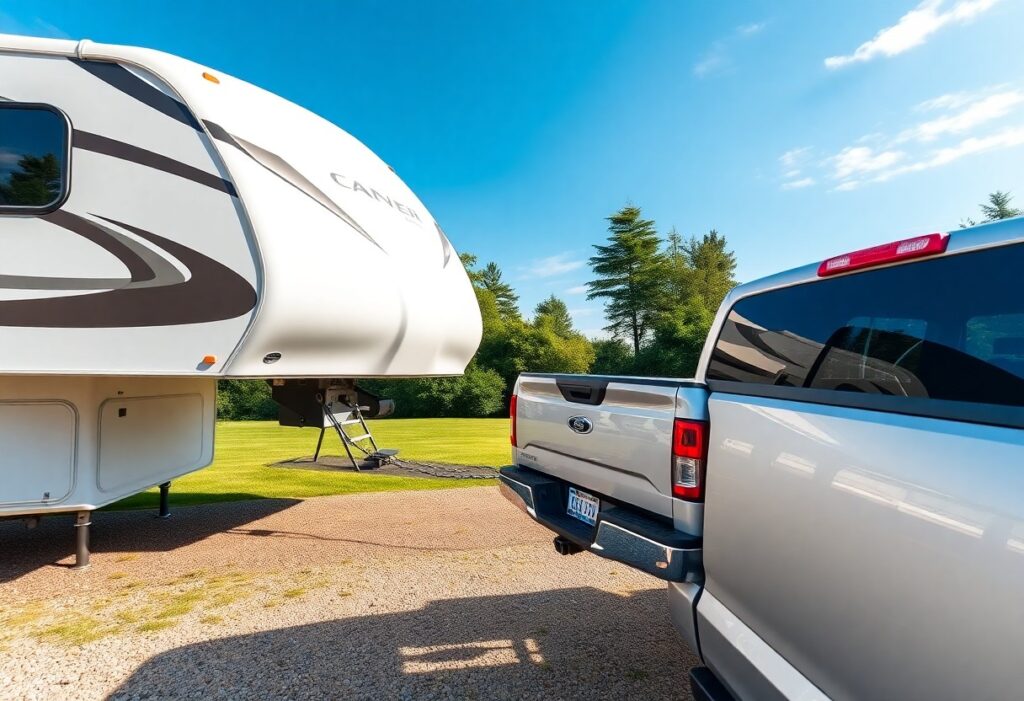
You need to understand the fundamentals of safe towing to ensure your RV camping experience is enjoyable and incident-free. The right techniques and precautions can make the difference between a smooth journey and a dangerous situation. By mastering the basics of load distribution, braking systems, and vehicle compatibility, you will be equipped to handle your towing responsibilities with confidence. This guide will walk you through crucial safety tips and best practices that every beginner should know before hitting the road.
Key Takeaways:
- Understand the weight limits of both your vehicle and trailer to ensure safe towing practices.
- Familiarize yourself with the necessary towing equipment, including hitches, safety chains, and braking systems.
- Practice driving and maneuvering with your trailer in a safe area before hitting the road.
Understanding Towing Basics
Towing involves more than just hooking up your trailer to your vehicle; it requires a solid grasp of several fundamental elements. Knowing your vehicle’s towing capacity and trailer weight is important for safe travel, as exceeding these limits can lead to serious handling issues. Additionally, familiarizing yourself with the basics of weight distribution, tow hitch types, and towing accessories will greatly enhance your RV camping experience.
Types of Tow Vehicles
Selecting the right tow vehicle directly affects your towing performance. The most common types include trucks, SUVs, and vans. Each option varies in towing capacity, configuration, and suitability for specific trailers.
- Trucks: Excellent for heavy loads and off-road conditions.
- SUVs: Versatile with decent towing capacity.
- Vans: Optimal for families needing spacious interiors.
- Compact Vehicles: Generally not suited for heavy towing.
- Electric Vehicles: Emerging options with unique benefits.
Any choice should depend on your specific towing needs and the type of RV you plan to use.
| Tow Vehicle Type | Towing Capacity Range |
| Light-Duty Truck | 5,000 – 12,000 lbs |
| SUV | 3,500 – 8,500 lbs |
| Full-Size Van | 6,000 – 11,000 lbs |
| Compact SUV | 1,500 – 5,000 lbs |
| Electric Vehicle | 1,000 – 10,000 lbs |
Weight and Load Considerations
Effectively managing your trailer weight and load is vital for safe towing. This includes not only the weight of the trailer but also the cargo you intend to carry. Understanding the Gross Vehicle Weight Rating (GVWR) of your trailer ensures you never exceed your vehicle’s limits. Proper weight distribution, along with strategic loading, can help maintain stability on the road.
A trailer’s weight affects handling characteristics significantly. Overloading your tow vehicle can lead to reduced braking ability, increased tire wear, and riskier handling, especially in adverse weather conditions. The tongue weight should ideally be 10-15% of the total trailer weight to ensure balance. Conducting proper weighing at a certified scale before hitting the road helps you stay within safety limits. Always account for additional gear and supplies when calculating your total weight. If in doubt, consult your vehicle’s owner manual and seek expert advice. Your safety is the top priority on any road trip.
Safety Tips for Towing
When towing, your safety and that of others on the road depend on a few key practices. Always ensure your trailer is properly aligned with your vehicle, check that your brake lights and turn signals function correctly, and confirm the weight limits for both your hitch and vehicle. Regular maintenance of your towing equipment can prevent unexpected issues. Thou can also increase your safety knowledge by exploring the Official RV 101® Guide – Trailer Towing Myths, Weights & ….
Securing Your Load
Your load must be securely fastened to avoid swaying during travel. Use quality tie-downs and straps to keep everything in place. Make sure to check the weight distribution and balance your load to maintain handling and stability.
Proper Equipment Usage
Utilizing the right equipment significantly enhances your towing experience. Ensure that you have the appropriate hitch rating that matches your trailer‘s weight. A weight-distributing hitch can improve vehicle stability by distributing the trailer’s weight across all axles. Additionally, check that your brakes and mirrors are suitable for towing size and weight. Prioritizing these tools not only boosts handling but also enhances safety on the road.
Factors to Consider Before Towing
Before hitting the road, consider several factors that impact your towing experience. Evaluate your vehicle’s towing capacity, the weight of your trailer, and any necessary hitch equipment. Additionally, take into account the braking system of your trailer and ensure it is compatible with your tow vehicle. Visit RV Towing 101: Tips, Advice, and Information to Keep You … for detailed insights. Perceiving these factors will help ensure a smooth towing experience.
Vehicle Compatibility
Confirming the compatibility of your vehicle with the trailer is important. Your vehicle’s engine power, transmission, and suspension should support the weight of the trailer you intend to tow. Check the manufacturer’s specifications to avoid exceeding your vehicle’s towing capacity, which could lead to mechanical failure and unsafe driving conditions.
Terrain and Weather Conditions
Assessing the terrain and weather conditions is vital for a successful towing journey. Steep inclines, rough roads, or adverse weather can greatly affect your towing performance. Factors like rain, snow, or high winds can reduce traction and stability. Proper preparation can mitigate these risks, enhancing safety for you and your passengers.
When planning a route, consider the road conditions you may encounter. For instance, mountainous regions will require greater horsepower, especially when descending steep grades. Make sure to familiarize yourself with the terrain to adjust your driving speed accordingly. Routes affected by poor weather, such as heavy rain or snow, necessitate lower speeds; maintain increased following distances and utilize your trailer’s braking system effectively. Being aware of terrain and weather enhances your towing safety and overall experience.
Preparing for Your Trip
Before heading out on your RV adventure, thorough preparation is imperative for a smooth journey. Ensure all your equipment is in good condition, check your towing setup, and do a proper inspection of your vehicle and trailer. For more in-depth tips, visit RV Education 101.
Pre-Trip Checklist
Create a pre-trip checklist to keep organized and ensure you don’t forget anything. Include items like checking tire pressure, fluid levels, battery status, and securing all cargo. This systematic approach minimizes the risk of issues on the road and enhances your overall safety.
Planning Your Route
Effective route planning is key to a hassle-free RV trip. Take the time to select a route that accommodates your vehicle’s height and width, avoiding restrictions on low bridges or narrow roads. Consider using GPS apps that cater to RV travel and highlight suitable campgrounds along the way.
Planning your route involves not only identifying the best paths but also preparing for potential challenges. Research camping spots in advance, accounting for availability and amenities. Look into weather conditions, road construction, and potential detours that could affect your travel time. With a well-thought-out plan, you can anticipate and adapt to changes, ensuring a more enjoyable experience on the road.
Driving Techniques for Towing
In the matter of towing, mastering your driving techniques is necessary for safety and control. You need to adjust your speed, maintain a safe following distance, and be aware of your vehicle’s limits. Keep in mind that towing a heavier load requires slowing down for turns and allowing for longer stopping distances. Anticipate road conditions and use your mirrors frequently to ensure awareness of your trailer’s position.
Maneuvering and Turning
Precise maneuvering and turning are critical when towing. As you approach turns, make wider arcs to accommodate the trailer’s length. Use your turn signals well in advance and be cautious of your surroundings, particularly in tight spaces. Practice backing up in a safe area, utilizing your side mirrors to align and adjust the trailer as needed.
Braking and Stopping
Effective braking while towing requires a different approach than standard driving. Your stopping distance increases, so it’s necessary to begin braking earlier than usual. Utilize your trailer brakes if equipped, as this can enhance stability. Avoid sudden stops, which can cause sway or loss of control.
When towing, a significant factor is the added weight, which results in an increased stopping distance-sometimes as much as 40% longer. To counteract this, you should ideally drive with a trailer brake controller, allowing you to modulate braking force for the trailer independently. Keep a steady foot on the brake pedal and avoid abrupt maneuvers, as these can lead to trailer sway. Staying aware of traffic and anticipating stops well in advance will ensure you maintain a safe and controlled stop while keeping both your vehicle and your trailer secure.
Troubleshooting Common Issues
Encountering issues while towing your RV can be stressful, but knowing how to troubleshoot can keep you safe and get you back on the road quickly. Whether you’re grappling with swaying, experiencing mechanical failures, or dealing with tire problems, staying calm and methodical will help you handle these situations effectively. Always carry crucial tools and knowledge of your RV’s systems to address issues as they arise.
Dealing with Sway
Sway can be unsettling, but it’s often preventable with proper hitching and weight distribution. If you experience swaying, gently reduce your speed and avoid sudden steering inputs. Installing a weight distribution hitch and sway control devices can significantly improve stability by redistributing the weight more evenly across your towing setup.
Handling Mechanical Problems
Mechanical problems can manifest unexpectedly while towing, causing potential safety hazards. Stay vigilant for warning signs like unusual noises, loss of power, or changes in handling. Regular maintenance checks, including inspecting brakes, tires, and hitch connections, will help you identify issues early. Should problems occur, safely pull over to diagnose the issue and consult your RV’s manual for troubleshooting steps.
When handling mechanical problems, equip yourself with basic tools and a roadside assistance plan for emergencies. Common issues may include brake failures, overheating, or electrical malfunctions. For instance, if your brakes are unresponsive, check the brake fluid levels and inspect for leaks. In some cases, a loose battery connection can cause electrical failures; ensure all connections are secure. Knowing these quick fixes can save time and enhance your safety while on the road.
Summing up
With this in mind, safely towing your RV requires understanding your vehicle’s limits, proper equipment, and best practices for handling various conditions. By familiarizing yourself with the towing process, conducting thorough inspections, and practicing driving techniques, you can enhance your experience and minimize risks. Prioritize your safety and that of others on the road by continuously educating yourself and adapting to new challenges. Embrace the journey as you create unforgettable memories on your RV camping adventures.