
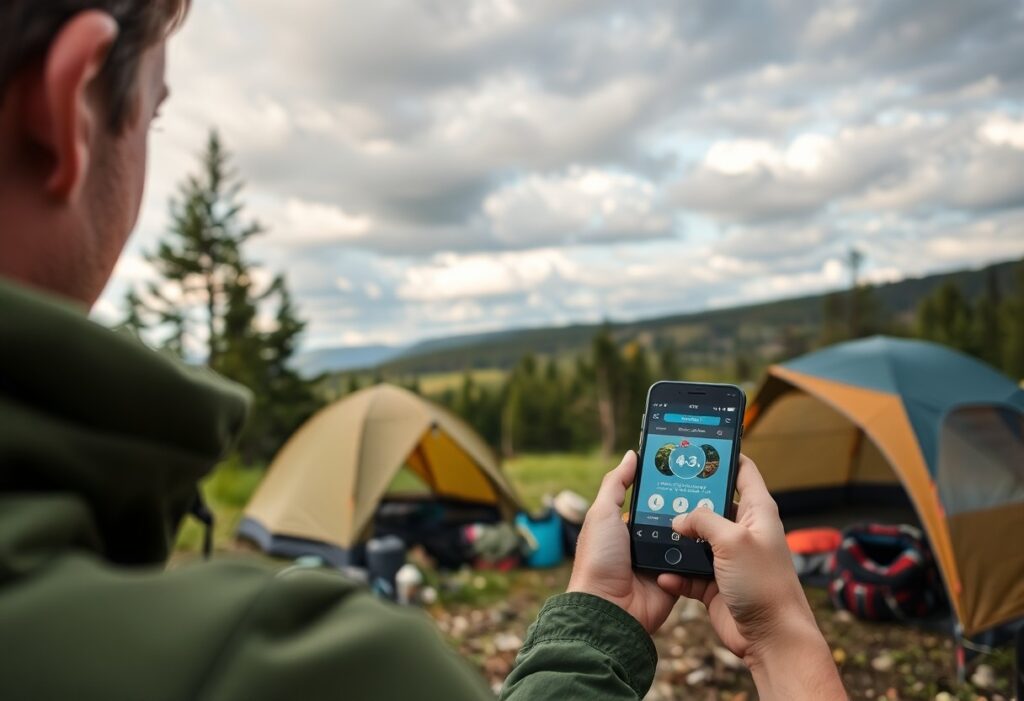
Many outdoor enthusiasts often overlook the importance of staying informed while camping. Utilizing tools like Skywarn and local alerts can significantly enhance your safety by providing real-time weather updates and emergency notifications. By staying vigilant and making use of these resources, you can protect yourself from potential hazards, ensuring a secure and enjoyable camping experience. This guide will equip you with imperative strategies to effectively monitor conditions and respond appropriately, allowing you to fully embrace the beauty of nature while prioritizing your well-being.
Key Takeaways:
- Utilize Skywarn to receive real-time weather updates, which can help anticipate dangerous conditions.
- Stay informed through local emergency alerts for immediate information on severe weather or hazards in your area.
- Establish a communication plan with your camping group to ensure everyone is aware of alerts and safety procedures.
Understanding Skywarn
What is Skywarn?
Skywarn is a voluntary program that connects trained weather spotters with the National Weather Service (NWS) to report severe weather conditions. By joining this network, you contribute valuable observations, which help meteorologists issue timely warnings and improve forecasts. Your involvement can make a difference in protecting your community during dangerous weather events.
How Skywarn Works in Bad Weather Alerts
Skywarn operates by utilizing trained volunteers who report hazardous weather phenomena such as tornadoes, hail, and flooding directly to the NWS. These spotters provide real-time data, which the NWS uses to issue alerts and warnings for the public. By staying updated through local Skywarn communications, you’ll receive critical information to keep yourself safe during outdoor activities.
During severe weather events, Skywarn spotters track and report significant weather developments. This timely relay of information informs the NWS, which can issue alerts more quickly than traditional forecasting methods permit. With live data from spotters across regions, you gain access to localized and accurate updates, ensuring you are aware of impending dangers such as rapid storm development or severe thunderstorms. Engaging with Skywarn means you are part of a proactive approach to weather safety, contributing to your own protection and that of others around you.
Setting Up Local Alerts
Preparing for outdoor adventures involves knowing how to set up local alerts effectively. This ensures you are alerted to changing weather conditions or emergencies in your vicinity. Utilize local weather apps, NOAA weather radios, and community alert systems to receive timely updates. By integrating multiple sources, you can create a comprehensive safety net that keeps you informed while enjoying the great outdoors.
Choosing the Right Alert Systems
Selecting the right alert systems is vital for staying informed. Focus on reliable options such as smartphone apps, wireless emergency alerts, or local emergency management services. Popular apps like The Weather Channel or AccuWeather provide personalized alerts tailored to your specific region, ensuring you receive pertinent notifications quickly.
Customizing Notifications for Your Location
Adjusting notification settings can enhance the effectiveness of alerts. Configure your chosen apps to deliver updates based on your exact camping location rather than general area codes. This tailored approach means you receive warnings relevant to your campsite, increasing your ability to respond to immediate threats.
Customizing notifications for your location not only connects you to pertinent weather conditions but also allows you to prioritize types of alerts based on your activities. For instance, if you’re hiking in a remote area, setting notifications for severe thunderstorms, flash floods, and tornado watches will be beneficial. Take advantage of geolocation features in apps that pinpoint your coordinates and notify you of threats before they reach your vicinity, ensuring an added layer of safety during your outdoor excursions.
Factors to Consider When Camping
When planning your camping trip, several factors can significantly affect your experience. You should consider weather forecasts, campsite location, local wildlife, and your physical readiness. Each of these elements can determine the safety and enjoyment of your trip. Assessing the environment helps you prepare properly, addressing any potential hazards. This includes consulting resources like the Campground Weather-Ready Checklist.
Weather Patterns and Forecasting
Understanding weather patterns is vital for a safe camping experience. You should monitor local forecasts and be aware of how quickly conditions can change. Seasonal variations can impact temperature, precipitation levels, and the likelihood of severe weather. Utilize Skywarn alerts to receive timely updates, keeping you informed on impending weather threats while you’re out in the field.
Terrain and Environmental Risks
The terrain where you camp can present various risks such as steep inclines, loose rocks, or quickly flowing water. Before setting up camp, you should familiarize yourself with the surroundings, as certain areas may be prone to landslides or flash floods. Additionally, understanding the local flora and fauna is important to avoid hazardous plants like poison ivy or dangerous wildlife encounters.
Taking time to study the terrain and environmental risks can enhance your safety and preparedness. For instance, campsites near water may offer scenic beauty but also heighten the risk of unexpected flooding during storms. Always ensure your tent is pitched on stable ground, away from potential hazards like dead trees that could fall during high winds or flash floods. Additionally, researching local wildlife can help you prepare for encounters-consider taking bear-proof containers if traveling in bear-populated areas. The key is to stay alert and adaptive to the conditions around you.
Tips for Staying Alert Outdoors
Staying alert while camping is crucial for your safety and enjoyment. Implement these strategies:
- Monitor weather updates regularly.
- Keep your gear organized for quick access.
- Stay hydrated to maintain energy levels.
- Develop a buddy system for added vigilance.
- Know local wildlife and hazards.
The integration of these practices can significantly reduce risks. For insights on weather-related safety, refer to Understanding Weather Safety Conditions.
Using Mobile Apps for Real-Time Updates
Utilizing mobile apps allows you to receive real-time alerts about changing weather conditions. Various apps provide notifications about storms, temperature drops, and other critical weather events that may impact your camping experience. Accessing these updates helps you make informed decisions swiftly.
Communicating with Fellow Campers
Establishing effective communication with your camping companions is vital for safety. Assign roles for monitoring weather and conditions, ensuring everyone is informed and aware. Encourage open dialogue about safety concerns and share insights from real-time updates you receive.
By setting clear communication methods, such as using walkie-talkies or group messaging apps, you enhance your group’s safety. Regular check-ins can prevent anyone from feeling isolated or uninformed about potential dangers nearby. Make sure each camper knows what to do in case of an emergency, creating a supportive environment that promotes vigilance.
Best Practices for Emergency Preparedness
Being prepared for emergencies enhances your safety while camping. Keep a weather radio or an app handy to receive real-time updates and alerts. Ensure you know the nearest safe structures, as when a Safe Building or Vehicle is Nearby, it can significantly reduce risks from severe weather. Familiarize yourself with local terrain and potential hazards, which will aid in making informed decisions during unexpected situations.
Creating a Safety Plan
Your safety plan should outline communication strategies and designated meeting points in case you become separated from your group. Include the contact information for friends or family who can be alerted in case of an emergency. Familiarize yourself with first aid procedures and ensure that everyone in your party understands them. This preparation can make all the difference in a critical moment.
Essential Gear for Weather Changes
As fickle as the outdoors can be, carrying the right gear for unexpected weather changes is vital. Invest in a good-quality rain jacket, thermal layers, and portable shelter options to keep you dry and warm. A weatherproof backpack that fits your supplies and an emergency blanket can also make your adventure more comfortable, regardless of forecasts.
Consider packing items like a multi-functional tool, portable charger, and extra food and water. A lightweight poncho can easily fit into your bag for sudden rain, while thermal layers keep your body temperature stable during chilly nights. Having weather-specific gear not only ensures comfort but can also help prevent serious health risks associated with exposure. Make informed choices about what to carry, and your camping experience will be safer and more enjoyable.
Maintaining Awareness while Camping
Staying vigilant while camping ensures your safety in changing conditions. Keep an eye on your surroundings, listen for unusual sounds, and engage with fellow campers. Establish routines, such as checking the time regularly, to maintain a sense of the day’s progression and potential weather shifts.
Regularly Checking Alerts
Make it a habit to check weather alerts throughout the day. Use your weather radio or a dedicated app; ensure notifications for storms, temperature drops, or severe weather events are activated so you receive timely updates. You can save lives with this proactive approach.
Recognizing Signs of Impending Weather
Develop the ability to identify natural indicators of changing weather. Watch for shifts in wind direction, sudden drops in temperature, or darkening skies, all of which may signal an approaching storm. You can often predict weather changes before they become hazardous.
When observing the environment, notice the behaviors of wildlife-birds might become quiet or seek shelter, while insects may become active right before a rainstorm. Sudden wind gusts or rolling clouds can suggest an incoming storm. Familiarizing yourself with these signs enhances your situational awareness, allowing you to prepare or seek shelter before conditions worsen.
Summing up
So, by utilizing Skywarn and local alerts, you can significantly enhance your outdoor safety while camping. Stay informed about weather conditions and potential hazards in your area, allowing you to make timely decisions that protect you and your loved ones. Regularly check updates and notify others in your group of any important changes. With proactive measures and awareness, you can comfortably enjoy your camping experience while staying alert to your surroundings.