
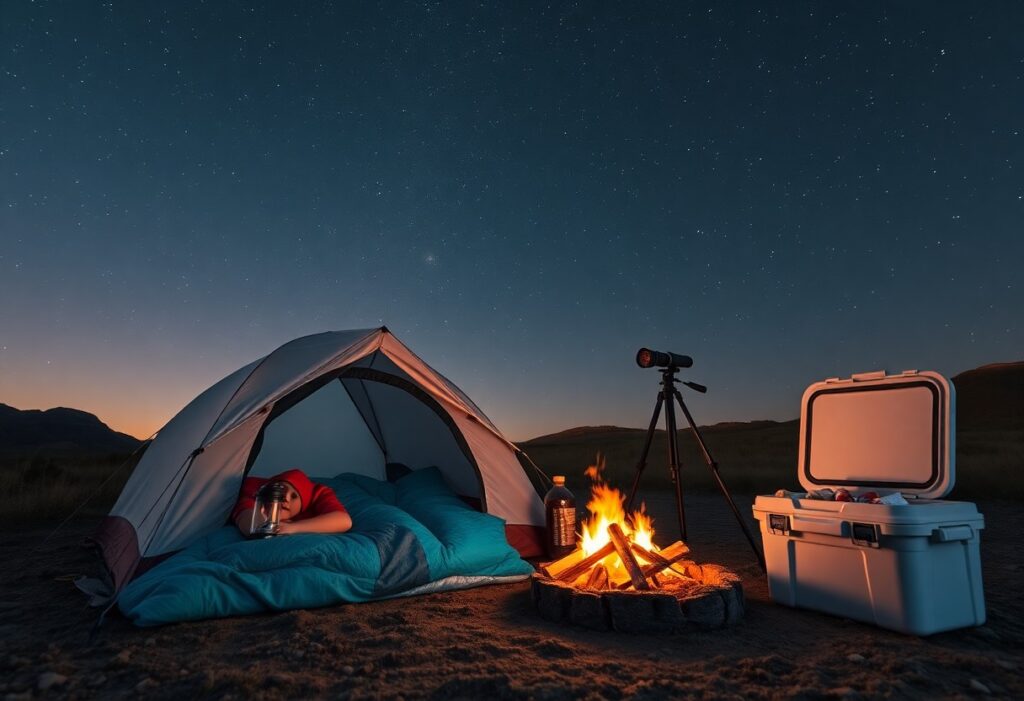
Stargazing can be a magical experience, but without proper preparation, your dark sky camping weekend might fall short. To truly enjoy the beauty of the night sky, you’ll need to consider gear, location, and safety measures thoroughly. This guide will equip you with important tips to maximize your enjoyment and keep you safe while you explore the cosmos. Get ready to immerse yourself in an unforgettable weekend under the stars!
Key Takeaways:
- Choose a campsite away from city lights to fully experience darkness and visibility of stars.
- Pack vitals including a telescope or binoculars, a blanket, and warm clothing for nighttime temperatures.
- Check weather conditions in advance to select a clear night and enhance stargazing opportunities.
Understanding Dark Sky Locations
Choosing the right dark sky location is important for an exceptional stargazing experience. Ideal sites feature low light pollution, high elevation, and clear atmospheres. When assessing locations, consider regional factors such as weather patterns, air quality, and accessibility to enhance your nightly adventure beneath the cosmos.
What Makes a Location Ideal for Stargazing
An ideal stargazing location distills various elements: minimal artificial light, adequate elevation to reduce atmospheric distortion, and clear skies free from clouds and haze. Look for areas away from urban centers, often in rural landscapes, where the vastness of the night sky reveals incredible celestial wonders.
Top Dark Sky Parks to Consider
Some notable dark sky parks include the Grand Canyon-Parashant National Monument in Arizona, where the altitude enhances visibility; Cherry Springs State Park in Pennsylvania, renowned for its near-perfect conditions; and Aoraki Mackenzie International Dark Sky Reserve in New Zealand, offering breathtaking views of the Southern Hemisphere constellations. Choosing any of these sites guarantees exceptional stargazing experiences, each providing its unique perspective on the universe.
Planning Your Camping Trip
Start by gathering vital information on the best practices for a successful dark sky camping experience. Utilize resources like the Dark Sky Trip Guide to ensure you cover all bases, from equipment to safety precautions.
Choosing the Right Time of Year
Timing your trip is vital for optimal star visibility. Late spring to early fall generally offers the best conditions, as extended daylight hours and milder weather create a comfortable environment for stargazing. Aim for new moon phases to minimize moonlight interference and maximize your view of celestial phenomena.
Making Reservations and Permits
Securing your campsite in advance is vital, especially at popular dark sky locations. Many parks require reservation and might have specific permit requirements. Always check the park’s website for deadlines and fees, as failure to comply may result in denied access.
For example, national parks like Big Bend in Texas and Cherry Springs in Pennsylvania have limited availability and strict reservation protocols. Some areas may also have special dark sky permits or fees for stargazing events, which can enhance your experience. Research each location’s requirements well before your trip to avoid last-minute complications and ensure a smooth adventure under the stars.
Essential Gear for Dark Sky Camping
To fully enjoy the beauty of a dark sky, specific gear is important. Invest in a high-quality telescope for deep sky observation, and pack a sturdy star chart or app to navigate the constellations. Don’t forget a comfortable sleeping bag rated for cooler temperatures, along with a flashlight featuring a red filter to preserve night vision. A weatherproof tent will keep you secure from the elements, and additional layers of clothing will ensure your comfort during the chilly night hours. For further insights, check out Dark Sky Camping: Best Tips & Places to Go.
Camping Equipment Checklist
Your camping equipment checklist should include a reliable tent, sleeping pad, and warm clothing. Prioritize having a portable camp stove for cooking, durable cookware, and plenty of food and water. Additionally, packing a first-aid kit, bug spray, and sunscreen will help ensure your health and comfort. A chair or lightweight blanket for lounging while you stargaze can also make a significant difference.
Photography Gear for Capturing the Stars
To capture the stunning celestial sights, select a DSLR or mirrorless camera with manual settings. A sturdy tripod is mandatory to prevent shake during long exposures. Invest in a lens with a wide aperture, preferably f/2.8 or quicker, to allow ample light. Consider bringing a remote shutter release for added stability and experimentation with long-exposure photography techniques, ensuring you preserve breathtaking images of the night sky.
For truly stunning astrophotography, you might also want to explore using a telescope adapter to connect your camera directly to the telescope. This increases magnification and allows you to capture detailed images of celestial bodies like the moon or distant planets. Depending on the equipment you choose, it can transform your starry captures, giving you opportunities to showcase the beauty of the cosmos like never before. Additionally, practice your settings before your trip to understand how to achieve the best quality in low-light conditions.
Tips for a Successful Stargazing Experience
To enhance your stargazing weekend, consider these necessary tips. First, check the weather forecast to ensure clear skies. Arrive early to allow your eyes to adjust to the darkness, which takes about 20 minutes. Avoid using your phone’s bright screen; instead, utilize a red flashlight to preserve your night vision. Bringing a comfortable blanket or chair will keep you relaxed while you explore the night sky. Also, dress in layers as temperatures can drop significantly at night. Thou shall prioritize these tips for optimal enjoyment.
Best Practices for Viewing the Night Sky
When you’re viewing the night sky, specific practices can elevate your experience. Choose a spot away from light pollution, such as urban areas or excessive streetlights. Allow your eyes to adapt to darkness without peeking at light sources. Use binoculars or a telescope for clearer visuals of celestial bodies. Maintain a calm atmosphere by minimizing noise and distractions. Being patient as the sky reveals its wonders is necessary; some celestial events may take time to emerge.
How to Use Apps for Stargazing
Utilizing stargazing apps can significantly enhance your exploration of the universe. Many apps, like SkyView and Star Walk, allow you to identify constellations, planets, and other astronomical phenomena simply by pointing your device at the sky. These apps often include augmented reality features, helping you visualize the night sky above and providing detailed information about celestial objects. Some even offer notifications for upcoming events like meteor showers or eclipses, ensuring you never miss a significant moment.
By leveraging stargazing apps effectively, you can maximize your experience under the stars. These tools will guide you through the intricacies of the night sky and improve your overall knowledge of astronomy. Ensure you familiarize yourself with your chosen app before heading out, as this knowledge will enable a seamless, engaging experience. Consider adjusting settings for optimal viewing at night, including enabling night mode to minimize light interference. Whatever your goals are for your stargazing adventure, these apps will support your journey. Thou shall always embrace the digital tools at your disposal.
Safety and Comfort Considerations
Ensuring both safety and comfort during your dark sky camping adventure is fundamental for an enjoyable experience. Assess the local weather conditions, turn off all lights to minimize light pollution, and equip yourself with a reliable first aid kit. Plan your campsite layout to avoid hazards and familiarize yourself with local wildlife, which may pose risks. For additional insights, visit How To Improve The Experience Of A Dark Sky Camping.
Staying Safe in the Wilderness
Your safety in the wilderness begins with being prepared. Always carry a map and compass, and understand how to use them. Secure your food to avoid attracting wildlife, and familiarize yourself with the area’s emergency resources. Sturdy footwear and clothing appropriate for the terrain will enhance your mobility and protection, while maintaining awareness of your surroundings is crucial. While you can appreciate nature, it’s important that you also assess potential dangers.
Comfort Tips for a Cozy Camping Experience
To enhance your comfort while camping under the stars, invest in a quality sleeping bag that’s rated for the temperatures you expect. A good sleeping pad adds significant insulation and cushioning, ensuring a comfortable night’s sleep. Portable camp chairs can be handy for sitting around the fire while enjoying the view. Pack extra layers and keep cozy blankets close. Perceiving the outdoor elements through comfortable means allows you to truly enjoy the night sky.
Consider the following to keep your camping experience cozy:
- Bring a quality tent to shield against any sudden weather changes.
- Use a sleeping bag liner for added warmth and hygiene.
- Incorporate camp pillows for neck support.
- Pack snacks and warm beverages to enhance warmth and morale.
- Personalize your space with fairy lights to create a soothing atmosphere.
Factors to Avoid for Optimal Stargazing
- Light pollution
- Weather conditions
- Altitude
- Location choice
Your stargazing experience can be significantly diminished by various factors. Avoid areas with intense light pollution, as even modest urban lights can overshadow celestial objects. Weather conditions such as fog or rain can also hinder visibility. The altitude of your camping site can affect air clarity, while choosing a location away from obstructions like tall trees or buildings ensures a clearer view. The ideal environment is crucial for experiencing the wonders of the night sky.
Light Pollution and Its Impact
Light pollution casts a veil over the night sky, obscuring stars, constellations, and celestial events. It arises from artificial lighting that scatters in the atmosphere, making it difficult to see faint celestial bodies. Even minimal light can disrupt your stargazing experience. To enhance your visibility, choose camping sites far from city lights, and avoid night-time activities that may introduce unnecessary illumination. The effectiveness of your stargazing adventure is directly linked to how well you manage the level of light pollution present.
Weather Patterns to Watch Out For
Understanding upcoming weather patterns is paramount for a successful stargazing trip. Check the forecast for cloud coverage, wind speeds, and precipitation chances before your outing. Ideally, you want clear skies with minimal wind to maximize visibility of the stars. Additionally, pay attention to sudden temperature drops or humidity changes that can lead to fog. The best nights for stargazing are often crisp, dry evenings that maintain your comfort while keeping the celestial view unobstructed.
Monitoring weather forecasts is crucial, as conditions can change rapidly. Try utilizing specific apps or websites dedicated to astronomy weather updates, which provide detailed forecasts regarding cloud cover and visibility. Even slight changes in humidity or pressure can influence your viewing experience, so it’s advisable to stay flexible with your plans. Ultimately, you should prioritize both the comfort of your experience and the clarity of the night sky to enjoy stellar views.
Final Words
The key to an enjoyable dark sky camping weekend lies in thorough preparation. You should select a suitable location known for minimal light pollution, gather important gear, and ensure you have sufficient food and water. Familiarize yourself with the night sky by using apps or star charts to enhance your stargazing experience. As you set up your campsite, prioritize safety and comfort by arranging proper lighting and a cozy sleeping area. By taking these steps, you will maximize your time spent under the stars and create unforgettable memories.