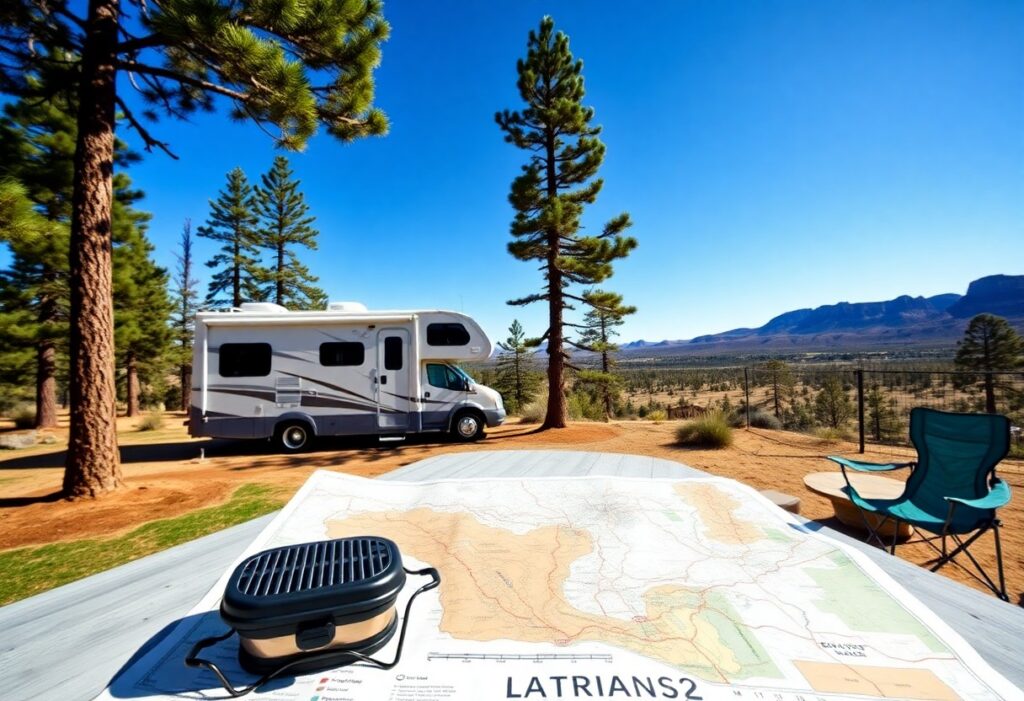
There’s a vast expanse of Bureau of Land Management (BLM) land perfect for off-grid RV boondocking, but finding the best spots requires strategizing. You need to consider factors like accessibility, legal regulations, and the proximity to amenities for a safe and enjoyable experience. Additionally, scouting areas with minimal environmental impact will help preserve these beautiful landscapes for others. By following these guidelines, you can ensure your next adventure into the wild is not only memorable but also responsible.
Key Takeaways:
- Research accessibility and road conditions to ensure your RV can reach the site.
- Prioritize locations with natural resources like water and shade for a more comfortable stay.
- Check for local regulations and restrictions regarding camping and stay limits on BLM land.
Understanding BLM Land
What is BLM Land?
BLM land refers to federal lands managed by the Bureau of Land Management, consisting of over 245 million acres across the United States. These lands are intended to be utilized for a variety of purposes, including recreation, grazing, and conservation. This diverse landscape offers everything from desert terrain to mountainous regions, providing numerous options for outdoor adventures such as hiking, fishing, and, notably, RV boondocking.
Benefits of Boondocking on BLM Land
Boondocking on BLM land allows you to enjoy the great outdoors while experiencing the freedom of camping without the constraints of traditional campgrounds. You can find scenic spots that offer a deeper connection with nature, often free of charge or at minimal costs. This means you can extend your trips and explore unique locations that may be off the typical tourist radar.
Moreover, many BLM areas permit uninterrupted stays for up to 14 days, allowing ample time to immerse yourself in the environment. You’ll have access to trails, wildlife, and breathtaking views, enhancing your adventure. The ability to camp away from crowds also means greater privacy and peace, which can be especially valuable during peak travel seasons. Additionally, this experience fosters a sense of community among like-minded adventurers, making it easier to share tips, insights, and camaraderie with fellow boondockers.
Factors to Consider When Choosing a Spot
Selecting the ideal BLM land spot for your off-grid RV boondocking experience requires careful consideration of several factors. Pay attention to these key elements:
- Accessibility: Ensure your RV can reach the location without difficulty.
- Weather: Check local conditions for safety and comfort.
- Proximity to Resources: Identify water sources and waste disposal options.
- Wildlife and Natural Features: Assess potential encounters and scenic views.
The choices you make impact your entire stay, so weigh these factors appropriately.
What Is Boondocking? Types, Tips & Where to Stay for Free
Accessibility
Your RV’s ability to access the chosen site can dramatically affect your experience. Look for well-maintained roads or paths that accommodate larger vehicles. Research campgrounds through maps and reviews, focusing on the suitability for RV boondocking.
Weather and Climate
Understanding the local weather patterns is crucial for a successful trip. Monitoring the forecast helps you prepare for extreme temperatures, including heatwaves or cold snaps. Cultivate awareness of flash flood risks in specific areas to ensure safety.
Seasonal changes greatly influence your boondocking experience. For instance, higher elevations may offer cooler temperatures in the summer, while lower areas could be subject to sweltering heat. Checking historical weather data can guide you on the best times to visit certain BLM lands, keeping your comfort and safety in mind.
Essential Tips for Successful Boondocking
To maximize your off-grid RV boondocking experience, follow these vital tips. Start by selecting a spot that offers adequate space and accessibility, ensuring your vehicle can easily maneuver. Utilize popular apps and websites to verify weather conditions and soil types, helping you avoid muddy or flooded areas. Pack out all trash and respect wildlife to maintain the pristine environment. Familiarize yourself with local regulations to stay compliant, and share your location with someone for safety. Knowing these key tips ensures a rewarding and trouble-free boondocking adventure. For more information, check this Dispersed Camping Guide: Find BLM Camping Near You.
Researching Locations
Researching your desired boondocking locations is vital for a successful trip. Use reputable resources like BLM maps and online forums to gather insights about popular spots and their amenities. Consider factors such as water access, distance from roads, and potential fire hazards when evaluating locations. These details significantly impact your overall experience and safety.
Essential Supplies and Gear
Equipping yourself with the right supplies is vital for a seamless boondocking experience. Key items include a reliable water filtration system, quality camping stove, and sufficient fuel for cooking. A portable solar panel can keep your electronics charged, while sturdy coolers can maintain fresh food supplies. Adequate first aid supplies and a well-stocked pantry can prevent uncomfortable situations. The right gear helps you meet your basic needs and enhances the overall experience, empowering you to relish your time outdoors.
In addition, consider investing in a GPS device for navigation and a quality battery bank to ensure your gadgets stay charged. A versatile camping chair provides comfort, while a comprehensive toolkit is vital for vehicle maintenance. Don’t forget a trusted fire-starting kit for warmth and cooking. Having these items on hand will enhance your comfort and make your boondocking adventure more enjoyable.
Evaluating Safety and Regulations
Evaluating the safety and regulatory guidelines of BLM land is vital for a successful boondocking experience. Ensure you familiarize yourself with local ordinances, including any restrictions on campfires, vehicle access, and the duration of stay. You can find detailed insights in the BLM Camping Guide for RVs: Best Sites, Rules & ….
Understanding Local Rules
Local rules can vary significantly across different BLM areas, impacting your boondocking plans. Check for guidelines regarding permit requirements, campfire regulations, and designated camping spots to avoid fines or legal issues. Each site may have unique restrictions that can enhance or hinder your experience.
Safety Precautions to Take
Prioritizing your safety is necessary when off-grid. Always inform someone of your itinerary, carry emergency supplies, and ensure your vehicle is equipped for rough terrains. Pay attention to weather conditions and wildlife warnings, and set up camp at least 200 feet away from water sources to minimize environmental impact.
In addition to informing others about your plans and carrying emergency supplies, invest in a good-quality first aid kit and familiarize yourself with its contents. Check the weather forecast diligently and prepare for sudden changes. For wildlife, understanding local species behaviors can keep you safe from unwanted encounters. Ensure your RV is equipped with proper tools and spare parts in case of mechanical failures, and consider carrying a GPS device as cell service may be unreliable in remote areas.
Choosing the Right Time to Visit
Timing your visit to BLM land can significantly enhance your off-grid RV boondocking experience. Consider the weather patterns and temperature fluctuations in the area you intend to visit, as summer heat can be punishing, while winter conditions may make access difficult. Spring and fall often provide the most pleasant climates for exploring, as well as stunning natural beauty.
Seasonal Considerations
Your choice of season affects not only comfort but also site accessibility and scenery. Summer may offer longer days but can subject you to extreme heat, whereas winter might restrict access due to snow, necessitating a 4WD vehicle. Spring and fall typically feature milder temperatures and vibrant wildlife activity, making for optimal outdoor experiences.
Avoiding Crowds
To find peace and solitude while boondocking, timing is key to avoiding crowded spots. Popular destinations tend to fill up quickly, especially during holiday weekends and vacation seasons. Plan your trips during shoulder seasons-late spring or early fall-to enjoy quieter conditions and easier access to prime locations.
Additionally, weekdays often present fewer crowds compared to weekends. If you’re flexible with your schedule, aim for trips during midweek when many recreational campers are home or at work. Staying off the beaten path and exploring lesser-known BLM areas can also lead to a more isolated experience, allowing you to truly connect with nature without the distractions of fellow RVers.
Preparing Your RV for Off-Grid Living
Before launching on your off-grid adventure, ensure your RV is fully equipped for self-sufficiency. This includes optimizing storage for supplies, enhancing insulation to withstand varying temperatures, and ensuring your vehicle is well-maintained mechanically. Check all systems, including your generator and solar panels, to avoid any unexpected issues that could disrupt your experience.
Power and Water Management
Effective power and water management is vital for off-grid living. Invest in a reliable solar power setup, ideally with at least 400 watts of solar panels to keep your batteries charged. Carry enough freshwater, typically around 10 gallons per person per day, and consider a portable filtration system for replenishing your water supply as needed.
Waste Disposal Solutions
Managing waste is important while off-grid to minimize your environmental impact. Use portable toilets designed for RV use and always adhere to local regulations for waste disposal. Carry biodegradable bags for trash and consider having a composting toilet if you plan to stay longer to reduce your waste volume.
Portable toilets often come with a holding tank that makes waste disposal straightforward; these can be emptied at designated dump stations. Some options, like cassette toilets, allow for easy transport of waste. Additionally, composting toilets can extend your off-grid stay significantly while reducing environmental impact. When using these systems, always check guidelines to ensure compliance with BLM regulations and local health codes, as failing to dispose of waste properly could result in penalties.
To wrap up
Drawing together all the insights on selecting the best BLM land spots for off-grid RV boondocking, you should focus on accessibility, proximity to your desired activities, and available amenities. Assessing the terrain and understanding local regulations will enhance your experience. Prioritize areas that offer solitude and stunning natural beauty, ensuring you find a spot that meets both your needs and preferences. By taking these factors into account, you can maximize your boondocking adventures and create memorable experiences in the great outdoors.