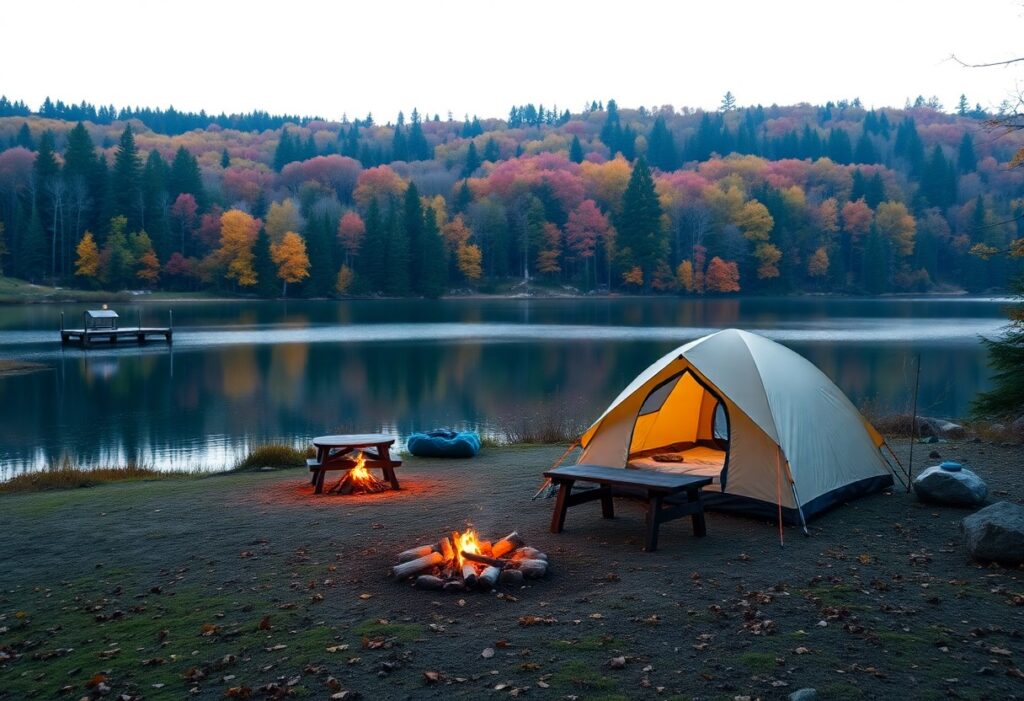
Offseason camping can provide you with a serene and rejuvenating experience away from the chaos of peak season crowds. You can take advantage of milder weather and enjoy nature’s beauty in peace while ensuring your safety by avoiding potential hazards like sudden weather changes. To maximize your escape, focus on choosing less popular spots, planning your gear meticulously, and being mindful of local regulations. With the right approach, your shoulder season adventure can be both rewarding and memorable.
Key Takeaways:
- Choose less popular destinations and visit on weekdays to avoid crowds.
- Book campsites in advance during shoulder seasons for better availability.
- Consider weather patterns and pack accordingly for a comfortable experience.
Understanding Shoulder Season
Shoulder season refers to the transitional periods just before and after the peak tourist seasons. Typically, this includes spring and fall, when the weather remains pleasant but the crowds have thinned. This time offers unique opportunities for tranquil experiences in nature, lower prices, and more personalized service in campsites and local attractions.
Definition and Benefits
In camping, the shoulder season allows you to enjoy outdoor settings without the hustle and bustle of peak times. Benefits include less competition for campsite reservations, favorable weather for hiking or exploring, and significant cost savings on camping gear and local services. Embracing this time can enhance your overall camping experience.
Factors to Consider
When planning your shoulder season camping trip, several factors can enhance your experience. Consider the weather patterns, as early spring might still bring unexpected cold spells, while fall could offer stunning foliage. Additionally, local events can impact availability and crowd levels. Pay attention to wildlife activity, as certain animals may be more active during these times, adding excitement to your trip. The
- weather patterns
- events
- wildlife activity
Understanding the specific conditions of your chosen destination is key. For example, early spring may yield unpredictable rain, affecting trail access and outdoor safety. Conversely, fall might coincide with harvest festivals that draw locals but still leave ample space for campers. Investigate local climate averages and event calendars to best align your plans. The
- climate averages
- event calendars
Choosing the Right Destination
Selecting the right camping destination is imperative for a peaceful escape during shoulder season. Opt for locations that are less popular but still offer beautiful scenery and recreational opportunities. Research state parks, national forests, and hidden gems where crowds are less likely to flock. For detailed insights on how to avoid crowds, check out How to Avoid Crowds and Find Solitude in the Outdoors.
Researching Less Crowded Locations
Exploring lesser-known areas not only helps you evade large crowds but also allows you to experience nature in a more intimate setting. Consider using local forums and social media groups dedicated to camping enthusiasts where you can discover recommendations and reviews for off-the-beaten-path sites that are perfect during shoulder season.
Evaluating Weather Conditions
Weather plays a significant role in your camping experience. Check forecasts for temperature, precipitation, and wind conditions before you head out. Colder temperatures can deter crowds, but you’ll want to ensure that it’s not too chilly or rainy for comfort. Pay attention to seasonal trends; for instance, autumn might bring cooler nights but stunning fall foliage, while spring can offer vibrant blooms yet unpredictable showers.
Gather weather data from reputable sources to ascertain the best times to camp. For example, average temperatures during early spring can range from 40°F to 70°F, a perfect balance for outdoor activities without the baggage of extreme heat or frost. Additionally, consider elevation-higher altitudes typically experience cooler temperatures, so plan accordingly for a comfortable experience. Always prepare for sudden weather changes; bringing layers and waterproof gear can enhance your comfort and enjoyment.
Planning Your Itinerary
Your itinerary should reflect both your interests and the unique aspects of your chosen location. Prioritize flexibility, allowing you to adapt to unexpected weather changes or new activities that catch your eye. Consider incorporating local events, like farmers’ markets or festivals, which often pop up during shoulder season, providing a chance to engage with the community and experience the area authentically.
Selecting Activities and Attractions
Focus on activities that align with your interests while keeping in mind that certain attractions may operate on limited schedules during shoulder season. Explore activities such as hiking, wildlife watching, and scenic drives, which often allow for a more intimate engagement with nature. Check local tourism websites for any special events or exhibits that might enhance your adventure.
Timing Your Visits
Strategic timing can make all the difference in maximizing your enjoyment of less crowded attractions and activities. Aim to visit popular sites early in the morning or later in the afternoon. Mid-week visits often provide a quieter experience, especially in popular areas that typically see weekend traffic.
For instance, if you’re heading to a national park, early mornings not only offer cooler temperatures ideal for hiking but also the chance to spot wildlife without competition from other visitors. Weekdays generally see lower foot traffic, making your experience more peaceful and immersive. Planning visits around less busy times, such as during weekdays or adopting a leisurely pace, allows you to truly connect with your surroundings and appreciate the beauty of nature without disruption.
Packing Essentials for Shoulder Season
Effective packing is vital for a successful shoulder season camping experience. Prioritize multifunctional gear that adapts to varying conditions, such as a lightweight tent that’s easy to set up and pack, a warm sleeping bag rated for cool temperatures, and a portable stove for quick meals. Additionally, don’t forget necessarys like utensils, a first aid kit, and a reliable headlamp, which ensure you are well-prepared for your trip.
Seasonal Gear and Supplies
Select gear tailored for transitional weather; insulated jackets, moisture-wicking layers, and waterproof gear are necessary. Sturdy footwear with good traction will prevent slips in wet conditions, while a versatile backpack keeps your supplies organized. Investing in a compact rain cover for your backpack can also keep your belongings dry during unexpected showers.
Preparing for Variable Weather
Anticipate fluctuating temperatures and shifting conditions by packing accordingly. Layering is key, allowing you to adjust as the day warms or cools. Include items like rain gear and be prepared for sudden temperature drops, especially in the evenings. Always check weather forecasts leading up to your trip to select the right gear.
Be proactive about weather preparation; it can make or break your camping experience. For instance, layering allows you to quickly adapt to daytime warmth or evening chill, while a packable down jacket provides necessary warmth without bulk. A lightweight, breathable waterproof shell will safeguard you against unexpected rain and wind. Additionally, keep thermal blankets and hand warmers accessible in case of an unpredicted drop in temperature. By anticipating and preparing for diverse weather scenarios, you can enjoy your camping trip comfortably, regardless of what nature brings.
Tips for Securing Campsites
To enhance your camping experience, securing a spot can make all the difference. Start early by researching campsite availability and opting for lesser-known locations to beat the crowds. Use online tools and apps to monitor reservations and snag last-minute openings. Always check cancellation policies for flexibility. Visiting parks during weekdays can significantly improve your chances of finding less crowded sites. Thou should consider studying resources like How to Experience National Parks during the Shoulder ….
Booking Strategies
Effective booking strategies can be the key to securing your ideal campsite. Utilize the official park websites and reservation systems for accurate information regarding availability and peak booking times. Aim to book at least two to three months in advance during popular shoulder seasons, while targeting less frequented parks can allow for shorter booking timelines. Explore group camping options if you’re traveling with friends or family, as many sites offer discounts for larger numbers.
Exploring Alternative Camping Options
Consider alternative camping options that provide unique experiences away from the usual crowded parks. Options like backcountry camping, dispersed camping on public lands, or private campground rentals can offer serene settings and fewer campers. Each alternative comes with its own set of regulations and potential permits, so always research ahead for a smooth experience.
Exploring alternative camping options can lead to memorable adventures outside conventional sites. Many national forests and Bureau of Land Management areas provide opportunities for free or low-cost camping, often requiring minimal setup. Popular activities like hiking, fishing, and wildlife watching are abundant in these less-traveled regions, allowing you to immerse yourself in nature fully. You can also find unique stays on platforms like Airbnb or Hipcamp, giving you access to private land, which can provide a more secluded atmosphere. Embrace the adventure, and seek out spots that resonate with your personal camping style.
Enjoying the Experience
In the quieter months, you can fully immerse yourself in the serenity and beauty of your surroundings. Take the time to hike, fish, or simply sit by the campfire under a star-filled sky. For insights on how to maximize your experience, check out the Off Season Camping Guide for Weekend Explorers. These peaceful moments allow for a deeper connection with nature and yourself, making each trip memorable.
Embracing Solitude and Nature
Finding solitude in nature can be profoundly rejuvenating. During shoulder season, trails and campsites are often less crowded, providing you with an intimate experience. Whether you’re listening to the rustling leaves or watching wildlife, quiet moments help you reconnect with the environment. Consider early morning hikes or sunset viewings for a unique perspective, away from the hustle of peak season visitors.
Engaging with Local Culture
Exploring local culture enhances your camping experience significantly. In shoulder season, communities are more relaxed, allowing you to interact with artisans, farmers, and locals who share their traditions with less tourist traffic. Participate in local festivals or visit artisan markets, where you can learn about regional crafts and taste authentic cuisine unique to the area.
For instance, small towns often host autumn harvest festivals that showcase local produce, crafts, and music. These events provide a rich tapestry of experiences, from farmers’ markets spotlighting seasonal flavors to workshops where you can learn traditional skills such as pottery or weaving. Engaging with locals not only enriches your trip but also supports the community, fostering relationships that may lead to future visits.
Conclusion
Upon reflecting on your upcoming shoulder season camping escape, prioritizing flexibility in your plans allows for a more enjoyable experience. Embrace lesser-known locations, adjust your timeline to avoid peak weekends, and take advantage of cooler weather. Your preparation should include appropriate gear and activities that suit the season, enhancing your trip free from crowds. With a well-thought-out strategy, you can immerse yourself in nature’s beauty while savoring the tranquility that this unique time offers.